Many believe disconnecting your car battery extends its lifespan or clears electronics issues, but these are myths. Disconnecting, especially the negative terminal, can sometimes cause more harm or reset settings unintentionally. Proper maintenance, regular checks, and correct charging are far more effective for battery health. If you want to understand what disconnecting actually does—and what it doesn’t—you’ll find the truth behind these common misconceptions below.
Open a free Amazon Business account
Business pricing, bulk buying and tax-exempt orders.
As an affiliate, we earn on qualifying purchases.
Key Takeaways
- Disconnecting the battery does not reset vehicle electronics or fix electrical issues; it’s mainly a safety step.
- Proper maintenance, like terminal cleaning and regular checks, is more effective for battery longevity than disconnecting.
- Disconnecting the negative terminal first reduces sparks but can still risk damage if not done correctly.
- Battery disconnection is not a substitute for proper charging and care practices; it doesn’t prevent aging or wear.
- Frequent disconnecting can cause more harm than good, so focus on maintenance and correct charging methods instead.
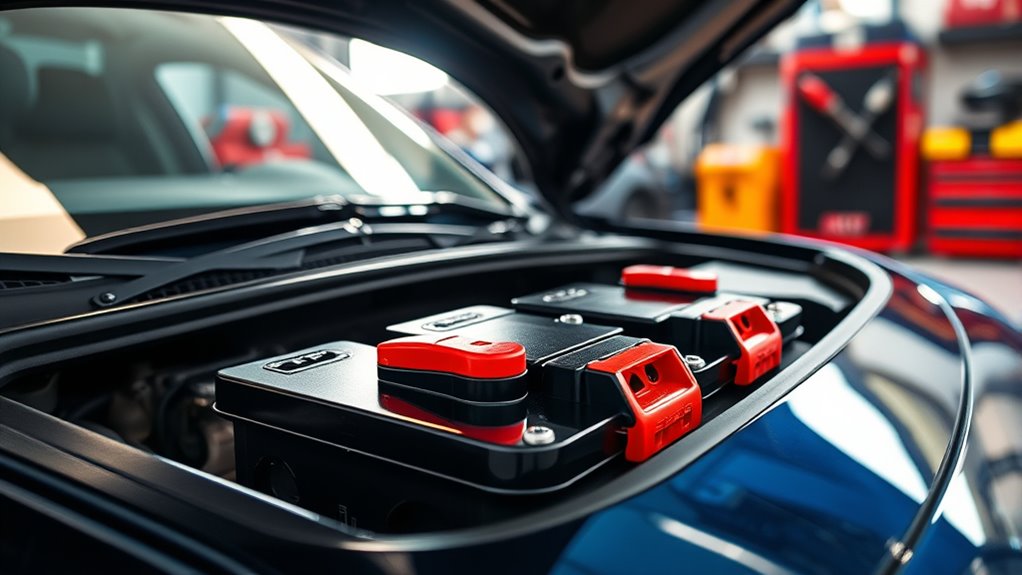
Have you ever wondered if everything you’ve heard about car batteries is true? There’s a lot of misinformation out there, especially when it comes to what affects your battery’s health. One common myth is that disconnecting your car battery is a good way to preserve its life or reset your vehicle’s electronics. But that’s not entirely accurate. If you want your battery to last longer and perform reliably, understanding proper battery maintenance is key. Regular checks, cleaning terminals, and ensuring your charging techniques are correct can make a significant difference. Disconnecting the battery isn’t a magic fix; in fact, it can sometimes cause more harm than good if not done properly.
Many people believe that disconnecting the negative terminal is a safe way to prevent battery drain or to work on the vehicle without risking electrical shorts. While it’s true that disconnecting can help prevent accidental shorts, it’s not a substitute for good battery maintenance. If you’re thinking about disconnecting your battery, always follow the proper procedure. Turn off the engine, remove the key, and then disconnect the negative terminal first to minimize the risk of sparks or shorts. When reconnecting, do so in the reverse order. This careful approach helps protect your vehicle’s electrical system and prolongs battery life.
Charging techniques are equally important. A common mistake is using a low-quality or incompatible charger, which can damage your battery or reduce its lifespan. To maximize your battery’s performance, use a charger designed for your specific battery type, and follow the manufacturer’s instructions closely. Overcharging or undercharging can accelerate battery wear, so a proper charging technique is essential. It’s also smart to keep an eye on your battery’s voltage and electrolyte levels if applicable. These simple checks are part of good battery maintenance, ensuring that your battery stays in good condition and avoids unexpected failures.
In reality, the best way to care for your car battery is to stay proactive. Regularly inspect and clean your battery terminals, ensure your charging system is functioning correctly, and avoid unnecessary disconnects. Remember, disconnecting your battery isn’t a cure-all; it’s just a small part of overall battery maintenance. When you follow proper charging techniques and keep your battery in good shape, you’ll reduce the chances of breakdowns and extend its lifespan. Proper battery maintenance and correct charging are your best bets for a reliable, long-lasting car battery. So next time someone suggests disconnecting your battery as a quick fix, think twice—proper maintenance and correct charging are your best bets for a reliable, long-lasting car battery.
As an affiliate, we earn on qualifying purchases.
Frequently Asked Questions
Can Disconnecting the Battery Reset All Car Electronics?
Yes, disconnecting the battery can reset your car’s electronics and perform a battery reset. When you disconnect the battery, it cuts power to the vehicle’s electronic systems, causing an electronic reboot. This process can clear minor glitches or reset settings like the clock or radio presets. However, it won’t fix deeper electrical issues. Make sure you follow proper safety procedures when disconnecting your battery to avoid damage or injury.
Will Disconnecting the Battery Fix a Dead or Weak Battery?
Disconnecting the battery won’t fix a dead or weak battery. If you’re troubleshooting your battery, it’s usually a sign it needs replacement or professional testing. Disconnecting can temporarily reset your car’s electrical system, but it doesn’t recharge or repair the battery itself. For a true fix, you should have your battery tested and replaced if necessary. Relying solely on disconnecting won’t solve underlying battery issues or restore power.
Does Disconnecting the Battery Prevent Theft or Tampering?
Yes, disconnecting your car battery can enhance vehicle security and aid in theft prevention. When you remove the battery, it becomes harder for thieves to start or hotwire your vehicle, deterring theft attempts. However, it’s not foolproof, as determined thieves may still find ways to bypass this method. For better theft prevention, consider additional security measures like steering wheel locks or alarm systems alongside disconnecting your battery.
How Long Should I Leave the Battery Disconnected to Reset Systems?
You only need to disconnect your battery for about 15-30 minutes to perform an electrical reset. Ironically, if you’re hoping to prevent battery drain or reset systems, disconnecting longer won’t necessarily help — modern cars store memories in the ECU, not the battery. So, leaving it disconnected too long might cause more inconvenience than benefit. Just a short break, and you’ll be set without risking your vehicle’s electronics.
Are There Risks of Damaging the Car’s Computer by Disconnecting the Battery?
Yes, disconnecting your car’s battery can risk damaging the computer systems if not done carefully. Sudden disconnects might cause electronic damage or corrupt your vehicle’s settings. To minimize risks, disconnect the negative terminal first and avoid touching other metal parts. If you’re unsure, consult your vehicle’s manual or a professional. Properly disconnecting helps protect your computer systems and prevents potential electronic damage.
As an affiliate, we earn on qualifying purchases.
Conclusion
Now that you know disconnecting your car battery doesn’t reset your vehicle’s computer, you can avoid unnecessary actions. Surprisingly, according to automotive experts, only about 10% of drivers understand how their car’s electrical system truly works. By debunking myths, you’ll save time and money, ensuring your battery stays in good shape. Remember, proper maintenance and expert advice are your best tools for a reliable ride. Stay informed, and your car will thank you.
As an affiliate, we earn on qualifying purchases.
As an affiliate, we earn on qualifying purchases.
Flea & tick season Picks
flea and tick prevention
As an affiliate, we earn on qualifying purchases.