
Limp mode is your vehicle’s safety feature that activates when it detects a problem, limiting engine power to prevent damage. It slows down acceleration, reduces turbo boost, and brings warning lights on your dashboard. Modern tech, like diagnostic codes and scanners, helps identify the cause quickly, so you can get back on the road safely. If you want to understand how to troubleshoot or reset it, keep exploring these tools and tips.

Get business pricing on garage and car supplies
- Business-only prices and quantity discounts
- Tax-exempt purchasing
- Multiple users, one account, clear invoices
Key Takeaways
- Limp mode activates to protect the engine when a fault is detected, limiting power and response for safe driving home.
- Diagnostic trouble codes help identify the specific issue causing limp mode, guiding efficient repairs.
- Modern onboard diagnostics and scanner tools enable quick reading and clearing of codes, restoring normal operation after repairs.
- Symptoms include reduced throttle response, lower RPMs, and warning lights like the check engine light, indicating limp mode activation.
- Using technology ensures prompt diagnosis and repair, helping you reach safety without risking further engine damage.

When your vehicle switches to limp mode, it’s a clear sign that something’s wrong and your car is protecting itself from further damage. This safety feature kicks in when the onboard computer detects a problem that could harm the engine or other essential components. As a driver, you might notice a sudden drop in engine performance, limited acceleration, or a sluggish throttle response. These symptoms are your clues that the car has entered limp mode, designed to keep you moving just enough to reach a safe location or repair shop.
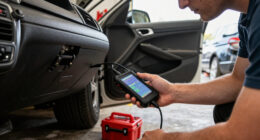
Understanding the role of diagnostic codes is critical here. When the car detects an issue, it stores specific codes that pinpoint what triggered limp mode. These diagnostic codes are like digital breadcrumbs, guiding mechanics to the root of the problem. They can relate to various engine systems—fuel delivery, sensors, ignition, or emissions controls. By reading these codes with a scanner, technicians can quickly identify whether the issue stems from a faulty sensor, a clogged fuel filter, or an ignition problem. Without the correct diagnostic codes, diagnosing the problem would be like searching for a needle in a haystack.
Diagnostic codes reveal the root cause of limp mode, guiding repairs for engine sensors, fuel filters, or ignition issues.
Engine performance takes a hit when the vehicle switches to limp mode. The system intentionally restricts power to prevent further damage, which means you won’t get the full force of your engine. Instead, it operates within a limited range, often reducing throttle response, cutting back on turbo boost, or limiting RPMs. This mode isn’t meant to be a long-term solution but a protective measure. It’s essential to treat it as a warning sign rather than just an inconvenience. Ignoring limp mode can lead to more severe damage and expensive repairs down the line.
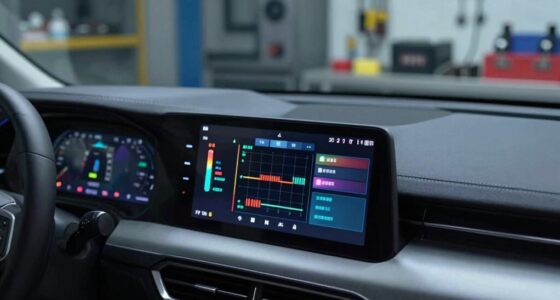
Fortunately, modern automotive diagnostics have made it easier to address these issues. Many vehicles now feature advanced onboard diagnostic systems that alert you with dashboard warning lights, such as the check engine light, and provide access to diagnostic trouble codes through compatible scanners. These tools enable you or a mechanic to quickly pinpoint the problem, understand the severity, and decide on the best course of action. Sometimes, a simple reset of the system after fixing the issue clears the fault, and your vehicle returns to normal operation. Other times, more in-depth repairs are necessary.
In any case, recognizing what limp mode signals and understanding diagnostic codes empower you to respond promptly. Whether you’re a seasoned car enthusiast or a casual driver, knowing that engine performance is compromised and how diagnostic codes help identify the problem is essential. It guarantees you don’t just drive through limp mode blindly but instead approach repairs with confidence, helping you get back on the road safely and swiftly.
Additionally, understanding how engine safety features work can help you prevent damage and maintain your vehicle’s longevity.
OBD2 diagnostic scanner for cars
As an affiliate, we earn on qualifying purchases.
As an affiliate, we earn on qualifying purchases.
Frequently Asked Questions
Can Limp Mode Cause Permanent Vehicle Damage?
Limp mode can cause permanent vehicle damage if ignored, especially if a vehicle sensor triggers the engine warning. When your car enters limp mode, it’s protecting itself, but delaying repairs can lead to further issues like engine damage or transmission problems. Always get your vehicle checked out promptly, as ignoring the warning might mean costly repairs later. Addressing the root cause keeps your car safe and running smoothly.
How Do I Reset Limp Mode Myself?
You can try resetting limp mode yourself using diagnostic tools and reset procedures. First, connect an OBD-II scanner to your vehicle’s diagnostic port. Turn on the ignition without starting the engine, and scan for trouble codes. Clear the codes with the scanner, then turn off the ignition, wait a few minutes, and restart your car. If limp mode persists, it’s best to consult a mechanic, as further diagnosis may be needed.
Does Limp Mode Affect Fuel Efficiency?
Limp mode is like a safety net, so it can slightly impact your fuel efficiency. When your vehicle enters limp mode, it limits power, which may cause you to drive more cautiously or aggressively, affecting fuel economy. Poor driving habits, like sudden accelerations and hard stops, worsen this. To optimize fuel efficiency, avoid limp mode triggers and maintain smooth driving habits, ensuring your vehicle runs efficiently even in reduced-power situations.
Will Ignoring Limp Mode Lead to Costly Repairs?
Ignoring limp mode can lead to costly repairs because the underlying issue worsens over time. Without using diagnostic tools to identify the problem early, repair costs may skyrocket, and you risk further damage to your vehicle. It’s smart to address limp mode promptly, so you avoid bigger expenses down the line. Regular maintenance and early diagnostics ensure your car stays reliable and saves you money in the long run.
Are There Specific Car Models More Prone to Limp Mode?
Imagine a car whispering warnings—some models are more prone to limp mode due to manufacturer issues and model vulnerabilities. Vehicles from certain brands or years often encounter this issue more frequently, like a fragile glass that shatters easily. You might notice that popular models with complex electronics or known recalls are at higher risk. Staying informed about these vulnerabilities helps you avoid surprises and keeps your journey smooth and safe.
As an affiliate, we earn on qualifying purchases.
Conclusion
Think of limp mode as your car’s silent guardian, a cautious whisper urging you to pause before danger strikes. It’s not just a safeguard but a symbol of resilience—your vehicle’s way of saying, “Slow down, fix me, and keep moving forward.” Embrace the tech helping you navigate these moments, turning potential setbacks into opportunities for care and connection. Trust in this quiet defense, and you’ll find your way home, no matter how rough the road.
As an affiliate, we earn on qualifying purchases.
automotive diagnostic code scanner
As an affiliate, we earn on qualifying purchases.
As an affiliate, we earn on qualifying purchases.
Halloween Picks
halloween
As an affiliate, we earn on qualifying purchases.