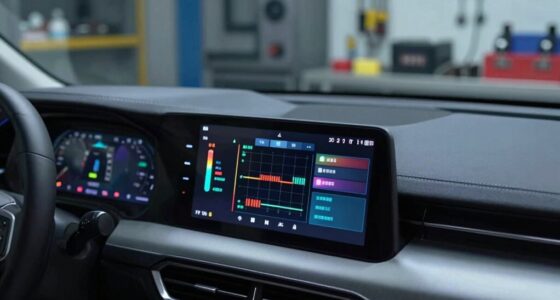

Understanding basic diagnostic trouble codes helps you spot vehicle problems early, saving you money and preventing accidents. When you recognize warning signs, you can take action before issues worsen, reducing repair costs and avoiding breakdowns. It also improves communication with mechanics, ensuring accurate fixes. Knowing these codes helps you maintain your vehicle better and prolong its lifespan. Keep exploring to uncover how mastering these codes can make your driving experience safer and more cost-effective.

Get business pricing on garage and car supplies
- Business-only prices and quantity discounts
- Tax-exempt purchasing
- Multiple users, one account, clear invoices
Key Takeaways
- Empowers drivers to identify and address vehicle issues early, preventing more serious problems.
- Enhances communication with mechanics for accurate and efficient repairs.
- Reduces unnecessary repair costs by identifying minor issues before they escalate.
- Improves overall vehicle safety and performance through proactive maintenance.
- Extends vehicle lifespan by catching problems early and maintaining optimal system health.

Understanding basic diagnostic trouble codes (DTCs) can empower you as a driver to identify and respond to vehicle issues more effectively. When you have a grasp of what these codes mean, you can take proactive steps to address problems before they worsen. This knowledge enhances vehicle safety because it allows you to recognize signs of trouble early, potentially preventing accidents caused by mechanical failures. Instead of waiting for a warning light to blink or a strange noise to escalate, you can interpret the codes sent by your vehicle’s onboard computer and determine whether immediate action is necessary. This proactive approach keeps you in control and reduces the risk of unexpected breakdowns on the road. Additionally, understanding diagnostic trouble codes can help you stay informed about your vehicle’s health and maintenance needs. Recognizing early signs of issues can further aid in timely interventions, ensuring your vehicle remains reliable. Being familiar with vehicle diagnostics** can also help you better communicate with mechanics, leading to more accurate repairs. Knowing how to read and understand these codes is also a crucial part of preventative maintenance**, which can extend the lifespan of your vehicle.
Understanding DTCs helps you identify issues early, enhancing safety and preventing costly repairs.
By familiarizing yourself with these codes, you can better understand the vehicle’s system performance, enabling more accurate diagnostics and repairs. Learning to understand DTCs can also substantially reduce your maintenance costs. When you know what a code indicates, you can decide whether a simple fix will resolve the issue or if professional help is needed. This prevents unnecessary trips to the mechanic for minor problems, saving you time and money. Additionally, catching issues early often means less invasive repairs, which tend to be less expensive. For example, addressing a small emission system fault indicated by a code early on can prevent more extensive engine damage later, which would require costly repairs. Over time, understanding these codes can help you maintain your vehicle more efficiently, keeping it running smoothly and extending its lifespan.
Products Worth Considering
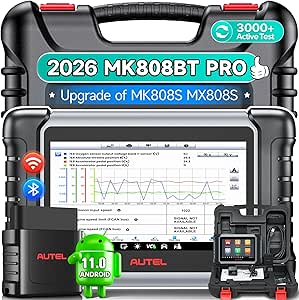
Autel MaxiCOM MK808BT PRO Bidirectional OBD2 Diagnostic Scanner

Autel MaxiCheck MX808S Bidirectional OBD2 Diagnostic Scanner

Autel MaxiCOM MK900BT Bidirectional Diagnostic Scanner
As an affiliate, we earn on qualifying purchases.
Frequently Asked Questions
How Do I Reset a DTC After Repairs?
To reset a DTC after repairs, you need an OBD II scanner. Connect the scanner to your vehicle’s port, turn on the ignition, and follow the Reset procedures outlined in your scanner’s instructions. Usually, you’ll select the “Clear Fault Codes” option. Once done, the scanner erases the DTCs and resets the system, helping you confirm that the repairs were successful and the check engine light stays off.
Can I Diagnose All Car Issues With DTCS Alone?
You can’t diagnose all car issues with DTCs alone because they primarily identify sensor malfunctions and battery issues. While they give you clues about problems, DTCs don’t cover every possible cause, like mechanical wear or fluid leaks. To get a full picture, you need to combine DTC readings with your vehicle’s symptoms, visual inspections, and sometimes professional diagnostics. This approach guarantees you accurately identify and fix the root problems.
Are DTCS the Same Across All Vehicle Brands?
No, DTCs aren’t the same across all vehicle brands. Different brands often use brand-specific diagnostics, meaning their codes can vary. However, some codes have universal compatibility, helping you identify common issues across vehicles. Understanding these differences is vital because relying solely on generic scan tools may not give you a complete picture. Recognizing brand-specific diagnostics ensures you interpret trouble codes accurately and address vehicle problems effectively.
What Should I Do if My DTC Code Is Unclear?
If your DTC code is unclear, don’t panic—about 30% of codes are tricky to interpret. First, check for sensor malfunction signs that might cloud the code’s meaning. Then, consult your vehicle’s manual or use a reputable code interpretation tool online. If still unsure, take your car to a mechanic who can accurately diagnose and resolve the issue. Clear codes lead to better vehicle performance and safety.
How Often Should I Check for DTCS?
You should check for DTCs regularly, especially if you notice warning lights or sensor calibration issues. Typically, it’s wise to scan your vehicle every few months or if a warning light appears, to understand warning light meanings and catch problems early. Frequent checks help you interpret sensor calibration errors or other issues before they become costly repairs. Staying proactive guarantees your vehicle runs smoothly and keeps you safe on the road.
Conclusion
Getting to grips with basic diagnostic trouble codes isn’t just clever—it’s essential. By decoding these cues, you empower your engine’s essence, ensuring safer, smoother, and smarter drives. Don’t delay; delve into diagnostics, decipher distress signals, and defend your vehicle’s importance. With knowledge in hand, you’re not just a driver—you’re a dedicated defender of your ride’s reliability and your road-ready confidence. Embrace understanding, elevate experience, and enjoy every journey with joy and judgment!