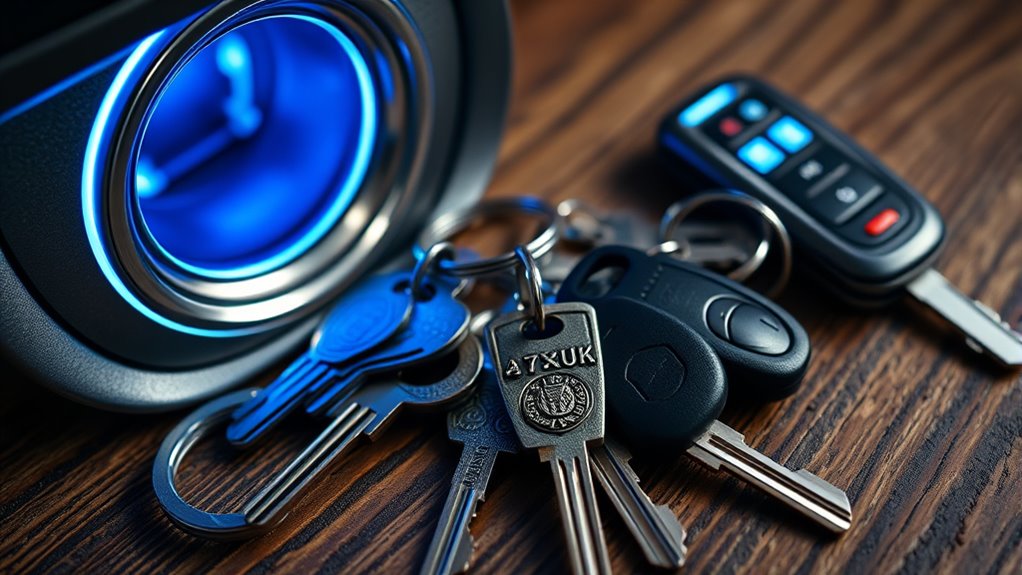

With the rise of keyless theft, you might find traditional keys and physical security measures safer. Thieves now use advanced hacking methods like relay attacks to open and start vehicles remotely, often without forcing entry. These electronic systems are vulnerable, but mechanical locks and steering wheel locks are much harder to bypass. If you stay alert and combine old-school security with modern tech, you can better protect your vehicle from theft. Keep going to discover how to strengthen your security further.

Get business pricing on garage and car supplies
- Business-only prices and quantity discounts
- Tax-exempt purchasing
- Multiple users, one account, clear invoices
Key Takeaways
- Keyless systems are vulnerable to relay attacks that can unlock and start vehicles without physical keys.
- Thieves exploit signal amplification technology, enabling theft even when keys are inside the owner’s home.
- Traditional keys and mechanical locks are less susceptible to hacking and require physical effort to bypass.
- Physical security measures like steering wheel locks serve as effective barriers that electronic systems can’t easily defeat.
- Combining old-school keys with modern security features offers a more robust defense against vehicle theft.

Keyless theft has become an increasingly common method for car thieves to steal vehicles without forcing entry. Instead of smashing windows or picking locks, they exploit keyless vulnerabilities—flaws in the technology that allows your car to be *unlocked* and started with a remote or smartphone. These vulnerabilities expose a significant weakness in many modern vehicles, making traditional security measures seem more reliable in comparison. While keyless systems offer convenience, they’re not immune to sophisticated hacking techniques, such as relay attacks, where thieves amplify signals between your key fob and vehicle from a distance. This means that even if your keys are inside your house, your car could still be vulnerable.
Many car owners underestimate the risks associated with keyless entry systems, believing their vehicles are secure because they lack the physical lock and key. Unfortunately, the convenience of keyless technology can lull owners into a false sense of security. Thieves have become adept at exploiting these systems, and their methods are constantly evolving. For example, relay devices can pick up signals from your key fob and transmit them to the vehicle, tricking it into thinking the key is nearby. This allows the thief to *disengage* and start your car quickly and quietly. These vulnerabilities highlight a stark contrast to traditional security methods, which relied on physical barriers like locks and immobilizers that are harder to bypass without force or significant technical skill.
Many owners underestimate keyless system risks, relying on traditional locks for better security.
If you’re concerned about keyless vulnerabilities, you might find comfort in the relative simplicity of traditional security measures. Using a mechanical lock or steering wheel lock creates a physical obstacle that’s difficult for thieves to overcome. Even if they manage to bypass electronic security, they still face the challenge of breaking into a vehicle secured by physical measures. Many experts argue that sticking to old-school keys and locks can sometimes be safer than relying solely on electronic systems that can be hacked. While they might seem less convenient, they provide a level of security that’s straightforward and less prone to technological exploits.
Ultimately, the rise of keyless theft serves as a reminder that technological advancements aren’t foolproof. As car manufacturers develop sophisticated systems for convenience, thieves develop equally advanced ways to bypass them. To mitigate these risks, some manufacturers are integrating innovative security features into their vehicles. If you want to protect your vehicle, consider balancing modern features with traditional security methods. Combining both can give you peace of mind, knowing that your car isn’t just protected by electronic systems that can be compromised but also by physical barriers that require more effort to breach. Being aware of keyless vulnerabilities and understanding the limitations of traditional security can help you make smarter choices in safeguarding your vehicle.
As an affiliate, we earn on qualifying purchases.
Frequently Asked Questions
How Can I Detect if My Keyless Entry System Has Been Hacked?
You can detect if your keyless entry system has been hacked by watching for signs of signal interference, like your car unlocking unexpectedly or not responding normally. Use device detection tools to scan for nearby signals or suspicious devices that could be communicating with your key fob. If you notice anything unusual, reset your system and consider changing your key fob’s batteries or reprogramming it for added security.
Are Traditional Keys More Secure Than Electronic Keyless Systems?
Traditional keys often offer better physical security because they’re less vulnerable to hacking. While electronic keyless systems provide convenience, they rely on digital signals, which can be intercepted or manipulated if you’re unaware of potential threats. If you stay alert and understand how your system works, you can reduce risks. But overall, old-school keys are simpler, making them inherently safer against cyber threats and requiring less user awareness.
What Legal Measures Exist Against Keyless Car Theft?
Legal regulations and security standards aim to combat keyless car theft by enforcing stricter vehicle security requirements. Many countries require manufacturers to implement advanced immobilizers and encryption technology, making theft more difficult. Some regions also penalize hacking or circumventing electronic systems. You should stay informed about local laws and guarantee your vehicle complies with current security standards, reducing the risk of theft and helping authorities crack down on offenders.
Can Keyless Theft Be Prevented With Aftermarket Security Devices?
Yes, aftermarket security devices can help prevent keyless theft. You might consider installing systems that use two-factor authentication or biometric security, making it much harder for thieves to access your vehicle. While no method is foolproof, combining these advanced protections creates a stronger barrier against theft. Regularly updating your security system and staying informed about new threats can further reduce your risk of falling victim to keyless car theft.
How Has Police Technology Adapted to Combat Keyless Vehicle Theft?
Police have adapted by employing advanced technology like biometric authentication and encryption protocols to combat keyless vehicle theft. They use these tools to track signals, analyze hacking methods, and identify stolen vehicles more effectively. By staying ahead of thieves’ tactics, law enforcement can intercept illegal access, improve response times, and develop smarter strategies to prevent theft, making it harder for criminals to exploit vulnerabilities in keyless systems.
As an affiliate, we earn on qualifying purchases.
Conclusion
While keyless systems seem modern and convenient, they can actually make your vehicle more vulnerable. Did you know that car thefts involving relay devices increased by over 300% between 2019 and 2022? That staggering rise highlights how hackers exploit these systems. Sometimes, sticking with traditional keys offers a simple, effective way to keep your car safer. So, consider weighing the convenience against the real security risks before relying solely on keyless technology.
As an affiliate, we earn on qualifying purchases.
As an affiliate, we earn on qualifying purchases.
Halloween Picks
halloween
As an affiliate, we earn on qualifying purchases.