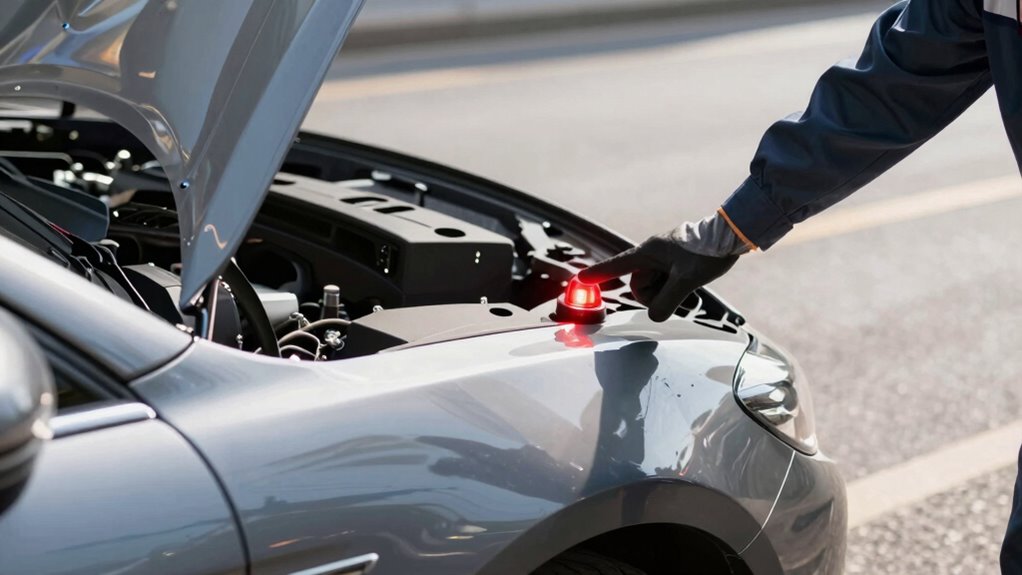

If you notice strange noises, warning lights, fluid leaks, or vibrations, it’s a sign of an urgent problem you should address immediately. Less severe issues, like a loose gas cap or car pulling to one side, can usually wait until your next scheduled maintenance. Pay close attention to how your vehicle responds and trust your instincts—if something feels off, it’s better to be cautious. Keep going for more tips on safely handling car problems.
Key Takeaways
- Listen for strange noises like squealing or grinding, indicating immediate brake or engine issues.
- Watch for warning lights on the dashboard that do not turn off quickly.
- Notice if the vehicle overheats, loses power, or vibrates excessively during driving.
- Check for fluid leaks, unusual smells, or poor handling that may signal urgent repairs.
- Address minor issues early, such as warning lights or uneven tire wear, with scheduled maintenance.
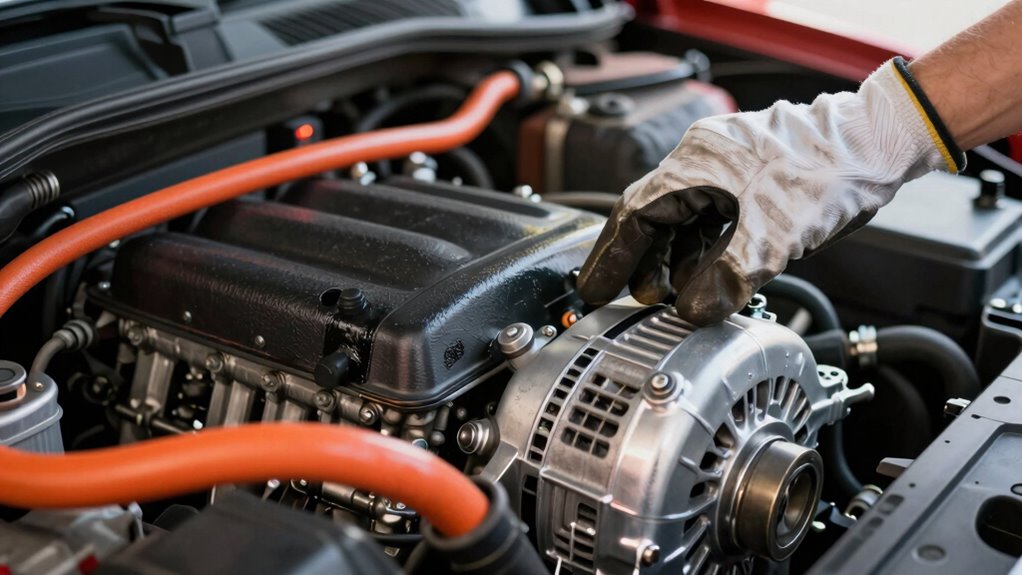
When your car starts acting up, knowing whether the issue is urgent or can wait can save you time, money, and potentially prevent accidents. Recognizing warning signs early is key to avoiding costly repairs or dangerous breakdowns. If you notice strange noises, warning signs like squealing brakes or grinding sounds, don’t ignore them. These could indicate brake problems that need immediate attention. Similarly, if your engine overheats or there’s a sudden loss of power, treat these as urgent issues. These signs can signal serious underlying problems that, if left unaddressed, could lead to breakdowns or engine damage.
On the other hand, some problems are less immediate and can be managed with proper maintenance tips. For example, if your check engine light comes on but your car drives smoothly, it might be a minor issue like a loose gas cap or a sensor problem. In such cases, scheduling a maintenance appointment soon can prevent the problem from worsening. Regularly checking tire pressure, fluid levels, and brake pads helps you stay ahead of potential issues. If your car feels uneven or pulls to one side while driving, it’s wise to get the alignment checked soon, but it might not be an emergency unless accompanied by other warning signs.
Pay attention to your dashboard and how your car responds. Sensing vibrations, odd smells, or poor acceleration are signs that you should take your car to a mechanic promptly. Conversely, if your car makes a weird noise but still drives fine, it can likely wait until your next scheduled maintenance, especially if there are no other symptoms. When unsure, it’s better to err on the side of caution. Many minor issues can escalate if ignored, turning into expensive repairs or unsafe driving conditions. Additionally, understanding the importance of contrast ratio can help you recognize when your vehicle’s display or warning systems are functioning correctly, ensuring you don’t miss critical alerts. Being aware of how your car’s warning systems operate helps you respond appropriately to different alerts and reduces the risk of overlooking urgent issues.
Furthermore, maintaining your vehicle with the right oil and regularly inspecting critical components can prevent many urgent problems from occurring unexpectedly. The regular use of glycolic acid products in skincare routines demonstrates how consistent maintenance can lead to better long-term results, much like regular vehicle check-ups. Staying informed about your vehicle’s warning signs allows you to differentiate between minor inconveniences and serious problems that require immediate attention. Ultimately, understanding the warning signs of urgent problems versus minor issues takes practice. Look out for fluid leaks, warning lights, unusual sounds, or changes in handling. Regular maintenance tips, like keeping up with oil changes and tire rotations, help you catch problems early. When in doubt, consulting a trusted mechanic can give you peace of mind. Remember, addressing small problems before they turn into bigger ones not only saves money but also keeps you safe on the road. Being attentive and proactive is your best strategy to tell whether a car problem is urgent or can wait.
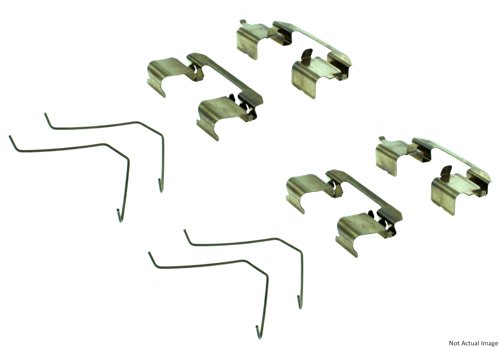
Centric Parts 117.40022 Brake Disc Hardware
Package Dimensions: 17.78 L x 10.16 W x 1.016 H (centimetres)
As an affiliate, we earn on qualifying purchases.
As an affiliate, we earn on qualifying purchases.
Frequently Asked Questions
Can I Drive My Car With a Flashing Check Engine Light?
You shouldn’t drive your car with a flashing check engine light. It often indicates serious issues like engine overheating or transmission slipping, which can cause further damage if ignored. Continuing to drive might lead to costly repairs or breakdowns. Instead, pull over safely, check for obvious problems, and have your vehicle inspected by a mechanic promptly to prevent worsening the situation.
What Signs Indicate Brake System Failure?
If your brake system shows signs of failure, you’ll notice a soft or spongy brake pedal, squealing noises, or a burning smell. A warning light may also appear. Check the brake pad wear and brake fluid levels; low brake fluid or worn brake pads can cause poor braking. Don’t dismiss these signs, as brake system failure can be dangerous, requiring immediate attention to guarantee safety.
How Long Can I Ignore a Leaking Fluid?
You shouldn’t ignore a fluid leak, regardless of leak severity. Even small leaks can worsen or cause damage over time, so address them promptly. Fluid leaks could indicate issues with your oil, coolant, or transmission fluid, which are crucial for your car’s operation. If you notice a leak, check the fluid type and level, then get it inspected by a mechanic quickly to prevent costly repairs or breakdowns.
Is It Safe to Drive With a Worn-Out Tire?
Driving with a worn-out tire isn’t the safest choice. You risk losing control, especially if the tire has low tire pressure or significant tread wear. These issues compromise grip and handling, making your drive hazardous. It’s best to replace or repair the tire promptly. Keeping your tires in good shape guarantees better safety, fuel efficiency, and performance. Don’t wait—your safety depends on it.
When Should I Replace My Car’s Timing Belt?
You should replace your car’s timing belt according to the manufacturer’s recommended replacement schedule, usually between 60,000 and 100,000 miles. Don’t wait until it breaks, as that can cause severe engine damage. Regularly check your owner’s manual for specific guidance, and have a mechanic inspect it during routine maintenance. Replacing the timing belt on time keeps your engine running smoothly and prevents costly repairs.

Car Dashboard Warning Light & OBDII Decoder: How to Understand Vehicle Error Codes, Diagnose Problems & Turn Off Check Engine Light
As an affiliate, we earn on qualifying purchases.
As an affiliate, we earn on qualifying purchases.
Conclusion
Knowing whether a car problem needs immediate attention or can wait is like having a superpower—you prevent small issues from turning into catastrophic breakdowns. Always trust your instincts and pay attention to warning signs, because ignoring a minor squeal or warning light could lead to a major disaster on the road. Stay vigilant, take quick action when needed, and remember—your car’s health is the key to your safety and peace of mind. Don’t let a tiny problem become an epic nightmare.
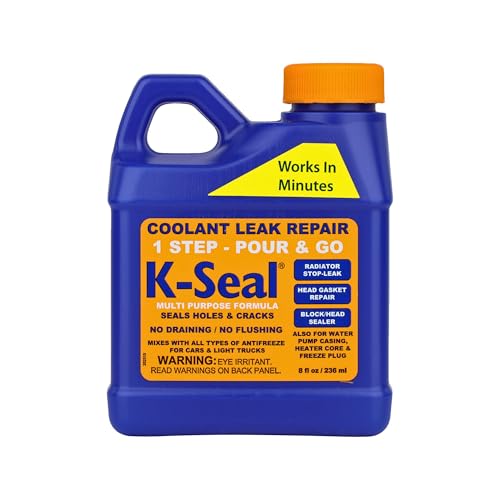
K-Seal ST5501 Multi-Purpose One Step Coolant Leak Repair, 8oz, Pour and Go, Mixes with All Antifreeze, No Flushing Required
FIX IT FAST: Our multi-purpose solution works in minutes to quickly seal leaks in the radiator, head gasket,…
As an affiliate, we earn on qualifying purchases.
As an affiliate, we earn on qualifying purchases.
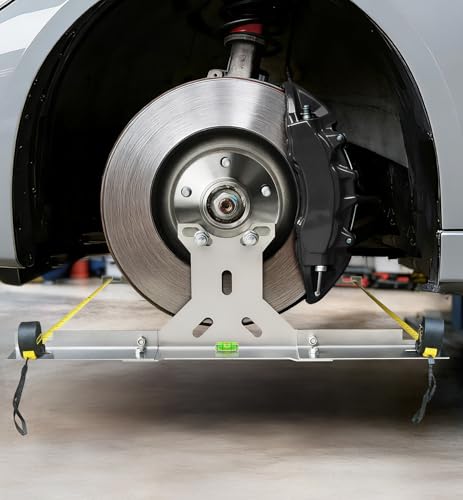
Toplamper Wheel Toe Alignment Tool Kit for at Home DIY Garage Use, Stainless Steel Toe Plates with Dual Tape Measures, Quick Front-End Toe Check for Automotive Cars Trucks SUVs (Patent Design)
DIY front‑end toe adjustment for home garages – Designed for car owners and home garages who want tocheck…
As an affiliate, we earn on qualifying purchases.
As an affiliate, we earn on qualifying purchases.