

When starting DIY ECU tuning, always prioritize proper sensor calibration and keep your software updated to guarantee safe adjustments. Avoid rushing through the process, and never skip backing up your current settings before making changes. Disconnect the battery and follow safety precautions to prevent damage and injury. Steer clear of hasty modifications or ignoring calibration, which can harm your engine. Continue exploring these key do’s and don’ts to tune your vehicle confidently and safely.
Key Takeaways
- Do ensure sensors are properly calibrated to maintain accurate readings and prevent engine issues.
- Do back up ECU settings before making changes to safeguard against data loss or errors.
- Don’t rush the tuning process; take your time to double-check each adjustment for safety and accuracy.
- Don’t ignore safety precautions like disconnecting the battery and wearing protective gear during tuning.
- Do keep your ECU software updated to benefit from improvements, bug fixes, and enhanced tuning features.
Essential Do’s for Safe and Effective DIY ECU Tuning
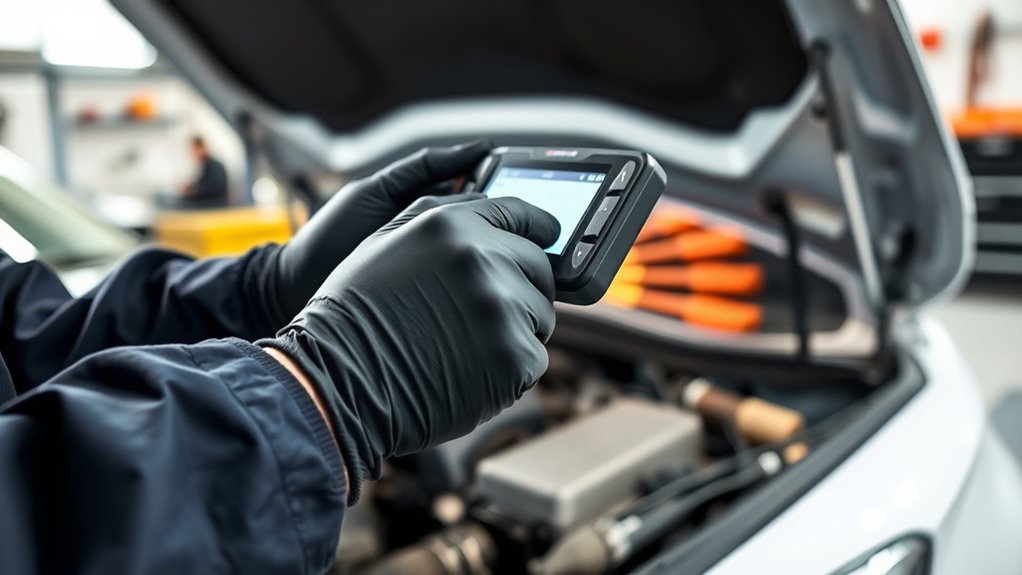
To guarantee a safe and effective DIY ECU tuning process, you need to follow some essential do’s. First, ensure proper sensor calibration; accurate sensors are vital for reliable data collection and optimal engine performance. Regularly check and calibrate sensors to prevent inaccurate readings that could lead to engine issues. Additionally, keep your software updated—manufacturers often release updates that improve tuning capabilities, fix bugs, and enhance safety features. Before making any changes, back up your current ECU settings to avoid losing critical data. Always use reputable tuning software and follow the manufacturer’s instructions carefully. Proper color accuracy in sensor readings can help prevent misinterpretations during tuning, ensuring your modifications lead to better performance without compromising engine safety. Moreover, understanding the European standards for emissions and safety can help you stay compliant while tuning your vehicle.
Common Don’ts to Avoid Costly Mistakes and Damage

While following the right procedures is important, knowing what mistakes to avoid can save you from costly repairs and engine damage.
- Ignoring safety precautions can lead to serious injury or damage to your vehicle. Always disconnect the battery and wear protective gear.
- Rushing the process may cause you to overlook critical steps, resulting in improper tuning and potential engine failure. Take your time and double-check each adjustment.
- Making hasty changes without understanding the implications can lead to engine knocking or overheating. Never modify parameters unless you fully comprehend their effects.
- Failing to consider the importance of proper calibration can compromise your vehicle’s performance and longevity. Proper tuning should incorporate Free Floating principles to optimize efficiency and safety.
Avoid these common don’ts to protect your vehicle, your safety, and your wallet. Patience and attention to detail are your best allies in DIY ECU tuning.
Frequently Asked Questions
What Tools Are Essential for Beginner DIY ECU Tuning?
You’ll need essential tools like a laptop with reliable ECU software and tuning software to start DIY ECU tuning. A compatible OBD-II interface or cable connects your vehicle to your computer, allowing you to read and write data. Also, consider a quality wideband O2 sensor for accurate air-fuel measurements. These tools help you safely modify your ECU settings, giving you control over engine performance without needing professional help.
How Do I Back up My Ecu’s Original Settings Safely?
Think of backing up your ECU’s original settings as saving a snapshot before editing a masterpiece. To do this, connect your ECU using compatible software, guaranteeing it’s compatible with your vehicle and tuning tools. Follow the backup procedures carefully—usually selecting “Read” or “Backup” options. Save the file in a safe location, and double-check your backup to verify it’s complete. This way, you’ll have a safety net if anything goes awry.
Can I Revert to Stock Tune if Needed?
Yes, you can revert to your stock tune if needed. Always keep a stock backup, which acts as your revert safety. To do this, make sure you’ve saved the original ECU settings before tuning. If you encounter issues or want to return to stock, simply upload your saved backup. This guarantees a smooth revert safety, restoring your ECU to its factory parameters without complications.
What Signs Indicate My ECU Tuning Is Unsafe?
If your ECU tuning is unsafe, you’ll notice diagnostic indicators like engine warning lights, poor acceleration, or rough idling. You might also experience reduced fuel efficiency or increased emissions. Always follow safety precautions, such as monitoring engine parameters closely and avoiding aggressive tuning. If you detect any of these signs, revert to your stock tune immediately and consult a professional to prevent potential damage or safety hazards.
How Long Does the ECU Tuning Process Typically Take?
You might think ECU tuning takes days, but with the right tuning software and proper engine diagnostics, it often takes just a few hours. The process varies depending on your experience and the vehicle’s complexity. Expect to spend time testing and refining settings. For beginners, allocate extra hours for learning and troubleshooting, ensuring your tune is safe and effective. Patience and proper tools make all the difference.
Conclusion
Remember, DIY ECU tuning is like walking a tightrope—you need balance and knowledge to avoid falling into costly mistakes. Stick to the do’s, steer clear of the don’ts, and treat your vehicle with respect. With patience and proper research, you’ll release your car’s true potential without risking a costly crash. Think of it as mastering a craft—practice makes perfect, and every step brings you closer to tuning success.