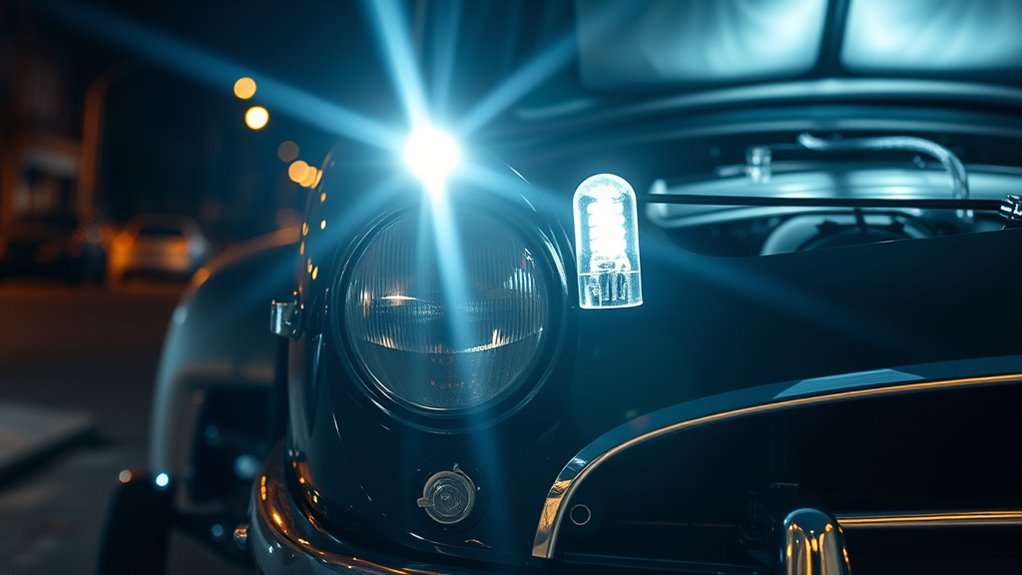

Upgrading to LED headlights can give your old car a noticeable boost in brightness, safety, and style. LEDs consume less power, last longer, and provide a sharper, more focused beam that improves nighttime visibility without blinding other drivers. Proper installation and maintenance are key to getting the best results and staying within legal guidelines. If you want to find out how to choose, install, or care for LED headlights, there’s more to discover below.
Key Takeaways
- Upgrading to LED headlights significantly increases brightness and improves visibility for older vehicles.
- Select DOT-compliant, compatible LED kits designed for your car model for optimal performance.
- Proper installation with correct wiring, mounting, and alignment ensures maximum brightness and safety.
- Regular maintenance like cleaning lenses and checking connections preserves brightness and headlight longevity.
- Ensure LED lights meet legal brightness and pattern standards to enhance safety and avoid regulatory issues.
Why Upgrade to LED Headlights?
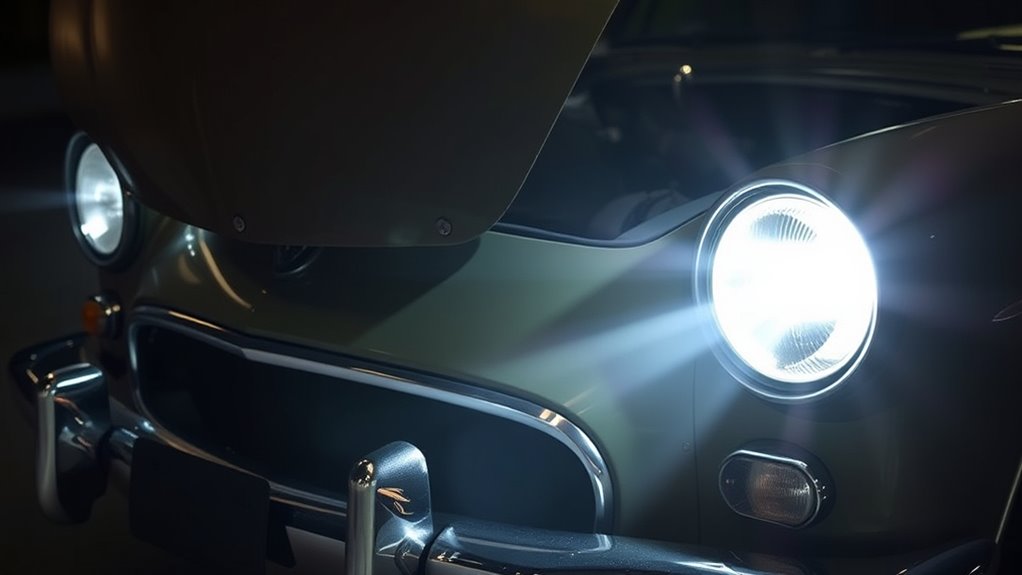
Have you ever wondered why more drivers are switching to LED headlights? The main reason is their impressive energy efficiency. Unlike halogen bulbs, LEDs consume less power, which reduces strain on your vehicle’s electrical system and can even improve fuel economy. Additionally, LED headlights emit a brighter, more focused beam, enhancing visibility without blinding other drivers. This combination of efficiency and style makes upgrading to LED headlights a smart choice for those wanting both performance and visual enhancement. With their long lifespan and low energy consumption, LEDs not only improve safety but also add a contemporary touch to your vehicle’s overall look. Moreover, understanding electrical concepts can help you communicate the benefits of upgrades like LEDs more effectively to fellow enthusiasts. A deeper knowledge of lighting technology can also assist in troubleshooting and optimizing headlight performance.
Choosing the Right LED Headlight Kit
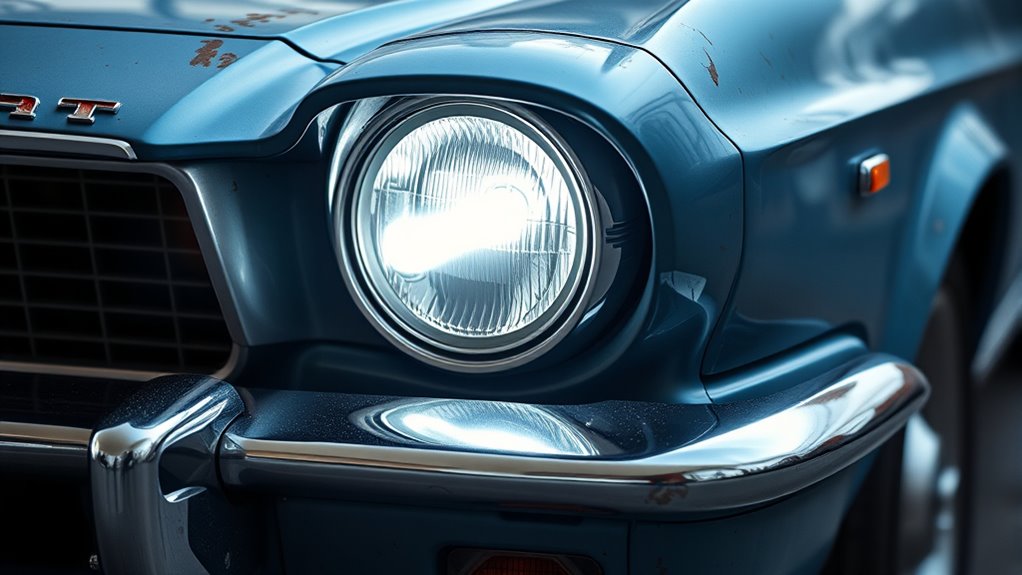
Selecting the right LED headlight kit guarantees ideal performance and compatibility with your vehicle. To do this, consider factors like bulb lifespan, ensuring durability for long-term use. The color temperature affects visibility and style, so choose a hue that enhances your driving experience. When choosing a kit, keep these in mind:
Choose an LED headlight kit with long lifespan, suitable color temperature, and perfect vehicle compatibility for optimal performance.
- Bulb lifespan: Look for options with a long lifespan to avoid frequent replacements.
- Color temperature: Pick a color temperature that suits your needs, from warm to cool white.
- Compatibility: Confirm that the kit fits your vehicle’s make and model for seamless installation.
- Installation and maintenance: Proper planning and understanding of total‑cost clarity can help you manage ongoing upkeep efficiently. Additionally, understanding the advanced lighting technology involved can improve your selection process and ensure optimal performance, especially since wave and wind dynamics can influence headlight effectiveness in different driving conditions. Recognizing how youngster choice and other factors influence vehicle customization can also aid in making informed decisions. Being aware of light distribution patterns is essential to ensure your headlights provide the best illumination without blinding other drivers.
Tools and Materials Needed for Installation
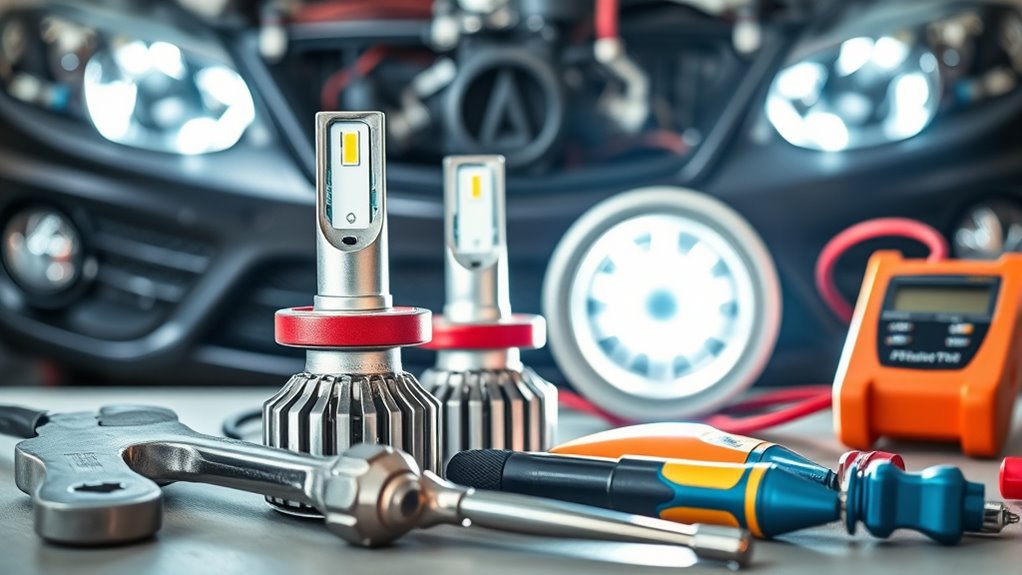
Before you start installing your new LED headlight kit, gather the necessary tools and materials to make the process smooth. You’ll need wiring harnesses to connect the LEDs to your vehicle’s electrical system securely. Make sure the wiring harnesses are compatible with your headlight kit and vehicle. Additionally, have mounting brackets on hand to properly secure the LED bulbs in place. A basic toolkit with screwdrivers, pliers, and wire cutters will also help with removing old headlights and fitting new components. Double-check that you have all parts included in your kit, such as connectors and adapters. Proper wiring techniques and the use of quality connectors ensure a reliable connection. Creating a organized workspace that’s not just organized ensures your workspace remains efficient and stress-free during the installation process. To ensure safety and optimal performance, consider testing your lights before completing the installation. Additionally, understanding water-related vehicle maintenance can help keep your car’s electrical components functioning properly in the long run.
Preparing Your Vehicle for the Conversion
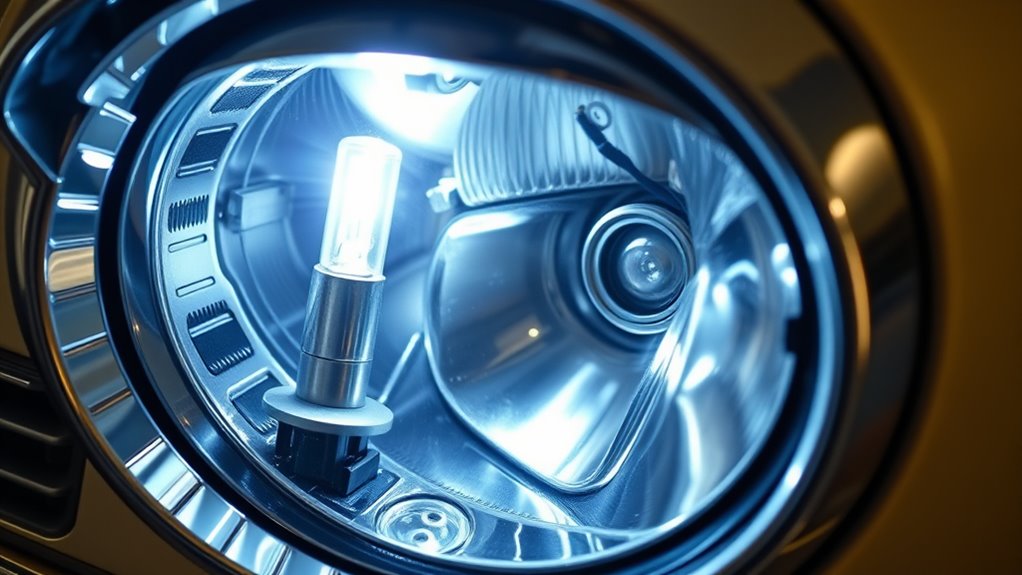
To guarantee a smooth LED headlight conversion, start by turning off your vehicle and disconnecting the battery. Before proceeding, perform a vehicle inspection to ensure all existing headlights are functioning properly and check for any wiring issues. Next, verify your headlights are correctly aligned; misaligned headlights can reduce visibility and cause glare. Additionally, it’s important to verify registration with relevant authorities to ensure your vehicle’s lighting modifications are compliant with regulations. Before installation: – Inspect the headlight housing for damage or corrosion – Confirm the wiring harness is intact – Ensure the headlight adjustment screws are accessible. Proper preparation prevents future problems and guarantees your new LEDs perform at their best. Taking these steps helps you avoid unnecessary adjustments later, keeps your vehicle safe, and guarantees the headlights are aligned correctly for maximum brightness and safety. Also, reviewing sauna heater installation guidelines can provide helpful insights into electrical safety and proper wiring practices. Ensuring your vehicle’s electrical system is compatible with LED upgrades and understanding electrical safety standards can further prevent potential issues.
Step-by-Step Installation Process
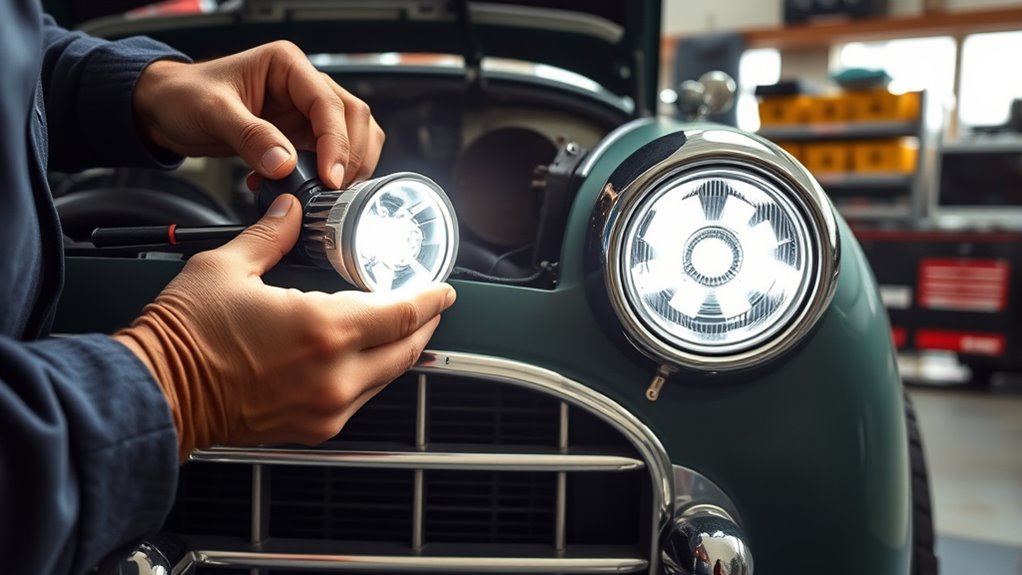
Begin the installation by gathering all necessary tools and parts, ensuring you have your LED headlight kit, screwdrivers, and any additional connectors ready. Before you start, review the wiring diagrams provided with your kit to guarantee correct connections. For installation safety, disconnect the vehicle’s battery to prevent electrical shocks or shorts. Carefully remove the old headlights, noting how they are wired, and consider consulting electrical safety guidelines to prevent hazards during work. Following the manufacturer’s instructions carefully will help ensure proper installation safety and avoid damaging your vehicle’s electrical system. Follow the step-by-step instructions to connect the new LED headlights, paying close attention to the wiring diagrams to match the correct terminals. Secure the LEDs firmly in place, avoiding loose connections. Reconnect the battery and test the headlights. Proper installation safety practices and accurate wiring are vital for maximum performance and longevity of your LED headlight conversion. Additionally, understanding thermal behavior can help ensure your LEDs operate within safe temperature ranges, extending their lifespan. Be aware that piercing aftercare is essential to prevent infections, which can be analogous to ensuring your electrical connections remain clean and secure during installation.
Troubleshooting Common Issues
Even with careful installation, you might encounter issues like flickering headlights or failure to turn on. Dim headlights could be caused by poor connections or incompatible components. Flickering LEDs often result from voltage fluctuations or insufficient wiring. To troubleshoot, check these common problems:
Even with careful installation, issues like flickering headlights or dim lights can occur.
- Ensure all connections are secure and free of corrosion.
- Verify compatibility between the LED bulbs and your vehicle’s electrical system.
- Consider installing a resistor or decoder if flickering persists.
- Additionally, understanding LED technology can help you identify whether specific components are suitable for your vehicle’s system.
- Recognizing power stability issues can also prevent flickering and ensure consistent headlight performance.
- Learning about electrical loads can help you determine if your vehicle’s wiring can handle the additional current drawn by LED upgrades.
- Consulting electrical system specifications can further aid in diagnosing and resolving power-related issues.
Addressing these issues can restore proper function. For flickering LEDs, adding a resistor can stabilize voltage, while replacing faulty wiring can eliminate dim headlight problems. Always double-check your installation steps and consult your vehicle’s manual if issues continue. Proper troubleshooting helps ensure your LED headlights provide the bright, reliable illumination you want.
Benefits of LED Headlights Beyond Brightness
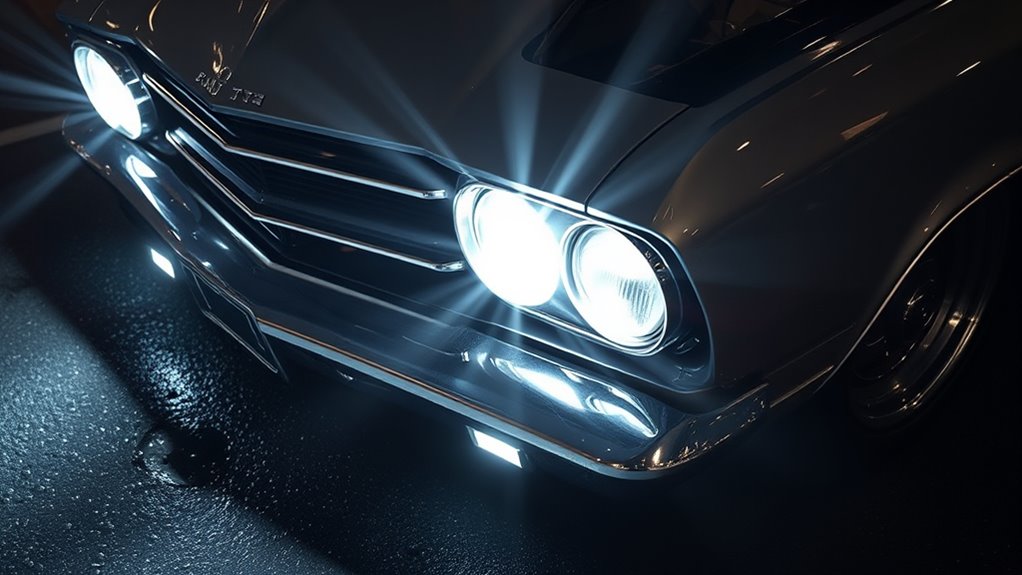
LED headlights offer more than just increased brightness; they also enhance your vehicle’s overall efficiency and longevity. They provide a sleek aesthetic enhancement, giving your car a modern, stylish look. Plus, LED lights are highly energy-efficient, consuming less power while delivering bright illumination. This reduces strain on your vehicle’s electrical system and can improve fuel economy over time. Additionally, LEDs have a longer lifespan, meaning fewer replacements and lower maintenance costs. The combination of aesthetic appeal and energy savings makes them a smart upgrade beyond just brightness. Here’s how these benefits compare:
| Benefit | Description |
|---|---|
| Aesthetic Enhancement | Modern, stylish look improves your car’s appearance. |
| Energy Efficiency | Uses less power, reducing strain on your electrical system. |
| Longevity | Longer-lasting bulbs save money on replacements. |
| Maintenance | Less frequent repairs and replacements. |
| Overall Efficiency | Better performance and reduced operational costs. |
Maintaining and Caring for Your New Headlights
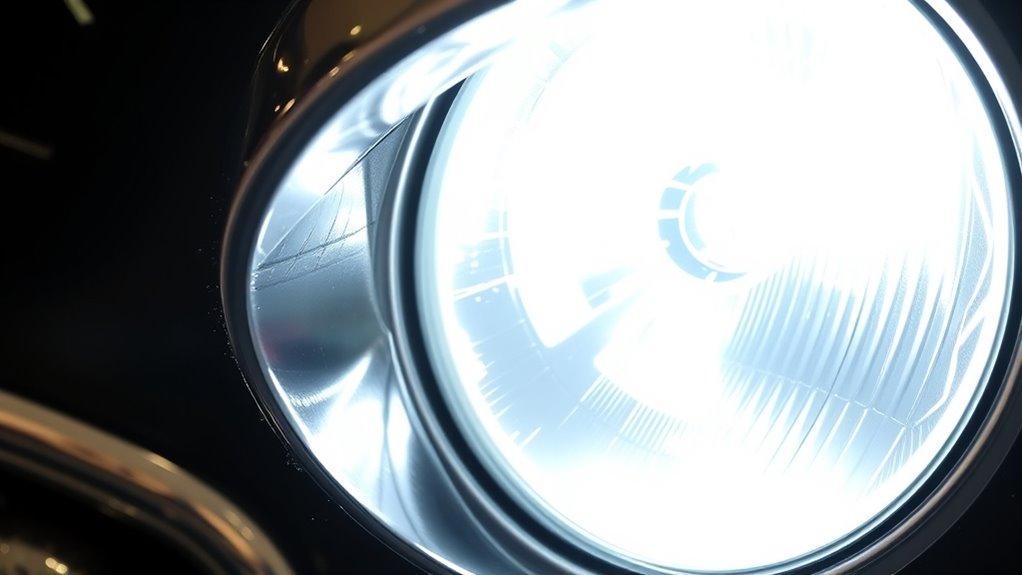
To keep your new headlights performing at their best, regular maintenance and proper care are essential. Proper cleaning and polishing not only improve visibility but also extend bulb longevity. To guarantee your headlights stay in top condition, consider these tips:
- Clean the lenses regularly with a gentle cleaner to remove dirt and grime.
- Use a polishing kit to restore clarity and prevent fogging or yellowing.
- Check and tighten connections periodically to avoid flickering or dimming.
Tips for Ensuring Legal Compliance and Safety

Ensuring your LED headlight conversion complies with local laws and safety standards is essential for a trouble-free driving experience. To stay within legal considerations, check your region’s regulations on brightness and beam pattern. Always use quality, DOT-compliant bulbs to meet safety precautions. Here’s a quick guide:
| Aspect | What to Check | Why It Matters |
|---|---|---|
| Brightness Limits | Ensure lumens stay within legal range | Prevents glare and fines |
| Beam Pattern | Proper alignment to avoid blinding others | Ensures safe visibility for all |
| Certification | Use certified, DOT-approved LED kits | Meets legal safety standards |
| Installation | Professional installation recommended | Avoids misalignment and damage |
| Regular Inspection | Periodically verify light performance | Maintains safety and compliance |
Following these tips keeps your headlights legal and safe.
Frequently Asked Questions
How Long Do LED Headlights Typically Last?
LED headlights typically last between 30,000 to 50,000 hours, thanks to their impressive bulb longevity. To maximize their lifespan, you should follow proper maintenance tips like keeping the lenses clean and ensuring the wiring stays secure. Regular inspections can help spot issues early, preventing premature failure. With good care, your LED headlights can provide bright, reliable illumination for many years, making your driving safer and more enjoyable.
Can I Install LED Headlights Myself Without Professional Help?
You can definitely do a DIY installation of LED headlights, especially since over 60% of car enthusiasts tackle upgrades themselves. Just make certain you follow safety considerations, like disconnecting the battery and wearing gloves, to avoid electrical issues or injury. Watching detailed tutorials and using proper tools makes the process smoother. If you’re comfortable with basic car maintenance, installing LED headlights is manageable and saves you money while upgrading your vehicle’s brightness.
Do LED Headlights Require Special Wiring or Adapters?
LED headlights generally don’t require special wiring or adapters if your vehicle’s wiring compatibility is standard. However, some older cars might need an adapter to fit the LED connectors properly. You should check your car’s wiring and connector types first. If necessary, use an appropriate adapter to guarantee a secure fit and proper functionality. This way, you can install LED headlights smoothly without needing extensive modifications.
Are LED Headlights Compatible With All Vehicle Models?
LED headlights aren’t compatible with all vehicle models, so you need to check vehicle compatibility first. Some cars require model-specific requirements, adapters, or additional wiring to guarantee proper fit and function. You should verify your vehicle’s make, model, and year before purchasing. By doing so, you’ll avoid installation issues, guarantee maximum brightness, and enjoy the benefits of LED lighting without risking damage or poor performance.
Will Upgrading to LED Headlights Affect My Vehicle’s Electrical System?
Upgrading to LED headlights generally won’t harm your vehicle’s electrical system if the LEDs are compatible. They typically have minimal impact on your battery, but you should verify electrical compatibility beforehand. Some older cars might need a relay or resistor to prevent flickering or error messages. Always confirm your vehicle’s wiring can handle the new lights to avoid any electrical issues, and consider consulting a professional for installation.
Conclusion
Upgrading to LED headlights is like giving your old car a fresh pair of eyes—brighter, clearer, and more modern. With the right kit and a little effort, you’ll enjoy improved visibility and safety on the road. Just remember to follow the steps carefully and keep up with maintenance, so your new lights shine brightly for years to come. Brighten your drive and make every night feel like day!