
To quiet your car and boost your audio experience, focus on soundproofing key areas like door panels and the trunk. Seal gaps with weatherstripping or acoustic caulk, then add damping mats or soundproofing foam behind panels and inside the trunk. Use mass-loaded vinyl or damping mats to reduce external noise and vibrations. With proper installation, you’ll enjoy a quieter ride and richer sound quality. Keep going, and you’ll discover how to maximize your car’s acoustic comfort even further.

Get business pricing on garage and car supplies
- Business-only prices and quantity discounts
- Tax-exempt purchasing
- Multiple users, one account, clear invoices
Key Takeaways
- Focus on sealing door gaps with weatherstripping or acoustic caulk to block external noise transmission.
- Install soundproofing mats or foam on door panels and trunk surfaces for vibration damping and sound absorption.
- Remove interior panels to access and add damping materials directly onto metal surfaces.
- Line the trunk area with damping mats to minimize road and load vibrations entering the cabin.
- Combine multiple soundproofing techniques for maximum reduction of road, engine, and external noises.

If you’re tired of road noise ruining your drives, soundproofing your car is a practical solution. Excess noise not only makes your rides less comfortable but also interferes with your ability to enjoy your favorite music or have clear conversations. One effective way to reduce unwanted sound is by focusing on key areas like door panels and trunk insulation. These spots often let in a surprising amount of noise, so sealing them properly can make a noticeable difference.
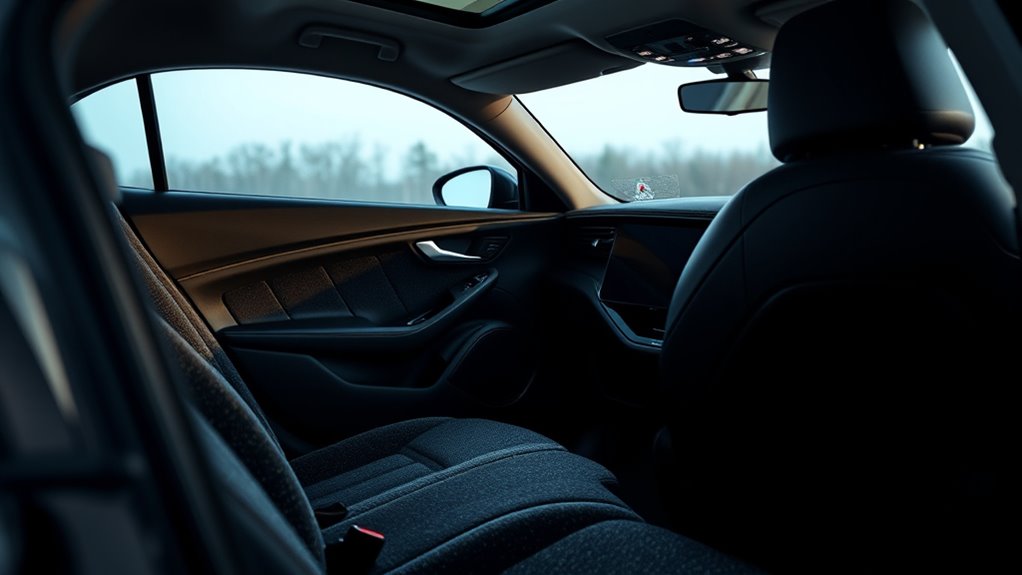
Start with the door panels. They’re a common source of interior noise because they have gaps and thin materials that transmit sound from outside. Removing the door panels allows you to install soundproofing materials such as mass-loaded vinyl or acoustic foam directly onto the metal surfaces. These materials absorb and block noise, preventing it from entering your cabin. Be sure to also add soundproofing mats behind the panels, which further dampen vibrations and reduce noise transmission. Don’t forget to seal any gaps around the door seals with weatherstripping or acoustic caulk. Doing so keeps road noise from sneaking in through tiny openings, especially at high speeds.
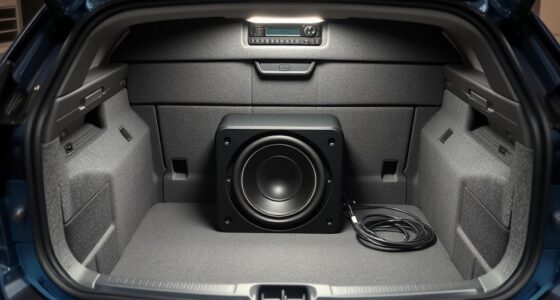
Next, consider your trunk insulation. The trunk is another substantial source of noise because it’s often less insulated than the passenger compartment. When you load your trunk with gear or luggage, vibrations can generate noise, and sound can travel through the trunk’s thin walls into the cabin. To combat this, add specialized trunk insulation, which typically involves lining the trunk with damping mats or foam. These materials absorb sound waves and vibrations, markedly quieting the ride. If your trunk is already equipped with a liner, you can peel it back and add soundproofing mats underneath or on top of the existing lining for extra noise reduction. This not only muffles road and engine noise but also enhances the overall acoustic environment inside your car, making your audio system sound richer and clearer.
As an affiliate, we earn on qualifying purchases.
Frequently Asked Questions
Can Soundproofing Void My Car Warranty?
Soundproofing your car can potentially void your warranty if it involves modifications that don’t meet manufacturer guidelines. Warranty concerns mainly arise from installation considerations, such as damaging original parts or using incompatible materials. To avoid issues, check your vehicle’s warranty policy and consult a professional installer familiar with your car model. This way, you guarantee your soundproofing efforts won’t compromise your warranty coverage or vehicle integrity.
What Are the Best Soundproofing Materials for Hot Climates?
Think of your car as a desert oasis—hot and dry. To keep it comfortable, choose heat resistant materials like mass-loaded vinyl or closed-cell foam, which withstand high temperatures. Pair these with moisture proof solutions like butyl mats to prevent humidity from causing issues. These materials work like a shield, maintaining soundproofing effectiveness even in scorching climates, so you enjoy a quieter, cooler ride no matter how hot it gets outside.
How Long Does a Full Soundproofing Installation Take?
A full soundproofing installation typically takes 1 to 3 days, depending on your car’s size and the complexity of the job. You’ll want to plan accordingly to avoid inconvenience. Keep in mind, an installation timeline might affect your warranty if not done properly, so choose a professional with experience. Rushing the process could compromise quality, so patience guarantees the best results for a quieter ride.
Will Soundproofing Affect My Vehicle’s Resale Value?
You might find that soundproofing subtly influences your vehicle’s resale value, often positively if done well, because it enhances market perception of comfort and quality. While some buyers may see it as an upgrade, others might worry about modifications. Overall, if you keep the work professional and reversible, it’s unlikely to harm resale value and could even make your car more appealing to a niche market that values a quieter ride.
Are There DIY Soundproofing Kits Suitable for Beginners?
Yes, there are DIY soundproofing kits that are beginner-friendly options, perfect for your first project. These kits usually come with clear instructions and all necessary materials, making it easy for you to install soundproofing in your car. You can find kits designed specifically for novices, so you don’t need special skills or tools. With a bit of patience, you’ll enjoy a quieter ride and better audio quality in no time.
As an affiliate, we earn on qualifying purchases.
Conclusion
By soundproofing your car, you’re transforming your ride into a sanctuary of serenity—where every note from your premium audio feels like a gentle whisper rather than a distant echo. Imagine cruising through a world muffled in tranquility, your favorite tunes wrapping around you like a cozy blanket. With a little effort, you’ll turn up the volume on your driving experience, making every journey smoother, quieter, and truly unforgettable. Silence has never sounded so good.
As an affiliate, we earn on qualifying purchases.
As an affiliate, we earn on qualifying purchases.
Fall Picks
fall essentials
As an affiliate, we earn on qualifying purchases.