
Adding daytime running lights (DRLs) to your old car is a smart way to boost visibility and safety. First, choose the right type, like LED or halogen, and find the best spots such as the top of the windshield or bumper. Then, gather tools, wire the lights to an ignition circuit, and secure them properly. Testing everything guarantees they work correctly. Continue exploring to learn detailed steps on installation, troubleshooting, and keeping your new lights in top shape.

Get business pricing on garage and car supplies
- Business-only prices and quantity discounts
- Tax-exempt purchasing
- Multiple users, one account, clear invoices
Key Takeaways
- Choose suitable LED or halogen DRLs that match your vehicle’s design and visibility needs.
- Verify local laws regarding DRL installation and operation to ensure legal compliance.
- Properly position the lights on the bumper, windshield, or grill area for optimal visibility and safety.
- Connect the DRLs to ignition circuits with secure wiring, fuses, and relays for automatic activation.
- Regularly check and maintain the lights and wiring to ensure consistent performance and safety.
LED daytime running lights for cars
As an affiliate, we earn on qualifying purchases.
As an affiliate, we earn on qualifying purchases.
Understanding the Benefits of Daytime Running Lights

Daytime Running Lights (DRLs) particularly enhance your vehicle’s visibility on the road, making it easier for other drivers to see you, especially in low-light or overcast conditions. This boost in visibility directly improves automotive safety by reducing the risk of accidents caused by being overlooked. Even during daylight hours, DRLs ensure your car stands out, helping to prevent rear-end collisions and increasing overall awareness. While they don’t replace headlights, DRLs serve as an additional layer of protection, especially in foggy or rainy weather when night visibility is compromised. Adding DRLs to your old car is a simple yet effective way to upgrade safety features, making your driving experience safer and more confident in various lighting conditions. Modern safety features like DRLs are increasingly important as they provide an extra measure of protection in everyday driving. Additionally, implementing advanced lighting technology can further enhance your vehicle’s visibility and safety, especially when combined with other vehicle safety upgrades. Upgrading your lighting system with reliable lighting solutions can also ensure consistent performance and longevity. Incorporating energy-efficient lighting can reduce power consumption while maintaining optimal brightness and reliability.
As an affiliate, we earn on qualifying purchases.
Choosing the Right Type of DRLs for Your Vehicle

When selecting DRLs for your car, you’ll want to think about the differences between LED and halogen lights, as well as whether fixed or sequential options suit your style. Brightness and color choices also matter, since they affect visibility and aesthetics. By understanding these factors, you can pick the best lights to enhance your vehicle’s safety and look.
LED vs. Halogen Lights
Choosing between LED and halogen daytime running lights depends on your priorities for brightness, energy efficiency, and longevity. LEDs typically produce a brighter, whiter headlight glow and consume less power, making them more energy-efficient. They also boast a longer bulb lifespan, reducing replacement frequency. Halogens, on the other hand, are more affordable upfront but tend to have a shorter lifespan and may produce a warmer, less vivid light. When selecting, consider how often you’ll need to replace bulbs and the desired light quality. Here’s a comparison:
| Feature | LED | Halogen |
|---|---|---|
| Brightness | Higher, whiter glow | Lower, warmer light |
| Energy consumption | Lower | Higher |
| Bulb lifespan | Longer (up to 25,000 hrs) | Shorter (around 1,000 hrs) |
| Cost | Higher initially | Lower initially |
| Headlight glow | Crisp, modern | Softer, traditional |
Choose based on your balance of cost, efficiency, and durability. Additionally, understanding the lighting technology behind these options can help you make a more informed decision. For example, Light Emitting Diodes utilize a process that converts electricity directly into light, making them more efficient than traditional halogen bulbs. Recognizing the energy efficiency of LED lights can also lead to savings on your vehicle’s power consumption over time.
Fixed vs. Sequential Lights
Fixed and sequential daytime running lights each have their own advantages, so selecting the right type depends on your driving style and aesthetic options. Fixed lights emit a steady glow, making light placement straightforward and ensuring consistent visibility. They’re simple to install and maintain, perfect if you prefer a clean, minimalist look. Sequential lights, on the other hand, light up in a pattern, creating a dynamic visual effect that grabs attention. This style offers more flexibility in light placement, allowing you to customize how your DRLs look on your vehicle. If you want a modern, eye-catching design, sequential lights are a great choice. However, if you prefer simplicity and reliability, fixed lights might suit you better. Consider your aesthetic preferences and how you want your vehicle to stand out on the road. Understanding light types can help you make an informed decision that complements your vehicle’s overall look and functionality.
Color and Brightness Options
Selecting the right color and brightness for your daytime running lights can significantly impact both your vehicle’s visibility and its style. When choosing, consider these factors:
- Color options: White or yellow are common, with white offering modern appeal and yellow increasing contrast in foggy conditions.
- Brightness levels: Bright enough to be noticeable without blinding other drivers; usually between 100-300 lumens.
- Style compatibility: Match the DRL color and brightness with your vehicle’s overall look for a cohesive appearance.
- Regulatory considerations: Ensure your choice complies with local lighting laws to avoid penalties and ensure safety.
Opt for a color that enhances visibility while complementing your car’s design. Adjust brightness levels based on your environment—brighter for fog or poor weather, softer for clear days. This balance ensures safety and style go hand in hand.
car daytime running lights installation kit
As an affiliate, we earn on qualifying purchases.
As an affiliate, we earn on qualifying purchases.
Gathering the Necessary Tools and Materials
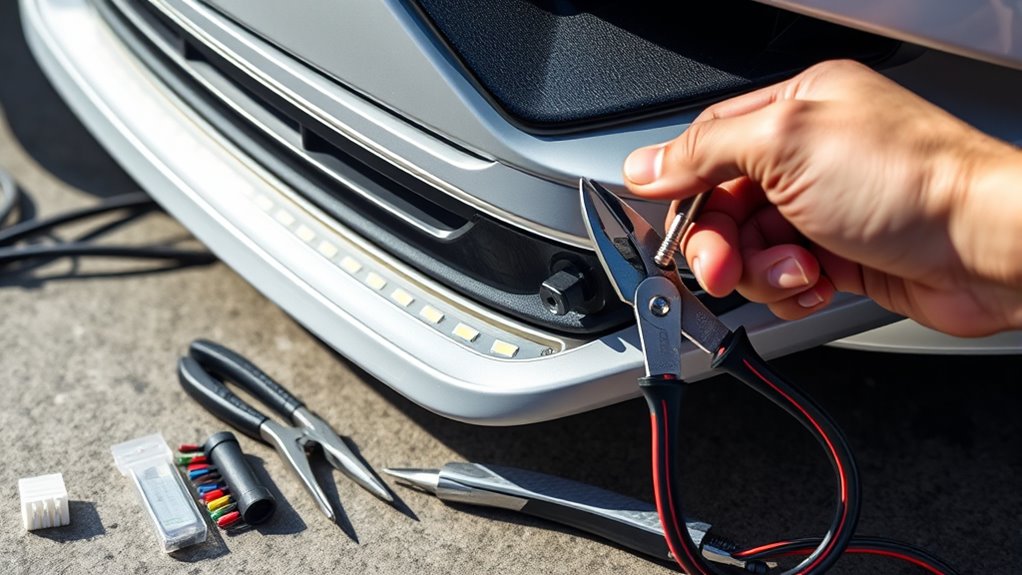
Before you start installing daytime running lights, it’s important to gather all the necessary tools and materials to guarantee a smooth process. You’ll need basic hand tools like screwdrivers, wire strippers, and pliers. Additionally, gather the lights, wiring, fuse, relay, and mounting brackets. Don’t forget a multimeter for testing connections and understanding wiring diagrams. Proper battery maintenance is essential to avoid draining your battery quickly. Here’s a quick overview:
| Tool/Material | Purpose | Notes |
|---|---|---|
| Wire strippers | Cut and strip wiring | Essential for connections |
| Wiring diagrams | Guide proper wiring setup | Find specific diagrams online |
| Fuse and relay | Protect circuits | Prevent electrical issues |
| Vehicle electrical system | Understand wiring and prevent issues | Necessary for safe installation |
| Electrical knowledge | Helps interpret wiring diagrams | Ensures correct connections |
Understanding your vehicle’s electrical system can help prevent electrical issues during installation. Having these ready means you’ll avoid unnecessary delays and keep your installation safe and effective.
automotive LED light strips for bumpers
As an affiliate, we earn on qualifying purchases.
As an affiliate, we earn on qualifying purchases.
Locating the Ideal Installation Spot on Your Car
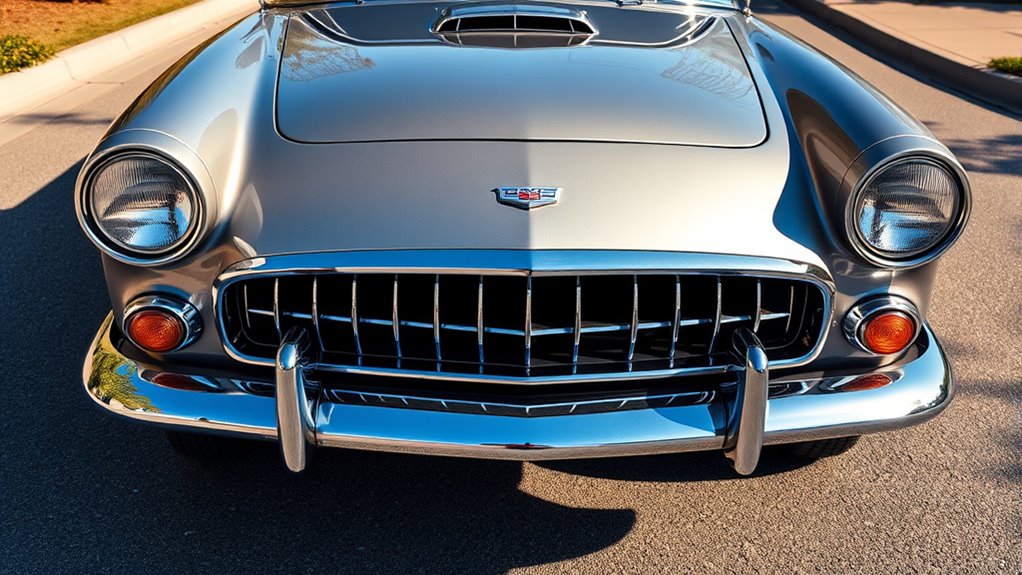
Choosing the right spot for your daytime running lights is key to guaranteeing they function effectively and look good on your vehicle. You want a location that doesn’t interfere with parking sensors or other features. Consider these options:
- Near the Headlights: Placing lights close to existing headlights ensures consistent visibility while maintaining the car’s design. Proper placement also helps in aligning the lights for optimal illumination. Additionally, considering lighting standards can ensure your modifications remain compliant with safety regulations. Proper positioning can also enhance overall vehicle safety by increasing daytime visibility, which is crucial for accident prevention.
- Lower Bumper Area: Mounting lights here keeps them out of the way of parking sensors and doesn’t compromise aerodynamics or fuel efficiency. This area often provides easier access for wiring and installation. Proper wiring accessibility can simplify the installation process and ensure secure connections. Ensuring the installation process is straightforward can save time and reduce potential issues with wiring or mounting.
- Side of the Grill: Installing lights in this spot offers good coverage and avoids cluttering the front fascia, preserving your vehicle’s aesthetics. Additionally, selecting a proper mounting location helps ensure your lights are both effective and compliant with safety standards. Always check for obstacles and ensure the placement doesn’t compromise parking sensors or fuel efficiency. This way, your lights are both effective and unobtrusive. Proper placement here can also prevent damage from debris or road hazards, maintaining the longevity of your lights.
Wiring and Connecting Your Daytime Running Lights

Wiring your daytime running lights correctly is essential for reliable operation and safety. Start by connecting the DRLs to a power source that activates with your ignition, guaranteeing they turn on automatically. Check your vehicle’s fuse box and relay system to prevent electrical issues. Keep battery maintenance in mind; avoid overloading the circuit to protect your car’s electrical system. When connecting, use proper wiring techniques and insulated connectors to prevent shorts. Consider the color temperature of your lights to match your vehicle’s existing headlights for a cohesive look. Proper wiring ensures consistent performance, reduces the risk of malfunctions, and keeps your electrical system healthy. Take your time to double-check connections, guaranteeing they’re secure and correctly polarized for maximum brightness and safety. Additionally, understanding your vehicle’s electrical system and fuse box layout can help streamline the installation process and troubleshoot potential issues more effectively. Always refer to your vehicle’s manual for specific wiring diagrams and electrical system information to ensure compatibility and safety. A thorough understanding of vehicle electrical systems can further improve installation accuracy and long-term reliability. For added security, consider using protective relays to safeguard against voltage spikes and electrical surges. You can also consult online resources or forums for model-specific wiring tips to make the process smoother.
Testing Your New DRLs to Ensure Proper Functionality
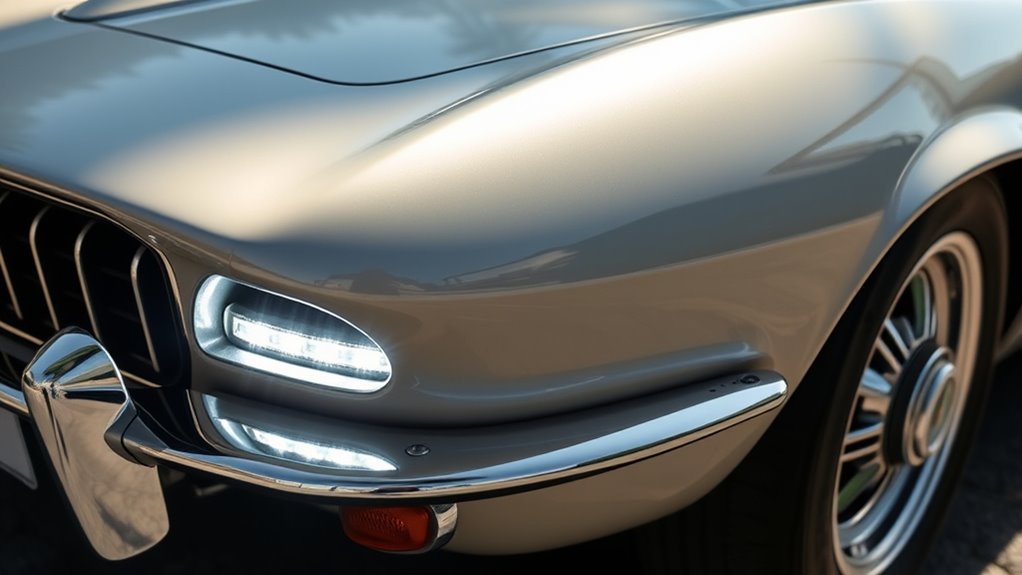
Once your DRLs are wired and connected, it’s crucial to test them thoroughly to verify they function correctly. Start by turning on your vehicle and activating the lights. Check that the lights illuminate smoothly, with consistent brightness. Ensure the color temperature matches your expectations for visibility and safety, typically around 5000K to 6500K for a bright, daylight-like appearance. Observe if the lights turn on without flickering or dimming, which could indicate a battery capacity issue or loose connections. Finally, confirm they stay on when the engine runs and that they switch off properly when you turn off the vehicle. These steps help guarantee your new DRLs are reliable, safe, and effective for extra visibility on the road.
Tips for Maintaining and Troubleshooting Your Lights

Regular maintenance and prompt troubleshooting are essential to keep your daytime running lights functioning reliably. Check the light bulb lifespan regularly; if a bulb flickers or dims, it’s probably time to replace it. Always verify electrical system compatibility before installing new bulbs or components to prevent electrical issues. Keep wiring connections clean and secure to avoid shorts or failures. If your lights stop working unexpectedly, test the fuse and replace it if blown. Use a multimeter to check voltage and ensure proper power supply. Regularly clean the lenses to maximize visibility and prevent dirt buildup. Address issues promptly to prevent further damage, and consult your vehicle’s manual for specific troubleshooting steps. Proper maintenance ensures your DRLs stay bright and reliable for safer driving.
Legal Considerations and Safety Tips for Using DRLs

Before installing DRLs, make sure you’re aware of local laws to avoid fines or penalties. Proper installation is essential for safety and legality, so follow recommended practices carefully. Always use your daytime lights responsibly to enhance visibility without causing glare or distraction to other drivers.
Compliance With Local Laws
To guarantee you’re using daytime running lights (DRLs) legally and safely, it’s vital to understand your local laws and regulations. Being compliant ensures your vehicle aesthetics remain appropriate and you avoid penalties. First, check if DRLs are mandatory or restricted in your area, as some regions have specific rules. Second, verify the type of lighting allowed; certain laws specify brightness levels and color. Third, consider energy consumption, since some regulations limit the power used by added lights to prevent unnecessary battery drain. Staying informed helps you avoid legal issues and guarantees your modifications promote safety without violating any rules. Remember, adhering to local laws balances safety benefits with legal compliance and maintains your vehicle’s appearance.
Proper Installation Practices
Proper installation of daytime running lights requires careful attention to both legal requirements and safety best practices. First, consider available color options—most regions specify white or yellow lights for DRLs, so choose accordingly to avoid legal issues. When installing, opt for lights with automatic activation, which turn on automatically when you start your vehicle, ensuring consistent visibility without manual intervention. Proper wiring is essential; secure connections prevent shorts or failures. Mount the lights where they are visible to other drivers but do not obstruct your view or violate local regulations. Test the system thoroughly before hitting the road, confirming that the lights activate correctly and function reliably. Following these practices helps ensure your DRLs are both legal and effective for enhanced daytime safety.
Safe Daytime Usage
Using daytime running lights safely requires understanding the legal rules that govern their use in your area. Always check local traffic laws to ensure DRLs are permitted during daytime hours. To stay safe:
- Regularly monitor your parking sensors to avoid collisions when your visibility improves with DRLs.
- Keep your tire pressure at recommended levels; properly inflated tires improve handling and stopping distances, especially in low-light conditions.
- Use your DRLs to increase your vehicle’s visibility, but turn them off in foggy or rainy weather if local laws advise so, preventing glare that can impair other drivers.
Following these safety tips helps you avoid legal issues and reduces the risk of accidents, ensuring your old car remains safe and visible on the road.
Frequently Asked Questions
Can I Install DRLS on Any Car Model Easily?
You can install DRLs on many car models, but compatibility questions may arise depending on your vehicle’s make and wiring setup. Generally, older cars might present installation challenges, especially if they lack the necessary wiring or electrical capacity. It’s best to check your vehicle’s specifications and consult a professional if needed. With the right parts and guidance, adding DRLs can be a straightforward upgrade to improve visibility.
How Long Does a Typical DRL Installation Take?
A typical DRL installation takes about 1 to 3 hours, depending on your car’s make and model. The process involves wiring the daytime running lights to your vehicle’s electrical system, which can be straightforward or complex. You’ll need to follow the installation process carefully, ensuring proper connections. For a quick and safe installation, consider seeking professional help if you’re unsure about electrical work, as this can save time and prevent issues.
Do I Need Professional Help to Install DRLS?
Ever wonder if you can handle a DIY installation of DRLs? You can, if you’re comfortable with basic wiring and tools. However, for a safe, proper setup, professional assistance might be best. While installing DRLs yourself can save money and be rewarding, a professional ensures everything’s correctly connected and compliant with regulations. Consider your skills and comfort level before deciding whether to DIY or seek expert help.
Are There Any Warranty Concerns After Installation?
Adding daytime running lights (DRLs) is often considered an aftermarket modification, but it typically won’t void your warranty if installed correctly. However, improper installation can lead to warranty voiding or damage, so make sure you follow manufacturer guidelines or consult a professional. Keep receipts and documentation to prove proper installation, and avoid modifying critical electrical systems to prevent warranty issues. Properly installed DRLs generally won’t affect your vehicle’s warranty.
Will Adding DRLS Affect My Car’s Electrical System?
Adding DRLs generally won’t affect your car’s electrical system if you guarantee electrical compatibility. You might encounter wiring complexity, especially if your vehicle has an older or simpler setup, but with proper installation, it’s manageable. Using the correct wiring techniques and components, you’ll prevent electrical issues. If you’re unsure, consulting a professional can help you avoid potential problems and ensure the DRLs work safely without straining your car’s electrical system.
Conclusion
Adding daytime running lights to your old car can boost your visibility by up to 20%, helping you stay safer on the road. It’s a simple upgrade that pays off, especially since many accidents happen during daylight hours. With just a bit of effort, you can enjoy better safety and peace of mind every time you drive. So, why not give your car this smart, cost-effective upgrade today? Your safety is worth it!
Fall Picks
fall essentials
As an affiliate, we earn on qualifying purchases.