
TL;DR

Get business pricing on garage and car supplies
- Business-only prices and quantity discounts
- Tax-exempt purchasing
- Multiple users, one account, clear invoices
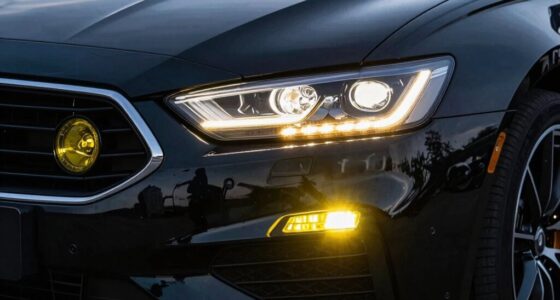
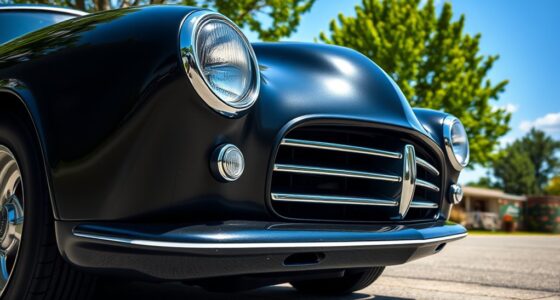
Car manufacturers are resisting proposals to mandate fixes for headlights that produce excessive glare. This stance could impact driver safety standards and regulatory policies. The debate centers on technical feasibility and industry liability.
Major car manufacturers are opposing proposed regulations that would require them to address headlights deemed excessively bright and blinding to other drivers. This stance has sparked concern among safety advocates and regulators, as it raises questions about driver safety and industry accountability.
The controversy centers on new regulatory efforts aimed at reducing headlight glare, which can impair the vision of oncoming drivers and contribute to accidents. Several industry sources confirm that leading automakers have formally expressed their opposition to mandates that would compel them to modify existing headlight systems or redesign future models to reduce brightness levels.
According to a recent statement from the Alliance of Automotive Manufacturers, the industry argues that implementing such fixes would be technically challenging and financially burdensome, especially for older vehicle models. They claim that current headlight technology is already optimized for safety and that further modifications could compromise visibility for drivers.
Regulators, including the National Highway Traffic Safety Administration (NHTSA), have indicated ongoing investigations into headlight glare issues, but no binding regulations have yet been enacted. Industry representatives have also raised concerns about potential liability if manufacturers are forced to retrofit or recall vehicles to meet new brightness standards.
Implications for Road Safety and Industry Accountability
This disagreement matters because headlight glare remains a significant contributor to nighttime accidents. If automakers succeed in blocking stricter regulations, it could delay or prevent the implementation of safety measures designed to reduce glare-related crashes. Conversely, regulatory actions could push industry to innovate safer lighting technologies, but at a cost.
For drivers, especially those on the receiving end of blinding headlights, this debate influences future vehicle safety standards and the potential for increased glare-related hazards. The outcome could shape the balance between technological feasibility, industry interests, and public safety priorities.
Products Worth Considering

Autel Scanner MaxiCheck MX808S – 2026 US Version Bidirectional OBD2 Diagnostic Tool

Milwaukee 2697-22 M18 18-Volt Lithium-Ion Cordless Hammer Drill/Impact Driver XC Combo Kit (2-Tool)

DEWALT 20V MAX XR Impact Driver, 1/4 Inch High Torque Brushless 3-Speed Cordless with LED Light, Extended Runtime (DCF845B)
As an affiliate, we earn on qualifying purchases.
Background on Headlight Brightness Regulations
Over recent years, authorities worldwide have raised concerns about the intensity of modern vehicle headlights, particularly LED and laser lights, which can produce intense glare. Several incidents and studies have linked excessive headlight brightness to impaired vision and accidents, prompting calls for stricter standards.
In 2022, the NHTSA initiated reviews of headlight glare issues, but progress has been slow amid industry resistance. Automakers argue that existing standards are sufficient and that technological constraints limit their ability to reduce brightness without compromising visibility.
This debate is part of a broader push towards safer vehicle lighting, with some countries already implementing stricter limits, while others remain cautious due to cost and technical challenges.
“Implementing mandatory fixes for headlight glare would be technically challenging and financially burdensome, especially for older vehicles.”
— Automotive Industry Representative
Unresolved Questions About Regulatory and Industry Positions
It is not yet clear whether regulators will impose binding standards requiring automakers to modify existing headlights or if industry opposition will lead to delays or watered-down regulations. The technical feasibility of reducing headlight brightness without compromising safety remains under debate, and the timeline for potential regulatory changes is uncertain.
Next Steps in Headlight Brightness Regulation Debate
Regulators are expected to continue consultations with industry stakeholders over the coming months. A formal proposal for new standards could be introduced later this year, with a public comment period before any final rules are enacted. Automakers may also pursue technological solutions or legal challenges to delay or prevent new regulations.
Key Questions
Why are car manufacturers opposed to fixing bright headlights?
They argue that reducing headlight brightness is technically difficult and costly, especially for existing vehicles, and that current standards are sufficient for safety.
Could new regulations improve driver safety?
Yes, if effectively implemented, standards limiting headlight glare could reduce accidents caused by impaired night vision.
What are the technical challenges in reducing headlight brightness?
Manufacturers cite difficulties in balancing brightness for visibility with glare reduction, particularly in older vehicle models and with current lighting technologies.
When might new regulations be enacted?
Regulatory agencies are still in consultation phases; final rules could be proposed within the next several months, with implementation possibly taking years.
Are other countries implementing stricter headlight standards?
Some nations, including parts of Europe and Japan, have already adopted tighter limits on headlight brightness, influencing global standards.
Source: rss