
TL;DR

Get business pricing on garage and car supplies
- Business-only prices and quantity discounts
- Tax-exempt purchasing
- Multiple users, one account, clear invoices
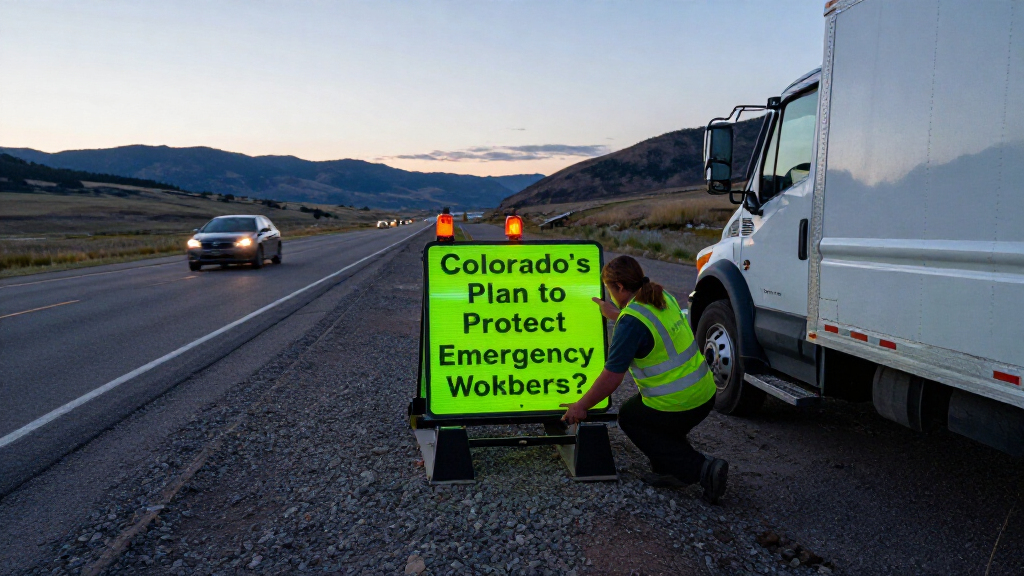
The Colorado Department of Transportation is deploying neon-liveried Ford Super Duty crash protection trucks to shield first responders at roadside emergencies. The trucks use illuminated move-over arrows and impact-absorbing attenuators, and are beginning on I-25, I-225 and I-70 near Denver. CDOT says one truck was struck on Oct. 10 while protecting responders at a crash scene.
The Colorado Department of Transportation is deploying high-visibility Ford Super Duty trucks to shield emergency workers at roadside incidents, starting on Interstate 25, Interstate 225 and Interstate 70 around Denver. The trucks use rear-facing illuminated arrows to tell drivers to move over and impact-absorbing equipment intended to reduce the danger if a vehicle hits them.
The vehicles, described as crash protection trucks, are painted in a neon-green livery designed to make them conspicuous on the shoulder. Their illuminated arrows direct approaching motorists to move away from an emergency scene. The approach adapts equipment commonly used to protect road crews during highway work to the risks faced by responders assisting people after crashes.
Each truck is also fitted with an attenuator—a reinforced, impact-absorbing structure mounted at the rear. It is intended to take some of the force of a collision if a driver strikes the truck. The equipment adds a physical protective layer; it does not remove the need for drivers to slow down and move over when approaching stopped emergency vehicles.
According to the source report, CDOT executive director Shoshana Lew said a driver struck one of the trucks on Oct. 10 while approaching a crash scene. Lew told reporters the truck “worked exactly how it was designed and protected our first responders tending to the scene.” The report does not specify the year of the Oct. 10 incident or provide details about injuries or damage.
A Buffer Between Traffic and Responders
Emergency workers at a roadside crash are exposed to passing traffic while they assist people, manage hazards and direct vehicles. A secondary collision can injure responders and people already at the scene, as well as drivers who pass through it. The trucks are intended to make the hazard more visible and place a crash-absorbing vehicle between traffic and workers.
The Oct. 10 collision described by Lew offers an example of the equipment being struck while responders were present. Her account says the truck protected them, but the report provides no further incident data to measure how much risk the program has reduced. The basic rationale is clear: move-over signals ask drivers to change course, while the attenuator provides protection if that warning is not followed.
For motorists, the deployment is a reminder that flashing lights and stopped vehicles signal a need to slow down and give responders room. A protective truck can reduce some consequences of a collision, but it is not a substitute for cautious driving around emergency scenes.
LED emergency vehicle arrow board light bar
As an affiliate, we earn on qualifying purchases.
As an affiliate, we earn on qualifying purchases.
Work-Zone Equipment Reaches Crash Scenes
Attenuators are already used in highway work zones, including on vehicles that shield crews during tasks such as roadside mowing or when a construction area is being set up. The devices are designed to absorb impact, giving workers behind the vehicle an added layer of protection. CDOT is applying that equipment to emergency scenes, where responders can be working close to moving traffic without the fixed protections of a construction zone.
The deployment also builds on a familiar roadside warning: illuminated arrows and signs directing motorists to move over. According to the source report, the first trucks are being assigned to I-25, I-225 and I-70 in the Denver area before they are sent to other parts of Colorado. The report does not describe the size of the fleet or set out a timetable for that wider rollout.
high visibility reflective safety vest for roadside workers
As an affiliate, we earn on qualifying purchases.
As an affiliate, we earn on qualifying purchases.
Rollout and Safety Results Still Unclear
The source report does not state how many trucks CDOT is deploying, when the vehicles will reach other parts of the state, or how the agency will evaluate their effect on crashes and responder injuries. It also gives no details about the Oct. 10 collision beyond Lew’s account that the truck protected responders. The year of that incident, the extent of damage and whether anyone else was injured are not specified.
It is also unclear whether CDOT plans to publish ongoing data on truck strikes, near misses or crashes at emergency scenes. Without those figures, the available account shows the equipment’s intended role and one reported collision, but not the overall results of the program.
roadside emergency warning flares LED kit
As an affiliate, we earn on qualifying purchases.
As an affiliate, we earn on qualifying purchases.
More Trucks Planned Beyond Denver
CDOT’s stated plan, as reported, is to begin with the Denver-area routes—I-25, I-225 and I-70—and then deploy the trucks to other parts of Colorado. No schedule or list of later locations was provided. Further updates from CDOT could clarify the fleet’s size, rollout timing and how the agency will track safety outcomes.
Drivers encountering a crash protection truck should follow its illuminated direction, slow down and move over when it is safe to do so. The truck’s protective equipment is intended as a backup for responders, not permission to pass an emergency scene at normal speed.
car emergency escape tool seatbelt cutter window breaker
As an affiliate, we earn on qualifying purchases.
As an affiliate, we earn on qualifying purchases.
Key Questions
What are Colorado’s crash protection trucks?
They are high-visibility Ford Super Duty trucks equipped with rear-facing illuminated arrows and impact-absorbing attenuators to protect responders at roadside incidents.
Where will the trucks be deployed first?
The initial deployment is on I-25, I-225 and I-70 around Denver, with deployment to other parts of Colorado planned afterward. No timetable for the wider rollout was reported.
What does the attenuator do?
An attenuator is a reinforced structure designed to absorb some impact if a vehicle hits the truck. It is intended to add protection for workers behind it.
Has one of the trucks already been hit?
CDOT executive director Shoshana Lew told reporters that a driver struck one on Oct. 10 while approaching a crash scene. The source report does not give the year or further details about injuries or damage.
What should drivers do when they see one?
Drivers should heed the illuminated arrows, slow down and move over when safe. The truck’s protective equipment does not replace the need to give responders and roadside scenes space.
Source: rss
Halloween Picks
halloween
As an affiliate, we earn on qualifying purchases.