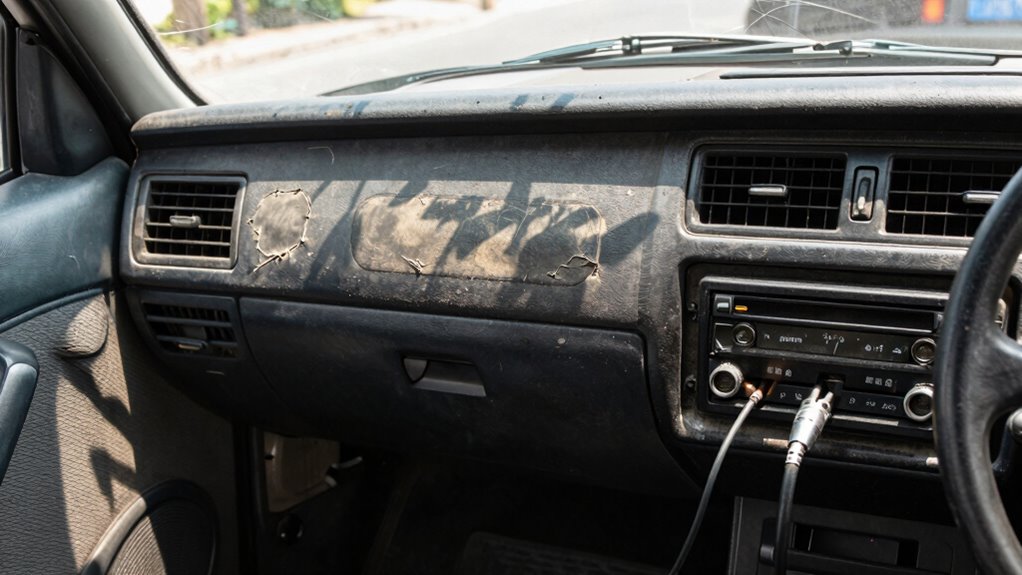

Your old car audio sounds worse because the speakers and components naturally wear out over time, which causes cracks, magnet weakening, and suspension loss. This deterioration leads to muddiness, distortion, and muffled sound, losing clarity and depth. Ignoring these issues makes the sound worse, and quick fixes or remote upgrades often make things worse if you don’t address the underlying problems. Keep going, and you’ll discover how proper maintenance and replacement can restore your system’s quality.

Get business pricing on garage and car supplies
- Business-only prices and quantity discounts
- Tax-exempt purchasing
- Multiple users, one account, clear invoices
Key Takeaways
- Speaker deterioration over time causes cracks, wear, and magnet weakening, leading to distorted and muffled sound.
- Ignoring signs of aging prevents timely replacement, worsening overall audio quality.
- Upgrading audio systems without proper compatibility can introduce distortion or damage existing components.
- Poor installation or mismatched impedance can reduce sound clarity and cause system issues.
- Regular maintenance and early speaker replacement help maintain optimal sound performance in older car audio systems.
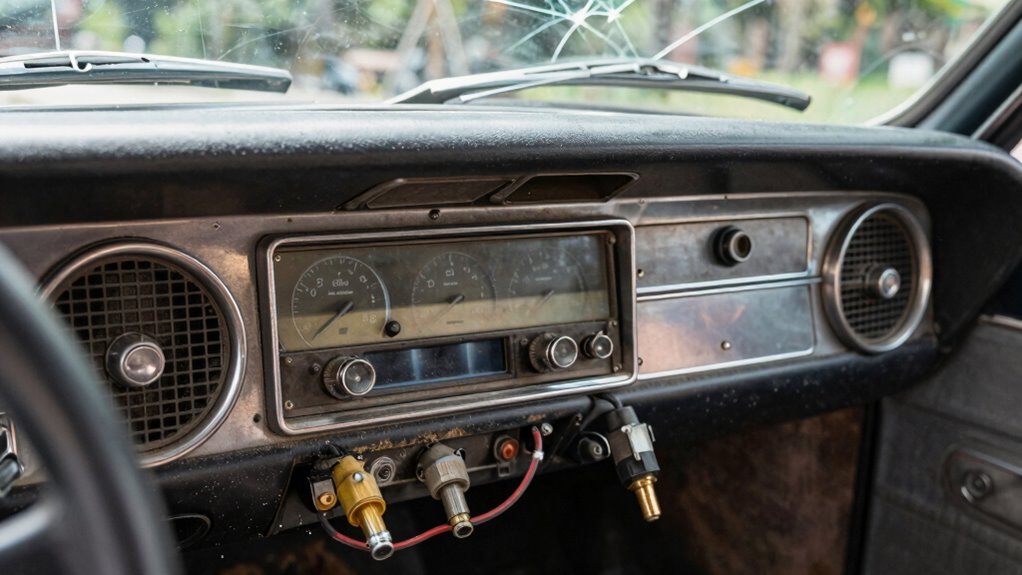
If your old car audio system no longer sounds as good as it used to, you’re not imagining things. Over time, several factors can diminish your listening experience, but two of the most common culprits are remote upgrades and speaker deterioration. As your system ages, you might think about upgrading components remotely or through DIY methods, but these remote upgrades often don’t address underlying issues. Instead, they can sometimes make your sound quality worse if not done correctly or if incompatible parts are added. Meanwhile, speaker deterioration is a natural process that quietly robs your system of clarity, bass, and overall fidelity. Over the years, speakers can wear out, develop cracks, or become misaligned, which leads to distortion, muddiness, or weak sound output. Recognizing signs of speaker deterioration early can save you time and money on unnecessary replacements. Additionally, understanding system compatibility** is crucial when considering upgrades to prevent further degradation. Being aware of the importance of proper installation** can also make a significant difference in maintaining sound quality and system longevity.
Old car speakers wear out over time, causing muddiness and distortion in sound quality.
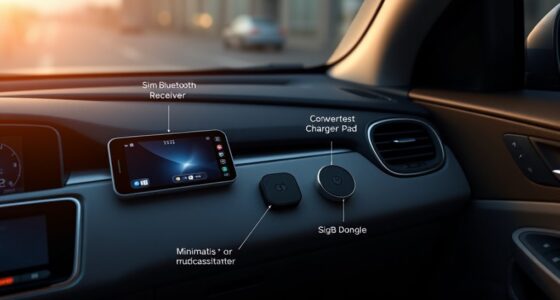
Remote upgrades seem like an attractive solution because they promise quick fixes, but they can be a double-edged sword. If you install new components without considering compatibility or the existing system’s condition, you risk introducing incompatibilities that further degrade sound quality. For example, replacing an old head unit with a newer one might seem like a simple upgrade, but if it doesn’t match the power output or impedance of your speakers, it can cause distortion or damage. Moreover, remote upgrades often focus on adding features rather than improving sound quality, which means you might end up with a lot of bells and whistles but poorer audio performance.
Speaker deterioration, on the other hand, is a straightforward but often overlooked cause of poor sound. Over time, speakers can develop tears in the cone, lose their suspension, or have their magnets weaken, all of which diminish their ability to produce accurate sound. This deterioration results in a muddy or tinny sound, lacking the richness and depth you once enjoyed. Sometimes, you’ll notice it when certain frequencies sound muffled or distorted. The problem worsens if you ignore it, leading to a cascade of sound issues throughout your system. Replacing old speakers with fresh ones is often the most effective way to restore clarity and fullness to your music. Regular maintenance and inspections can help catch these issues early before they impact your entire system.
Ultimately, both remote upgrades and speaker deterioration contribute to why your old car audio sounds worse than it should. While upgrades are tempting, they need to be approached carefully, with an understanding of your system’s limits and compatibility issues. More importantly, addressing speaker deterioration by replacing worn-out speakers can bring back the vibrant sound you’re missing. If you want your system to sound as good as new, consider inspecting your speakers first and making thoughtful upgrades that support your desired audio experience.
As an affiliate, we earn on qualifying purchases.
Frequently Asked Questions
Can Upgrading Just the Speakers Improve Overall Sound Quality Significantly?
Upgrading just the speakers can improve sound quality, but the impact depends on proper speaker placement and sound damping. If you position new speakers correctly and add damping to reduce vibrations, you’ll notice clearer, richer sound. Without these adjustments, upgraded speakers might not reach their full potential. So, for the best results, focus on ideal placement and damping alongside new speakers to truly enhance your car audio experience.
How Often Should I Replace or Upgrade My Car Audio Components?
You should consider replacing or upgrading your car audio components every 3 to 5 years, depending on speaker durability and your listening habits. Over time, speakers wear out, and audio calibration becomes less effective, leading to diminished sound quality. Regular upgrades guarantee you enjoy the best sound. Keep an eye on signs like distortion or reduced volume, and don’t forget to recalibrate your system after any upgrades for the best listening experience.
Does Road Noise Heavily Impact Sound Quality in Older Cars?
Road noise definitely impacts sound quality in older cars, making it harder to enjoy your audio. You can improve this by adding sound insulation to reduce external noise. Noise cancellation features in your audio system also help, but they’re most effective when combined with insulation. Upgrading these aspects lets you hear your music more clearly, even on noisy roads, giving you a better overall listening experience.
Are Aftermarket Amplifiers Necessary for Better Sound in Old Car Audio Systems?
You don’t always need aftermarket amplifiers for better sound in your old car audio system, but they can make a difference. Proper amplifier placement guarantees ideal sound quality, and increased power output can drive your speakers more effectively, reducing distortion. If your factory system sounds weak or muddled, upgrading with an aftermarket amplifier might be worthwhile. Just make sure the amplifier matches your system’s needs and is installed correctly for the best results.
What Are Common Wiring Issues That Degrade Sound in Vintage Car Audio Setups?
Did you know that poor wiring can cause up to 60% of audio issues in vintage systems? You might experience degraded sound due to common wiring issues like ground loops or damaged wiring insulation. Ground loops create humming noises, while frayed insulation can cause shorts or weak connections. Make sure your wiring is properly grounded, and replace any damaged insulation to restore clear, high-quality sound in your classic car audio setup.
As an affiliate, we earn on qualifying purchases.
Conclusion
So, next time your vintage car stereo sounds a bit off, remember it’s not just age—it’s the silent thieves of sound: wear, dust, and outdated parts. Think of your audio system as a delicate garden; neglect and time can turn vibrant melodies into faded echoes. But with a little care, you can breathe new life into your old setup, transforming it into a symphony that turns heads and stirs souls, proving that even vintage can sing with the right touch.
As an affiliate, we earn on qualifying purchases.
car audio system compatibility adapter
As an affiliate, we earn on qualifying purchases.
As an affiliate, we earn on qualifying purchases.
Halloween Picks
halloween
As an affiliate, we earn on qualifying purchases.