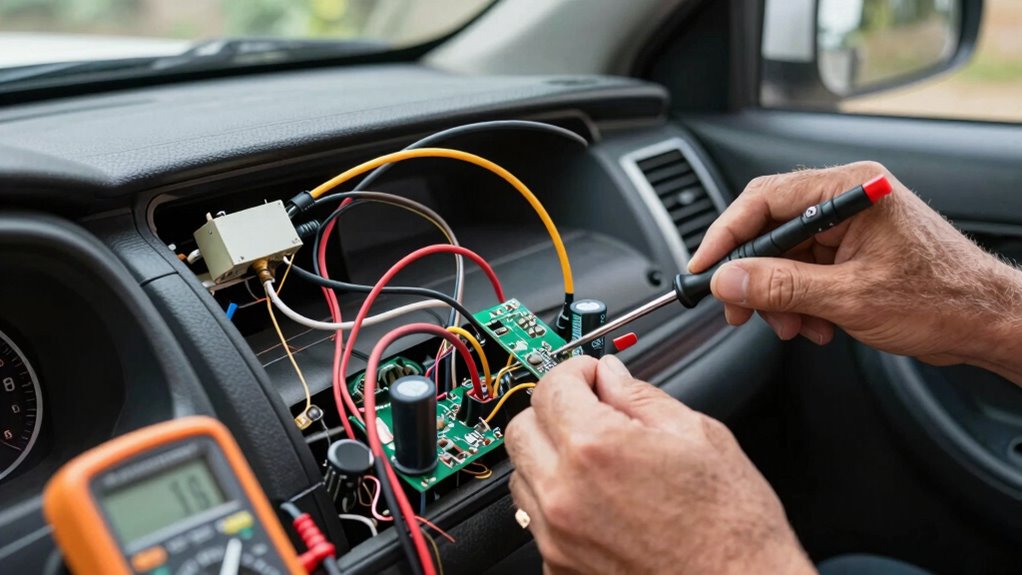

To fix power noise in your DIY car electronics setup, start by ensuring all components share a common, solid ground point with short, thick wires to avoid ground loops. Add power filters or noise suppressors near the power source and keep power and signal cables separated to prevent interference. Inspect and tighten all connections, and consider upgrading your power supply or adding a capacitor for voltage stability. Take these steps, and you’ll uncover even more effective techniques to achieve cleaner sound.
Key Takeaways
- Ensure all components share a single, solid ground point to prevent ground loops.
- Install power filters or noise suppressors near the fuse box or battery for effective noise reduction.
- Keep power and signal wires separated and twist power wires to minimize electromagnetic interference.
- Use short, high-quality ground wires and verify all connections are tight and insulated.
- Upgrade to a stable power supply or add a capacitor to reduce voltage fluctuations during engine or accessory use.

Power noise can be a frustrating issue when setting up DIY car electronics, but fortunately, it’s often fixable with some straightforward steps. One common cause of power noise is a ground loop, which occurs when multiple grounding points aren’t properly connected or share different electrical potentials. This creates a loop that picks up interference from the car’s electrical system, resulting in a humming or buzzing sound through your audio system. To fix this, you want to guarantee all your components share a common ground point. Use a thick, solid wire to connect your audio ground to the vehicle’s chassis in a single, clean spot. Avoid daisy-chaining grounds or connecting to different grounding points, as this can exacerbate ground loop issues. Proper grounding techniques are essential for maintaining signal integrity and minimizing noise.
Ensure all components share a solid, single ground point to prevent electrical interference and noise.
Power filtering plays an essential role in reducing power noise. Installing a power filter or noise suppressor helps smooth out voltage fluctuations and blocks unwanted interference from entering your audio or electronic components. You can add a power filtering device inline with your power supply line, ideally close to the main power source, such as the fuse box or battery. This device acts as a barrier against high-frequency noise signals, ensuring cleaner power reaches your electronics. When choosing a power filter, look for one rated for your system’s current and voltage requirements to maximize effectiveness. Properly rated filters are especially important when dealing with sensitive audio equipment. Using noise suppressors can significantly improve overall sound clarity.
Another practical step involves inspecting your wiring. Keep power cables and signal cables separated as much as possible to prevent electromagnetic interference. Twisting power wires together reduces the loop area and minimizes the chance of picking up noise. Additionally, make sure all connections are tight and insulated to prevent accidental disconnections or electrical shorts, which can also cause noise issues. If you’re using an amplifier, ensure it’s properly grounded and that the ground wire is as short as possible. This reduces resistance and potential ground loops that can introduce hum. Addressing ground loop issues is crucial to prevent persistent power noise in your system. Ensuring proper grounding techniques can significantly improve overall noise suppression. Proper grounding and wiring practices are key to achieving a clean and reliable setup.
Lastly, consider upgrading your power supply or battery if you notice persistent noise, especially during engine acceleration or when accessories turn on. A high-quality capacitor can also help stabilize voltage fluctuations, providing a more consistent power source for your electronics. By combining proper grounding techniques, power filtering, and diligent wiring practices, you’ll greatly reduce or eliminate power noise, resulting in clearer audio and more reliable system performance. Fixing power noise may take some trial and error, but these foundational steps will guide you toward a cleaner, noise-free setup.
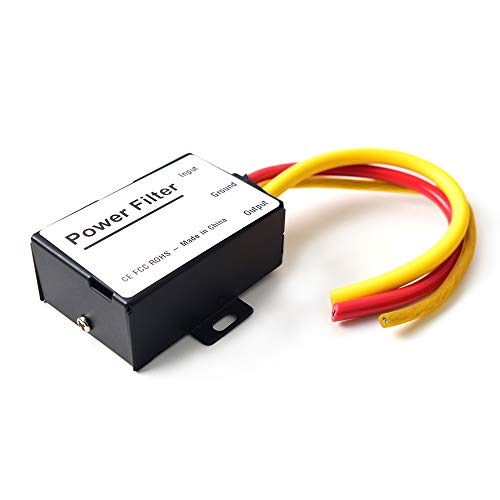
Car Power Filter EMI Noise Ground Loop Isolator Suppressor for Auto Stereo Audio Radio Stereos Amplifier Amp Speaker Equalizer Subwoofer 12V
【Car power filter】It can eliminate the EMI/Ground Loop interference in the power source caused by the other car…
As an affiliate, we earn on qualifying purchases.
As an affiliate, we earn on qualifying purchases.
Frequently Asked Questions
Can Power Noise Damage My Car’s Electronic Components?
Power noise can damage your car’s electronic components if left unchecked, especially due to grounding issues or inadequate power filtering. Noise can cause erratic operation or even hardware failure over time. To prevent this, guarantee proper grounding and install power filters to block unwanted signals. Regularly inspecting your wiring and adding filters will protect your electronics and maintain ideal performance, keeping your system safe and reliable.
What Tools Are Essential for Diagnosing Power Noise Issues?
You’ll need an oscilloscope for troubleshooting power noise issues, as it helps you visualize noise patterns and identify sources like ground loops. A multimeter is also essential to check voltage levels and continuity. Use the oscilloscope to detect irregular signals and trace noise back to its origin. Ground loop issues often cause persistent noise; addressing these with proper grounding techniques can substantially reduce interference in your car’s electronic system.
How Long Does It Typically Take to Fix Power Noise Problems?
You can usually fix power noise in about a few hours, but it depends on the problem. If you suspect a ground loop, you’ll need to identify and disconnect the loop, which takes some time. Adding capacitor filtering helps reduce noise quickly, often within an hour. However, troubleshooting thoroughly and testing different solutions might extend the process, especially if you need to fine-tune your setup for best performance.
Are There Any Safety Concerns When Working With Car Electronics?
When working with car electronics, safety is essential. You should always prioritize battery safety by disconnecting the battery before starting. Proper grounding techniques help prevent electrical shorts and reduce noise problems. Avoid working near moving engine parts or hot surfaces, and wear protective gear. If you’re unsure, consult a professional. Always follow manufacturer instructions and safety guidelines to avoid injuries or damage to your vehicle’s electrical system.
Will Fixing Power Noise Improve Overall Audio Quality?
Fixing power noise can considerably improve your audio quality, often reducing noise by up to 80%. When you address issues like ground loops and implement shielding techniques, you eliminate interference that causes distortion. This results in clearer sound and a more enjoyable listening experience. By focusing on proper ground connections and shielding cables, you guarantee your system runs smoothly, enhancing overall audio performance and reducing frustrating hums or static.

BESIGN Ground Loop Noise Isolator for Car Audio/Home Stereo System with 3.5mm Audio Cable
Ground loop filter noise isolator, eliminating the hiss, buzz and interference caused by ground loops which happens when…
As an affiliate, we earn on qualifying purchases.
As an affiliate, we earn on qualifying purchases.
Conclusion
Dealing with power noise can be frustrating, but with these tips, you can considerably improve your car’s electronics. Remember, a clean power supply not only enhances performance but also extends the lifespan of your components. Did you know that electrical noise can reduce your system’s efficiency by up to 30%? By taking the time to fix these issues now, you’re ensuring a smoother, more reliable setup that keeps your drives enjoyable and stress-free.

Conext Link RCA Stereo 2 Channel Ground Loop Isolator Signal Noise Filter Suppressor Reducer Alternator for Car Audio Stereo(13600)
Eliminates Humming and Buzzing Between Audio Source and Amplifier Due to Ground Loop Issues
As an affiliate, we earn on qualifying purchases.
As an affiliate, we earn on qualifying purchases.
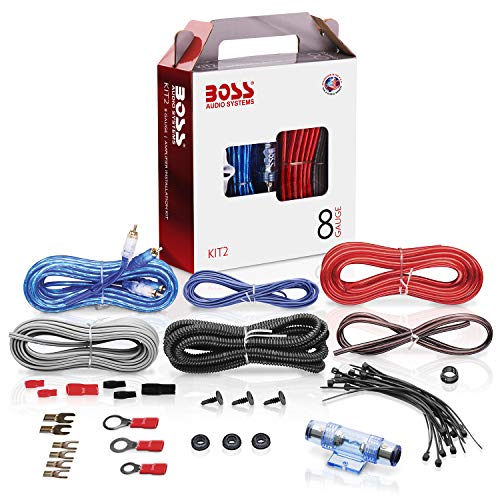
BOSS Audio Systems KIT2 8 Gauge Complete Car Amplifier Installation Wiring Kit with Power Cables, Ground Cables, Turn-On Wire, Speaker Wire, Terminals
Complete Car Amp Wire Setup: Complete 8-gauge wiring kit for car audio amplifier installation; 20, 4-inch wire ties;…
As an affiliate, we earn on qualifying purchases.
As an affiliate, we earn on qualifying purchases.