TL;DR
Open a free Amazon Business account
Business pricing, bulk buying and tax-exempt orders.
Create a free accountAs an affiliate, we earn on qualifying purchases.
Brussels Airport has begun testing an electric autonomous vehicle for cargo transport within its facilities. The trial aims to improve efficiency and reduce emissions. Details on deployment scale and outcomes are still emerging.
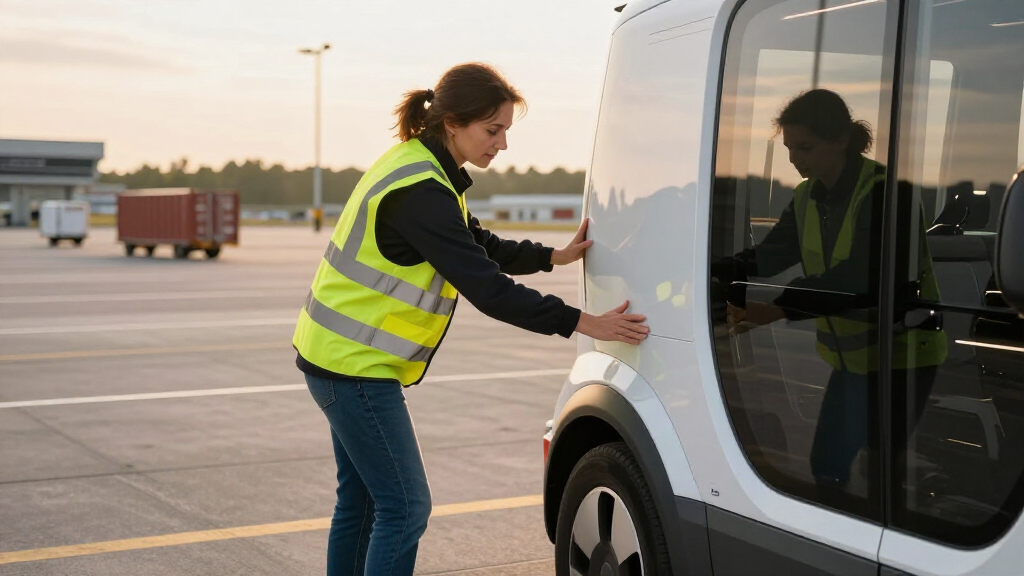
Brussels Airport has launched a trial of an electric autonomous vehicle to carry cargo within its premises, marking a significant step toward automation and sustainability in airport logistics. The test, announced by the airport authorities, aims to evaluate the vehicle’s performance in real operational conditions and assess its potential for future deployment. This development is notable because it represents one of the first large-scale efforts by a European major airport to incorporate autonomous electric vehicles into its cargo handling processes, with implications for efficiency, emissions, and labor.
The electric autonomous vehicle, developed by a leading mobility technology firm, is currently being tested in a controlled environment at Brussels Airport. The vehicle is designed to transport cargo pallets between storage areas, sorting zones, and aircraft loading points without human drivers. According to the airport’s press release, the vehicle features advanced sensors, GPS navigation, and AI-powered obstacle detection to operate safely among other vehicles and airport personnel. The trial began in late March 2024 and is expected to run for several months to gather data on operational reliability, safety, and integration with existing logistics systems.
Brussels Airport has emphasized that the project aligns with its broader sustainability goals, including reducing greenhouse gas emissions and improving operational efficiency. The vehicle is fully electric, with a range suitable for daily airport operations, and is part of a broader initiative to explore innovative solutions for cargo handling. Officials from Brussels Airport Authority stated that the trial will help determine whether autonomous vehicles can replace or supplement traditional diesel-powered trucks used within the airport grounds, which currently contribute to local pollution and noise.
While the trial is still in its early stages, initial feedback from airport staff involved in the testing has been positive. The vehicle has successfully navigated designated routes, avoided obstacles, and integrated with the airport’s cargo management system. The airport plans to evaluate the results thoroughly before considering broader deployment or scaling up the technology’s use across other operational areas.
Potential Impact on Airport Logistics and Sustainability
This trial at Brussels Airport is significant because it demonstrates a move toward automated, electric cargo transport in a major European hub. Successfully integrating autonomous vehicles could reduce operational costs, improve safety, and cut emissions, aligning with broader industry trends toward green and digital transformation. If proven effective, this technology could set a precedent for other airports and logistics providers seeking to modernize and decarbonize their operations, potentially transforming the future of air cargo handling.
As an affiliate, we earn on qualifying purchases.
Background on Automation and Sustainability in Airport Operations
Over recent years, airports worldwide have increasingly explored automation and electric mobility to enhance efficiency and environmental performance. Major airports, including Schiphol, Frankfurt, and Heathrow, have tested or implemented various autonomous systems for passenger movement and ground support. However, the use of autonomous electric vehicles specifically for cargo operations remains relatively limited, with most efforts still in pilot phases. Brussels Airport’s initiative reflects a broader push within the logistics sector to adopt cleaner, smarter solutions amid rising regulatory and societal pressure to reduce carbon footprints.
The concept of autonomous cargo vehicles is not new, but practical deployments are still emerging. Prior trials have focused on small-scale or indoor environments, with few examples of full-scale, outdoor operations at busy airports. Brussels Airport’s test is among the more prominent efforts in this space, supported by developments in AI, sensor technology, and battery systems that enable safe and reliable autonomous driving in complex environments.
“This trial is an important step toward modernizing our cargo operations and reducing our environmental impact.”
— Brussels Airport spokesperson
As an affiliate, we earn on qualifying purchases.
Unclear Long-Term Deployment and Broader Impact
It remains unclear whether the autonomous electric vehicle will be adopted on a large scale at Brussels Airport or other airports. Details about the full scope of deployment, cost-effectiveness, and integration challenges are still to be determined. Additionally, regulatory approvals and safety standards for autonomous cargo vehicles in busy airport environments are evolving, which could influence future adoption.
As an affiliate, we earn on qualifying purchases.
Next Steps in Testing and Evaluation Phases
Brussels Airport plans to continue the trial over the coming months, collecting data on operational performance, safety, and environmental benefits. The airport authorities will analyze the results to decide whether to expand the use of autonomous electric vehicles within their cargo handling system. Further testing may include more complex routes, integration with other automated systems, and assessments of scalability. Industry observers will watch closely to see if this pilot leads to broader adoption across European airports.
As an affiliate, we earn on qualifying purchases.
Key Questions
What are the main benefits of using autonomous electric cargo vehicles at airports?
They can improve operational efficiency, reduce labor costs, lower emissions, and enhance safety by minimizing human error in cargo handling processes.
Are there safety concerns with autonomous vehicles operating in busy airport environments?
Yes, safety is a primary focus, and vehicles are equipped with advanced sensors, AI, and obstacle detection systems. Ongoing testing is aimed at ensuring safe integration with airport personnel and other vehicles.
When might autonomous cargo vehicles be widely adopted at airports?
It depends on the outcomes of current trials, regulatory approvals, and cost considerations. Widespread adoption could take several years, contingent on pilot success.
Will this technology replace human workers in cargo operations?
Initially, autonomous vehicles are expected to supplement human workers, handling repetitive or hazardous tasks. Complete replacement is unlikely in the near term but could evolve over time.
How does this initiative align with broader environmental goals?
Using electric vehicles reduces greenhouse gas emissions and noise pollution, supporting airports’ commitments to sustainability and cleaner operations.
Source: local
Flea & tick season Picks
flea and tick prevention
As an affiliate, we earn on qualifying purchases.