
TL;DR

Get business pricing on garage and car supplies
- Business-only prices and quantity discounts
- Tax-exempt purchasing
- Multiple users, one account, clear invoices
Cars today collect detailed personal data, from location to biometric info, often without driver awareness. New regulations will expand data collection, raising privacy and security concerns. The full impact is still unfolding.
Modern cars are collecting an unprecedented volume of personal data, including location, biometric indicators, and behavioral patterns, often without driver knowledge or explicit consent. This data collection is driven by both industry practices and upcoming regulations that will mandate more intrusive monitoring systems, raising significant privacy concerns for consumers.
Recent investigations reveal that many vehicles equipped with internet connectivity and sensors transmit detailed data to manufacturers and third parties. These include location history, facial expressions, weight, age, and even inferred psychological states. A 2023 Mozilla analysis found all major car brands reviewed failed to meet basic privacy standards, with some policies suggesting the collection of highly sensitive information, such as health and sexual activity data.
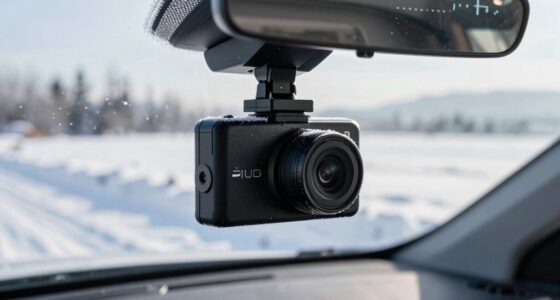
Legislation set to take effect in the United States will require automakers to install infrared biometric cameras and other sensors to monitor driver behavior, such as eye movements and body language, to detect impairment or fatigue. While intended to improve safety, this expansion of data collection raises questions about how this information will be used, stored, or sold, with no clear regulations limiting data usage.
Why It Matters
This development matters because the extensive data collection can lead to privacy violations, increased surveillance, and potential misuse of personal information. Insurance companies are already using some of this data to adjust premiums, and the lack of transparency about data sharing practices raises concerns about consumer rights and security. As connected cars become more prevalent, the scope of personal monitoring is likely to grow, affecting individual freedoms and privacy.
privacy screen for car dashboard
As an affiliate, we earn on qualifying purchases.
As an affiliate, we earn on qualifying purchases.
Background
Connected vehicle technology has rapidly expanded over the past decade, with estimates indicating that by 2030, over 95% of cars will have internet access. Previous reports, including a 2023 Mozilla review, highlighted widespread privacy violations across major brands. US regulators have begun scrutinizing practices like location data sales, with companies such as GM, Honda, and Hyundai under investigation for alleged data misuses. The upcoming regulations on biometric monitoring are part of a broader trend toward increased vehicle automation and data-driven safety systems.
“People would be surprised at the number of data points that their car collects and transmits to other people, either the manufacturer or third-party applications.”
— Darrell West, Brookings Institute
“Kia has never collected data on drivers’ sex lives or health. These details appear in policies because of legal definitions, not actual data collection.”
— Kia spokesperson James Bell
biometric driver monitoring camera
As an affiliate, we earn on qualifying purchases.
As an affiliate, we earn on qualifying purchases.
What Remains Unclear
It remains unclear exactly how much data is currently being sold or shared without consent, and how effectively new laws will regulate these practices. Details about specific data types collected and used by third parties are still emerging, and consumer awareness remains low.
car data privacy protection device
As an affiliate, we earn on qualifying purchases.
As an affiliate, we earn on qualifying purchases.
What’s Next
Regulatory agencies are expected to finalize and enforce new privacy laws requiring biometric and behavioral monitoring systems. Automakers will likely expand data collection capabilities, and ongoing investigations may lead to stricter oversight and potential penalties for violations. Public awareness campaigns and legal challenges could also shape future policies.
As an affiliate, we earn on qualifying purchases.
Key Questions
What types of data do modern cars collect about drivers?
They collect location data, biometric information such as facial expressions and eye movements, behavioral patterns like braking and acceleration, and potentially sensitive data like health or sexual activity, depending on the policy disclosures.
Are car companies allowed to sell my data?
Many companies reserve the right to sell or share data, and investigations have shown some have done so without explicit consumer consent. Laws are evolving to better regulate these practices.
How will upcoming regulations affect data collection?
New laws will require biometric and behavioral monitoring systems to enhance safety, but they also expand the scope of data collected. The impact on privacy depends on how strictly these regulations are enforced and how companies implement them.
Can I limit the data my car collects?
Options vary by manufacturer, but drivers can often disable certain features or opt out of data sharing with insurance companies. However, many data collection practices are embedded in the vehicle’s systems and may not be fully controllable.
Source: Hacker News
Fall Picks
fall essentials
As an affiliate, we earn on qualifying purchases.