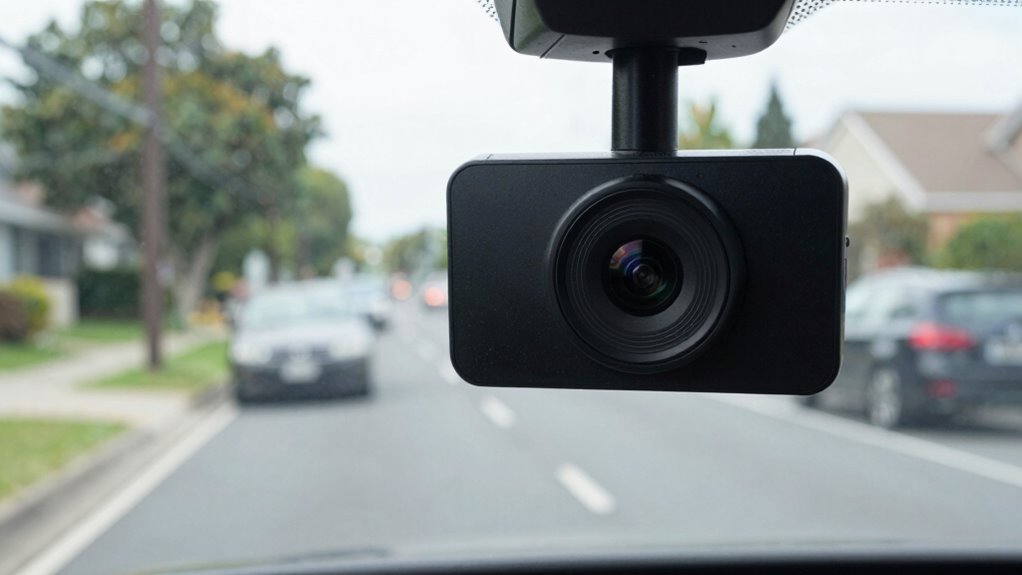
Recorded footage in low-speed incidents is key because it provides clear, unbiased evidence of what actually happened, reducing disputes and speeding up claims. It can reveal overlooked details, like traffic signals or driver behavior, and is often favored in legal procedures. Even minor accidents can benefit from visual proof, helping you avoid unnecessary trouble down the road. Staying prepared with footage guarantees you have accurate documentation, and if you keep exploring, you’ll discover more about its many advantages.
Key Takeaways
- Even low-speed incidents can cause disputes; footage provides clear, objective evidence to resolve them quickly.
- Recorded footage can reveal overlooked details like traffic signals or distractions, influencing fault determination.
- Visual proof helps prevent false claims and protects against false accusations in minor accidents.
- High-quality recordings establish a factual timeline, aiding legal and insurance processes.
- Capturing minor incidents ensures accurate documentation, reducing delays and disputes later.
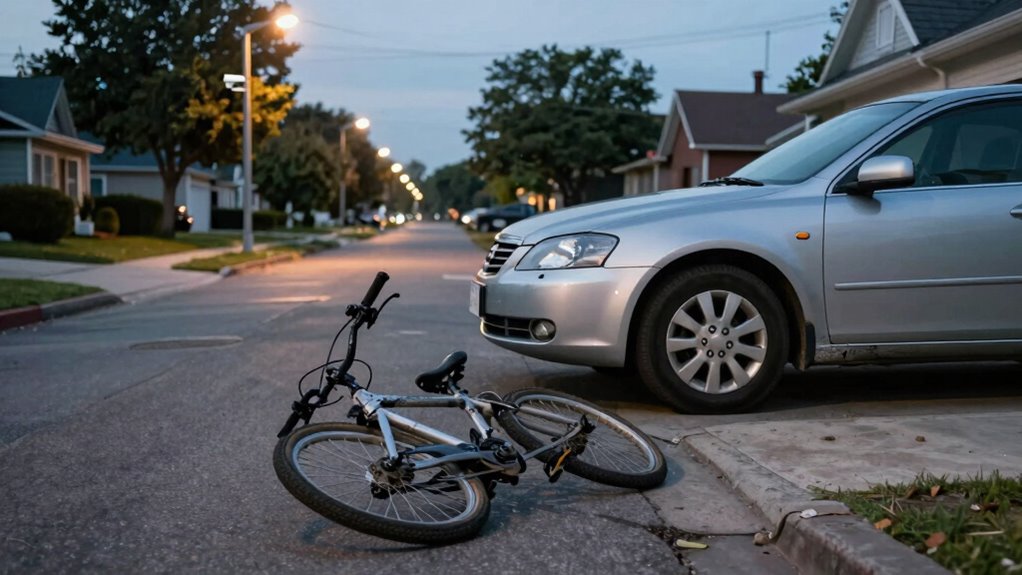
Recorded footage plays a crucial role in low-speed incidents by providing clear, unbiased evidence of what actually happened. Even when accidents seem minor or insignificant, having video proof can make a huge difference in how the situation unfolds, especially when dealing with insurance claims. You might think that because the damage is minimal or the collision was slow, there’s no need for recordings. However, footage can clarify who was at fault, prevent false claims, and speed up the entire claims process. Insurance companies often rely heavily on visual evidence to determine liability, and having high-quality footage can be the deciding factor in settling disputes quickly and fairly. Without it, you might find yourself facing unnecessary delays or contested claims, which can be frustrating and costly.
Beyond insurance, recorded footage also holds significant weight as legal evidence. In disputes or legal proceedings, courts tend to favor objective, visual proof over verbal accounts or conflicting recollections. If you’re involved in a low-speed incident that results in disagreements or allegations, the footage you captured can serve as irrefutable proof of what transpired. This can protect you from false accusations, help establish facts, and support your case in court or during settlement negotiations. The reliability of visual evidence underscores its importance in legal and insurance contexts. Additionally, recording incidents can help provide context that might otherwise be overlooked or forgotten over time.
You might also underestimate the importance of recording even minor accidents because you believe they’re too trivial to warrant documentation. But in reality, recording footage at the scene can save you time and legal trouble later on. It’s a simple, proactive step that provides peace of mind, knowing that you have an accurate account of the incident. Whether it’s a minor fender-bender or a rear-end collision at a low speed, the footage acts as a trustworthy witness. It can reveal details that might otherwise go unnoticed, such as who was in the correct lane, whether traffic signals were obeyed, or if someone was distracted or inattentive. Visual evidence can be especially valuable in situations where witness accounts conflict or are unavailable. Moreover, having documented footage can directly influence the outcome of insurance or legal proceedings by establishing a clear timeline and sequence of events.

REDTIGER 4K Dash Cam Front Rear, STARVIS 2 Sensor, Free Card Included, 5.8GHz WiFi-20MB/s Fast Download, Dash Camera for Cars with GPS, WDR Night Vision, 170°Wide Angle, 24H Parking Mode(F7NP)
[4K+1080P Front & Rear Recording] REDTIGER F7NP dash cam captures every detail with stunning 4K front and 1080P…
As an affiliate, we earn on qualifying purchases.
As an affiliate, we earn on qualifying purchases.
Frequently Asked Questions
Can Recorded Footage Help Reduce Insurance Premiums?
Yes, recorded footage can help reduce your insurance premiums. When you provide clear evidence of an accident, insurers are more likely to offer insurance discounts and a premium reduction, as it minimizes misunderstandings and fraudulent claims. By regularly recording your drives, you demonstrate responsible behavior, which insurers reward with lower rates. This proactive approach not only speeds up claims but also helps you maintain more affordable insurance costs over time.
How Does Footage Assist in Resolving Disputes?
You might find it surprising, but footage plays a big role in resolving disputes. Clear video quality guarantees evidence reliability, helping you prove your side convincingly. When you have sharp, reliable footage, it minimizes misunderstandings, making disputes easier to settle. Coincidentally, that clarity could save you time and stress, giving you solid proof that supports your claims and clarifies the incident’s details, ultimately leading to fair resolutions.
What Legal Rights Do Drivers Have Regarding Footage?
You have the legal right to access footage captured by dashcams or surveillance cameras, but driver privacy laws may restrict how this footage is used or shared. Confirm the footage’s authenticity, as tampering could compromise its credibility in legal proceedings. You can request copies of recordings, but authorities or other parties might need a warrant or proper authorization, especially if privacy concerns or sensitive information are involved.
How Long Is Recorded Footage Typically Stored?
You might wonder how long your footage is stored, and the answer varies. Typically, storage duration depends on the device and local laws, but most systems retain data for 30 to 90 days. Data retention policies can change, and some organizations keep footage longer if needed for investigations. Keep in mind, once that period ends, your footage could be overwritten, so act swiftly if you need to preserve important evidence.
Can Footage Be Used in Court for Low-Speed Accidents?
Yes, footage can be used in court for low-speed accidents. High video quality and accessible footage are vital because they help clearly show the incident details. If the footage is blurry or hard to access, it might weaken your case. Ensuring your cameras record in good quality and that you can retrieve the footage easily increases the chances of it being helpful as evidence in court.
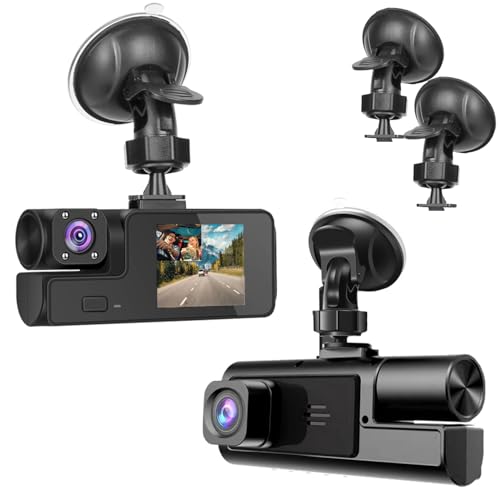
1080P Dual Dash Camera for Car Front and Inside Dashcam Car Security Video Recorder,170°Wide Angle Vehicle Cam,WDR,G-Sensor,2’’ IPS Screen,Loop Recording,Night Vision (Dual Dash Cam Without Card)
【1080P Front and Inside Dash Cam 】Super Clear 1920*1080P pictures can be provided by the small cam. The…
As an affiliate, we earn on qualifying purchases.
As an affiliate, we earn on qualifying purchases.
Conclusion
You might think recorded footage isn’t vital in low-speed incidents, but it can be a game-changer. It provides undeniable evidence that can clarify misunderstandings or false claims, saving you time and stress. Some theories suggest that even minor collisions can reveal hidden truths when reviewed carefully, highlighting the significance of footage. Ultimately, having that footage isn’t just about proving fault — it’s about protecting yourself and ensuring fairness in every encounter.
REDTIGER 4K Dash Cam Front Rear, STARVIS 2 Sensor, Free Card Included, 5.8GHz WiFi-20MB/s Fast Download, Dash Camera for Cars with GPS, WDR Night Vision, 170°Wide Angle, 24H Parking Mode(F7NP)
[4K+1080P Front & Rear Recording] REDTIGER F7NP dash cam captures every detail with stunning 4K front and 1080P…
As an affiliate, we earn on qualifying purchases.
As an affiliate, we earn on qualifying purchases.

The Dash Cam Lawyer® Dash Shield Pro – 4K + 2K Dual Dash Cam Front & Rear, Attorney-Designed for Accident Evidence, Super Night Vision, Built-in GPS + WiFi, Parking Mode
DUAL 4K + 2K ULTRA HD RECORDING – Crystal-clear footage of every angle. Front camera captures 4K resolution;…
As an affiliate, we earn on qualifying purchases.
As an affiliate, we earn on qualifying purchases.