
Tire pressure tech matters more on long highway drives because it helps you stay safe and save fuel over hundreds of miles. Properly monitored pressure guarantees your tires handle well, wear evenly, and reduce the risk of blowouts or accidents. Technology like sensors provides real-time alerts, so you can react quickly to pressure drops. Combining this with proper inflation techniques keeps your trip smooth and safe—if you continue, you’ll discover how to maximize these benefits.
Open a free Amazon Business account
Business pricing, bulk buying and tax-exempt orders.
As an affiliate, we earn on qualifying purchases.
Key Takeaways
- Continuous tire pressure monitoring ensures early detection of pressure loss during long trips.
- Properly inflated tires improve fuel efficiency and reduce the risk of blowouts on highways.
- Tire sensors provide real-time alerts, enabling quick responses to safety hazards.
- Maintaining correct pressure minimizes uneven tire wear over extended distances.
- Combining sensors with proper inflation techniques enhances overall vehicle stability and safety on long journeys.
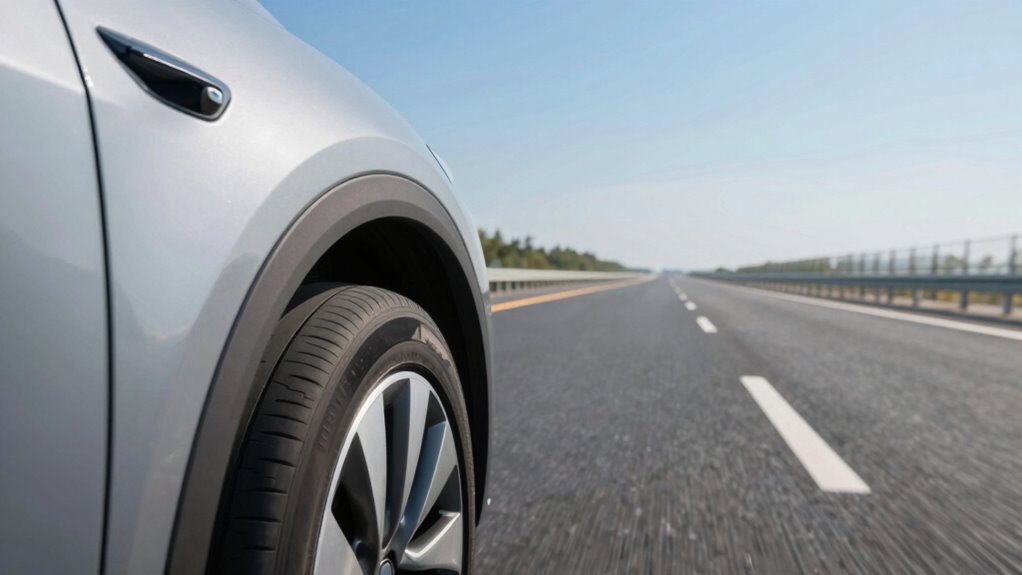
Ever wondered how maintaining proper tire pressure can make your long highway drives safer and more efficient? It’s a simple question with a straightforward answer: correct tire pressure guarantees better handling, improved fuel economy, and reduces the risk of sudden blowouts. When you’re on the road for hours, small issues with your tires can turn into major safety hazards. That’s where tire pressure sensors come into play. These devices continuously monitor your tire’s pressure, alerting you if it drops below the suitable level. Being aware of your tire pressure at all times allows you to react quickly, whether by stopping to inflate or adjusting your driving to prevent further pressure loss.
On long trips, maintaining the right tire pressure isn’t just about convenience; it’s about safety and efficiency. Overinflated tires can lead to a rougher ride and quicker tire wear, while underinflated tires increase rolling resistance, reduce fuel efficiency, and make your vehicle more prone to accidents. Using tire pressure sensors takes the guesswork out of monitoring your tires, giving you real-time data that helps you make informed decisions. These sensors, often integrated into modern vehicles or available as aftermarket accessories, send continuous feedback to your dashboard or smartphone app. This constant stream of information lets you keep your tires at their ideal pressure, even during extended drives.
Tire pressure sensors provide real-time data, ensuring safety and efficiency on long drives.
Inflation techniques are equally crucial for long highway journeys. When you notice your tire pressure is low, you need to know how to properly inflate your tires. Using a reliable pressure gauge helps you get an accurate reading before adding air. It’s best to inflate your tires when they are cold, ideally before starting your trip or after the vehicle has been parked for a few hours. Follow your vehicle’s recommended psi, usually found on a sticker inside the driver’s door. Don’t just rely on the automatic inflation stations; take the time to check and adjust your tire pressure carefully. Overinflating or underinflating can compromise your safety and worsen tire wear, so precise inflation techniques matter. Additionally, understanding the importance of tire pressure monitoring technology can further enhance your safety and peace of mind on long journeys.
In the end, long highway drives demand extra attention to tire pressure, and technology makes it easier than ever. Tire pressure sensors serve as your vigilant helpers, constantly watching over your tires’ condition. Coupled with proper inflation techniques, they ensure your tires stay at the right pressure, delivering a safer, more efficient, and more comfortable journey. Staying proactive about tire maintenance isn’t just smart — it’s essential for any long-distance traveler.
As an affiliate, we earn on qualifying purchases.
Frequently Asked Questions
How Often Should I Check Tire Pressure During a Long Trip?
You should check your tire pressure at least once every 2-3 hours during a long trip. Regular tire maintenance is essential for maximum road safety, preventing blowouts, and ensuring fuel efficiency. Keep an eye on your tires, especially if you notice any changes in temperature or driving conditions. Staying vigilant with tire pressure helps you avoid accidents and maintains your vehicle’s performance throughout the journey.
Can Incorrect Tire Pressure Affect Fuel Efficiency Significantly?
Incorrect tire pressure acts like a leaky faucet, slowly draining your fuel efficiency. When your tires aren’t properly monitored, your engine works harder to keep you moving, wasting fuel. Tire pressure monitoring is essential—think of it as your car’s health check-up. Follow fuel economy tips like maintaining proper pressure, and you’ll cruise farther on less fuel. Keep your tires at the right pressure, and your wallet will thank you.
What Are the Signs of Under-Inflated Tires While Driving?
You’ll notice under-inflated tires if your steering feels heavy or there’s a vibration while driving. Tire pressure sensors help detect this early, alerting you to low pressure. Keep an eye on road hazard awareness; sharp objects can cause deflation. Properly inflated tires improve handling, safety, and fuel efficiency. Regularly check your tire pressure to avoid potential accidents or damage, especially during long highway drives where risks are higher.
How Does Temperature Impact Tire Pressure on Highway Drives?
Temperature turns tire pressure turbulent, causing fluctuations that can mislead you. As highway heat hikes, inflated tires expand, risking overpressure; when cooled, pressure drops, risking under-inflation. Modern tire pressure tech relies on temperature sensor calibration to accurately monitor these changes. By understanding temperature’s impact, you can prevent tire trouble, maintain ideal pressure, and guarantee safe, smooth sailing on long highway drives.
Is It Necessary to Recalibrate Tire Pressure After a Long Drive?
Yes, you should recalibrate your tire pressure after a long drive. Temperature changes during highway trips can cause tire pressure to fluctuate, affecting tire pressure maintenance. Properly checking and adjusting your tires ensures maximum road trip safety, reducing the risk of blowouts or uneven wear. Maintaining correct tire pressure helps your vehicle perform better and extends tire life, making your journey safer and more comfortable.
As an affiliate, we earn on qualifying purchases.
Conclusion
Keeping your tire pressure in check on long highway drives isn’t just a good idea—it’s essential. Properly inflated tires improve fuel efficiency, ensure better handling, and reduce the risk of breakdowns. When you pay attention to your tire tech, you’re steering clear of potential issues down the road. Remember, a stitch in time saves nine, so don’t wait until it’s too late. Stay vigilant, and your journey will be smooth sailing from start to finish.
TPMS tire pressure monitoring system
As an affiliate, we earn on qualifying purchases.
As an affiliate, we earn on qualifying purchases.
portable air compressor for tires
As an affiliate, we earn on qualifying purchases.
As an affiliate, we earn on qualifying purchases.
Fall Picks
fall essentials
As an affiliate, we earn on qualifying purchases.