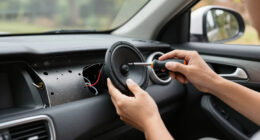
Relying on aftermarket safety gadgets can be risky because software glitches and hardware failures may cause them to malfunction unexpectedly. These devices can give a false sense of security, leaving you vulnerable during emergencies when they fail or provide incorrect readings. Over time, components like sensors and wiring can wear out or break, making you overly dependent on imperfect technology. To stay safe, it is crucial to understand these risks—if you keep exploring, you’ll find out more about protecting yourself effectively.

Get business pricing on garage and car supplies
- Business-only prices and quantity discounts
- Tax-exempt purchasing
- Multiple users, one account, clear invoices
Key Takeaways
- Software glitches can cause safety devices to malfunction or disable unexpectedly, reducing reliability during emergencies.
- Hardware failures from wear, damage, or poor installation increase the risk of critical system failure.
- Over-reliance on aftermarket gadgets may create false security, leaving users vulnerable if devices malfunction.
- Non-factory components are more prone to unpredictable failures, complicating diagnosis and repairs.
- Regular updates and maintenance can’t guarantee complete safety, so users must remain cautious and prepared.

Have you ever relied on technology only to find it backfiring in the worst way? It’s a frustrating experience that can shake your confidence in even the most trusted gadgets. When it comes to aftermarket safety devices, the stakes are even higher. These gadgets promise to protect you, but they can sometimes cause more harm than good. The trouble often starts with software glitches or hardware failures, which can compromise their effectiveness at the worst possible moment.
Software glitches are a common problem. Even the most meticulously designed safety gadgets depend on complex code that’s vulnerable to bugs or errors. A minor glitch can cause the device to malfunction, disable itself, or provide false readings. Imagine your car’s aftermarket brake assist system suddenly misfiring because of a software bug, or your home alarm system ignoring a real threat because of a glitch. These issues aren’t always obvious until the device fails when you need it most. Sometimes, a simple software update can fix the problem, but other times, the glitch persists, leaving you unprotected or worse, falsely reassured.
Software glitches can cause safety devices to malfunction or give false readings when you need them most.
Hardware failures are just as problematic. Aftermarket safety gadgets often involve additional sensors, cameras, or electronic components that aren’t as reliable as the original factory-installed parts. Over time, these components can wear out or become damaged, especially if they aren’t installed correctly or aren’t built to withstand daily wear and tear. For example, a faulty sensor in a dashcam or a defective wiring connection in a backup camera can result in a total failure when you rely on it during critical moments. Hardware failures are often unpredictable and difficult to diagnose quickly, leaving you vulnerable when you need safety the most. Additionally, reliance on non-factory components can increase the risk of unexpected malfunctions, further emphasizing the importance of understanding device limitations.
Relying solely on aftermarket safety gadgets without understanding their limitations can lead to dangerous situations. When software glitches strike or hardware fails, your safety net disappears just when you need it most. It’s essential to keep these devices updated and regularly maintained, but even then, they aren’t foolproof. Technology can give you a false sense of security, and that false sense can be deadly if you’re not prepared for it to fail. Always remember that no gadget is perfect, and your best defense remains your own awareness and caution. Don’t assume that technology will always save you—be ready to act, even if your safety gadgets decide to let you down.
car aftermarket brake assist system
As an affiliate, we earn on qualifying purchases.
As an affiliate, we earn on qualifying purchases.
Frequently Asked Questions
How Can Consumers Identify Reliable Aftermarket Safety Gadgets?
You can identify reliable aftermarket safety gadgets by checking for product certification from trusted organizations, guaranteeing they meet safety standards. Read user reviews to gauge real-world performance and reliability. Look for brands with a good reputation and transparent information about their safety features. Avoid gadgets with little information or negative reviews, and always prioritize certified products to ensure your safety isn’t compromised.
What Are the Legal Liabilities for Manufacturers of Faulty Safety Devices?
Think of manufacturers as guardians of trust, bearing the weight of liability for faulty safety devices. If they produce defective products, they face legal liabilities, including lawsuits and compensation claims. They must maintain liability insurance to cover damages and conduct product recalls swiftly to protect consumers. Ignoring these responsibilities can lead to severe legal consequences, damaging their reputation and exposing them to financial ruin. Your safety depends on manufacturers upholding their duty to guarantee reliability.
How Do Aftermarket Gadgets Impact Existing Vehicle Warranties?
Aftermarket gadgets can void your vehicle’s warranty if they cause damage or interfere with the system, raising warranty concerns. Manufacturers may refuse repairs if they find these gadgets aren’t compatible with your vehicle or if installation led to issues. Always check gadget compatibility and understand the warranty terms before installing aftermarket safety devices, so you don’t unintentionally jeopardize your coverage or face costly repairs later.
Are There Government Regulations for Aftermarket Safety Gadgets?
Like a vigilant guardian, government regulations stand watch over aftermarket safety gadgets, ensuring your protection. Regulatory oversight enforces certification standards, making sure these devices meet safety benchmarks before hitting the market. While some gadgets slip through unregulated, authorities aim to protect you from potential hazards. By adhering to these standards, you’re safeguarded against malfunction and danger, allowing you to trust that your vehicle’s safety equipment is built to serve and shield you effectively.
What Steps Should Users Take if a Safety Gadget Malfunctions?
If a safety gadget malfunctions, prioritize your safety first. Immediately stop using the device and disconnect it if possible. Contact the manufacturer or seller for guidance and report the issue to relevant authorities if necessary. Keep detailed records of the malfunction, including photos or videos. Stay alert to any warning signs, and consider consulting a professional to assess the device’s safety before resuming use. Your proactive response guarantees your safety and helps prevent further risks.
home security alarm system with false alarm prevention
As an affiliate, we earn on qualifying purchases.
As an affiliate, we earn on qualifying purchases.
Conclusion
So, while aftermarket safety gadgets promise extra peace of mind, they can sometimes lead you down a winding road of unintended surprises. It’s wise to remember that no system is foolproof—there’s always a chance for a gentle misstep. Staying informed and cautious keeps your journey smooth. After all, a little extra vigilance acts as a friendly guiding hand, helping you navigate the twists and turns of technology’s ever-evolving landscape with confidence and grace.
As an affiliate, we earn on qualifying purchases.
As an affiliate, we earn on qualifying purchases.
Evergreen bestsellers Picks
bestsellers
As an affiliate, we earn on qualifying purchases.