
Garage tire changers range from compact manual stands to powered machines that also balance wheels, so the right pick depends on your tire sizes, workload, and available space. I rank the KATOOL ME Tire Changer and Wheel Balancer Combo as the best overall for a home shop seeking powered operation and a dual assist arm. For a simpler manual setup, the LCTX Manual Tire Changer covers a broader stated rim range than several 8–16-inch stands, while the BILT Hard 110V combo is a standout for buyers who want changing and balancing in one powered setup. The main tradeoff is lower cost and a smaller footprint with manual equipment versus less physical effort and more shop space for powered combos. Read on for how the 14 options differ and which one best fits your garage.

Get business pricing on garage and car supplies
- Business-only prices and quantity discounts
- Tax-exempt purchasing
- Multiple users, one account, clear invoices
Complete the kit


Key Takeaways
- Powered combos lead for repeated work: The lineup’s powered models pair tire changing with wheel balancing, and the KATOOL ME combo adds a dual assist arm for buyers who expect to handle tougher mounting jobs.
- Manual stands are not interchangeable: Several options are specified for 8–16-inch tires, while the LCTX and Bonnlo dirt-bike stand state wider or different ranges; match the machine to the wheel type rather than assuming one stand fits all.
- Motorcycle-focused needs call for a dedicated fit: The KATOOL KT-T800 includes a motorcycle clamping adaptor, a more relevant feature for motorcycle wheels than choosing a general automotive combo by power alone.
- Balancing changes the garage setup: A changer-balancer combo can reduce trips to another machine or shop, but it demands more floor space, power planning, and setup than a manual stand.
- Assist features separate premium combos: The KATOOL 2.0 HP combo adds double assist arms and a bead blaster, while simpler powered options may suit lighter workloads without those added capabilities.
| Bonnlo Tire Changer, 16-21″ Adjustable Bead Breaker Stand for Dirt Bikes – Yellow |  | Best Compact Pick for Dirt-Bike Wheels | Compatible tire size: 16–21 inches | Material: Powder-coated steel | Weight: 15.43 pounds | VIEW LATEST PRICE | See Our Full Breakdown |
| TUFFIOM Manual Tire Changer for 8–16-Inch Tires |  | Best for Small Wheels | Brand: TUFFIOM | Model: TFmtc0304 | Compatible tire size: 8–16 inches | VIEW LATEST PRICE | See Our Full Breakdown |
| LCTX Manual Tire Changer with Bead Breaker for 12–21-Inch Rims |  | Best for Larger and Low-Profile Tires | Manufacturer: LCTX | Model: JYM009 | Rim diameter compatibility: 12–21 inches | VIEW LATEST PRICE | See Our Full Breakdown |
| G-PLUS Manual Tire Changer and Bead Breaker |  | Best for Mixed Garage and Farm Use | Manufacturer: Gplusmotor | Model: Manual Tire Changer | Manufacturer part number: 04TCB0001ARD | VIEW LATEST PRICE | See Our Full Breakdown |
| Auto Dynasty Manual Tire Changer Machine for 15″-21″ Tires with Anti-Slip Safety Bolts & Lock Pins |  | Best for Secured Passenger-Vehicle Work | Compatible tire size: 15–21 inches | Frame material: High-carbon steel | Coating: Rust-resistant | VIEW LATEST PRICE | See Our Full Breakdown |
| XK Heavy-Duty Tire Changer and Wheel Balancer Combo, 110V | 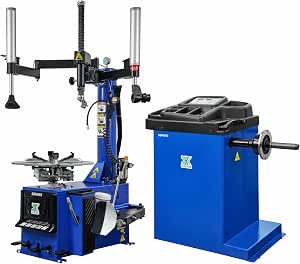 | Best for Hard-Walled and Low-Profile Tires | Voltage: 110V | Motor power: 2.0 HP | Item weight: 840 pounds | VIEW LATEST PRICE | See Our Full Breakdown |
| VEVOR Manual Tire Changer for 8–16-Inch Tires |  | Best Compact Manual Pick | Compatible tire size: 8–16 inches | Material: Q235B forged steel | Weight: 30.9 pounds | VIEW LATEST PRICE | See Our Full Breakdown |
| BILT Hard 110V 2.0HP Tire Changer and Wheel Balancer Combo with Rim Clamp |  | Best for a Wider Balancer Range | Voltage: 110V/60Hz | Changer motor power: 2.0 HP | Balancer motor power: 250 W | VIEW LATEST PRICE | See Our Full Breakdown |
| KATOOL ME Tire Changer and Wheel Balancer Combo, 2.0 HP, 110V, Dual Assist Arm |  | Best for Assisted Tire Changing | Power: 2.0 HP | Voltage: 110V | Inside clamp range: 14–24 inches | VIEW LATEST PRICE | See Our Full Breakdown |
| KATOOL KT-T800 Tire Changer with Motorcycle Clamping Adaptor |  | Best for Motorcycle and Car Mix | Model: KT-T800 | Motor power: 2.0 HP | Motor voltage: 110V | VIEW LATEST PRICE | See Our Full Breakdown |
| Bonnlo Manual Tire Changer for 8″-16″ Tires |  | Best Compact Manual Pick | Compatible tire sizes: 8–16 inches | Material: Heavy-duty steel with rust-resistant coating | Bead breaker positions: 3 adjustable settings | VIEW LATEST PRICE | See Our Full Breakdown |
| KATOOL 2.0 HP Tire Changer and Wheel Balancer Combo with Double Assist Arms and Bead Blaster | | Best for Assist Features | Model: 530+620F | Motor power: 2 HP | Voltage: 120 V, single phase (title also states 110 V) | VIEW LATEST PRICE | See Our Full Breakdown |
| KATOOL ME-T450 Tire Changer and ME-B620 Wheel Balancer Combo |  | Best for 220V Garage Setups | Tire changer model: ME-T450 | Wheel balancer model: ME-620T | Changer rim range: 12–20 in external; 22–24 in internal | VIEW LATEST PRICE | See Our Full Breakdown |
| XK Tire Changer and Wheel Balancer Combo, 110V |  | Best for Multi-Mode Balancing | Voltage: 110 V | Outside rim clamping: 10–18 in | Inside rim clamping: 12–20 in | VIEW LATEST PRICE | See Our Full Breakdown |
More Details on Our Top Picks
Bonnlo Tire Changer, 16-21″ Adjustable Bead Breaker Stand for Dirt Bikes – Yellow
For a garage focused on dirt bikes, this Bonnlo stands out for its 16–21-inch fit and small storage footprint. Its long lever helps apply mechanical advantage during mounting and removal, while the triangular base gives the stand a stable support shape. Compared with the TUFFIOM Manual Tire Changer, which covers smaller 8–16-inch tires, the Bonnlo is the better match for larger dirt-bike rims, but it does not offer TUFFIOM’s stated three-position bead-breaker adjustment or locking collar. The powder-coated steel construction suits regular garage use, though the 15.43-pound weight makes it less convenient to carry than its compact dimensions suggest. I’d choose it for occasional dirt-bike wheel work, not as a broad-coverage solution for car or truck tires.
Pros:- Fits 16–21-inch tires, a useful range for dirt-bike wheels
- Long leverage handle helps reduce the force needed for tire work
- Triangular base supports the stand during operation
- Compact dimensions make storage easier in a crowded garage
Cons:- At 15.43 pounds, it is not especially light to carry between work areas
- Its stated fit is narrower in application than changers covering smaller tires or light-truck sizes
- No locking collar or multi-position bead-breaker adjustment is specified
Best for: Dirt-bike owners who need a compact manual stand for 16–21-inch wheels and have limited garage storage
Not ideal for: Drivers seeking one changer for small mower tires and car wheels, or anyone needing a stated tire-size range beyond 21 inches
- Compatible tire size:16–21 inches
- Material:Powder-coated steel
- Weight:15.43 pounds
- Dimensions:26.38 x 20.08 x 2.95 inches
- Color:Yellow
- Base design:Triangular
Our verdict“Choose the Bonnlo for compact, occasional dirt-bike tire work on 16–21-inch wheels, but not for mixed vehicle sizes.”
TUFFIOM Manual Tire Changer for 8–16-Inch Tires
The TUFFIOM is the most specifically equipped choice here for smaller 8–16-inch tires: its bead breaker has three position settings, and a locking collar holds the tire during work. That makes it a more deliberate small-wheel setup than the G-PLUS, whose compatibility extends to light-truck sizes but is described less precisely. The limitation is the base: the product data recommends securing it to the floor or a wooden pallet because it may move under force. At 34.6 pounds, it is portable in the sense that it can be relocated, but it is far heavier than the compact Bonnlo stand. I’d favor it for a home garage with a fixed, secure mounting spot; buyers who need frequent outdoor portability should weigh that anchoring requirement carefully.
Pros:- Three bead-breaker positions accommodate a range of small tire sizes
- Locking collar helps hold the tire in place during operation
- Steel construction with a red powder-coated finish
- Can be used in a garage, shop, or outdoor work area when properly secured
Cons:- Base may shift unless attached to the ground or a pallet
- At 34.6 pounds, it is heavier to move than the Bonnlo compact stand
- Its 8–16-inch range excludes larger rims handled by the Bonnlo
Best for: Home mechanics working on small wheels, such as lawn equipment or other 8–16-inch tires, who can secure the changer to a firm base
Not ideal for: Dirt-bike owners with rims larger than 16 inches or mobile users who cannot anchor the base during operation
- Brand:TUFFIOM
- Model:TFmtc0304
- Compatible tire size:8–16 inches
- Bead breaker adjustment:3 positions
- Material:Steel
- Finish:Red powder-coated
- Weight:34.6 pounds
- Package dimensions:38.5 x 9.5 x 9 inches
- Included feature:Locking collar
Our verdict“Pick the TUFFIOM for anchored garage work on small tires when its adjustable bead breaker and locking collar match your needs.”
LCTX Manual Tire Changer with Bead Breaker for 12–21-Inch Rims
Among these manual options, the LCTX offers the broadest stated capability for larger tires and demanding wheel types: it fits 12–21-inch rims, handles tires up to 39 inches in diameter, and lists tubeless and low-profile compatibility. That gives it a wider working envelope than the Bonnlo, which is aimed at 16–21-inch dirt-bike wheels, and more specific capacity information than the G-PLUS’s general light-truck description. Its included mounting, demounting, bead-breaking, and wheel-securing components point to a more involved setup, but this is not a grab-and-go stand: it weighs 83.2 pounds, requires assembly, and operates within a stated 120–145 psi range. I’d choose it when capacity matters more than easy relocation, and skip it for a simple, air-free garage tool.
Pros:- Fits 12–21-inch rims and tires up to 39 inches in diameter
- Specifies compatibility with tubeless and low-profile tires
- Includes mounting, demounting, bead-breaking, and wheel-securing components
- Steel construction is suited to a more substantial garage setup
Cons:- Requires 120–145 psi operating pressure
- At 83.2 pounds, it is difficult to move compared with the Bonnlo or TUFFIOM
- Assembly is required, and the product information recommends reviewing an instructional video
Best for: Garage mechanics handling larger, low-profile, or tubeless tires who have compressed air and a stable place for a heavy changer
Not ideal for: Casual users who need a lightweight, quickly assembled stand or do not have access to the stated operating pressure
- Manufacturer:LCTX
- Model:JYM009
- Rim diameter compatibility:12–21 inches
- Maximum tire diameter:39 inches (990 mm)
- Tire compatibility:Tubeless and low-profile tires
- Operating pressure:120–145 psi (8–10 bar)
- Material:Steel
- Weight:83.2 pounds
- Included components:Mounting and demounting tools, bead breaker, wheel-securing components, and related assembly hardware
Our verdict“Choose the LCTX when larger tire capacity and low-profile compatibility outweigh the need for easy setup and portability.”
G-PLUS Manual Tire Changer and Bead Breaker
The G-PLUS is the most flexible fit in this group when a garage may also service farm or light-truck wheels. Its stated range runs from 8-inch tires to light-truck sizes, including 7.5 x 16 inches, while the TUFFIOM is limited to 8–16-inch tires and the Bonnlo is oriented toward 16–21-inch dirt-bike wheels. A glossy, corrosion-resistant coating and steel construction suit storage in a working shop, and the unit includes assembly hardware and instructions. The tradeoff is that its broad compatibility description does not give a precise maximum rim or tire size, so buyers with a specific vehicle should confirm fit before choosing it. Manual mounting and bead breaking also demand physical effort; it makes more sense for intermittent jobs than repeated, high-volume tire service.
Pros:- Described for tires from 8 inches through light-truck sizes
- Can mount and dismount tires as well as break beads
- Steel construction has a glossy coating designed to resist rust and corrosion
- Includes assembly hardware and instructions
Cons:- Compatibility is described broadly rather than with a complete rim-size range
- Manual operation requires physical effort
- At 34 pounds, it is less convenient to carry than the Bonnlo stand
Best for: Farm, track, and home-garage owners who work on a mix of small tires and light-truck tires and prefer a manual tool
Not ideal for: Buyers needing a clearly specified fit for a particular larger tire, or shops doing frequent tire changes where manual effort becomes a bottleneck
- Manufacturer:Gplusmotor
- Model:Manual Tire Changer
- Manufacturer part number:04TCB0001ARD
- Material:Steel
- Coating:Glossy, rust- and corrosion-resistant paint
- Tire compatibility:From 8-inch tires to light-truck tires, including 7.5 x 16 inches
- Functions:Mounts and dismounts tires; breaks tire beads
- Weight:34 pounds
- Dimensions:38 x 9 x 8 inches
Our verdict“Choose the G-PLUS for occasional mixed-size garage or farm work, after confirming that its broad fit description covers your tires.”
Auto Dynasty Manual Tire Changer Machine for 15″-21″ Tires with Anti-Slip Safety Bolts & Lock Pins
Auto Dynasty puts the emphasis on keeping the changer and wheel secure during manual work. Its anti-slip bolts and safety lock pins are the defining distinction here, paired with a high-carbon steel frame and rust-resistant coating. The 15–21-inch range suits many sedan and SUV applications, overlapping the Bonnlo’s upper size range but targeting passenger vehicles rather than dirt bikes. Compared with the G-PLUS, Auto Dynasty provides a clearer stated range and specific securing features, while G-PLUS describes broader reach up to light-truck sizes. The tradeoff is that the available product data says little about adjustment or included tools, and manual operation will be slower than powered equipment for repeated jobs. I’d shortlist it for a small garage that values a secure setup and works within the stated wheel range.
Pros:- 15–21-inch range covers many passenger-car and SUV applications
- Anti-slip bolts and safety lock pins help limit movement during use
- High-carbon steel frame is paired with a rust-resistant coating
- Dimensions provide a clear floor-standing footprint for garage planning
Cons:- Manual operation can be slow for repeated or high-volume tire changes
- The stated 15-inch minimum excludes smaller tires covered by the TUFFIOM and G-PLUS
- Product data does not specify included mounting tools or adjustment positions
Best for: Home mechanics and small-shop operators changing 15–21-inch sedan, SUV, or light-vehicle tires who want added anti-slip and locking features
Not ideal for: Owners of small equipment tires or larger light-truck tires outside the stated range, and shops that need powered speed for frequent service
- Compatible tire size:15–21 inches
- Frame material:High-carbon steel
- Coating:Rust-resistant
- Securing features:Anti-slip safety bolts and lock pins
- Weight:37 pounds
- Dimensions:18 x 14.5 x 37 inches (D x W x H)
- Manufacturer part number:ADTOOLS00781
Our verdict“Choose Auto Dynasty for occasional 15–21-inch passenger-vehicle tire work where its securing hardware matters more than powered speed.”
XK Heavy-Duty Tire Changer and Wheel Balancer Combo, 110V
I’d rank this XK combo for garages that need a powered setup capable of handling difficult tire work, not for owners seeking a machine they can easily reposition. Its independently controlled mechanical arms support mounting and removal of hard-walled and low-profile tires, while the digital inflation gauge and burst tank add useful control during service. The balancer offers six modes and an OPT function for wheels from 10 to 24 inches. Compared with the BILT Hard 110V combo, which lists compatibility with rims up to 28 inches on its balancer, this XK model has a narrower stated balancing range. Its 840-pound weight is another serious garage-space commitment, though the 110V power requirement may suit shops without higher-voltage service. I’d choose it for capability over portability.
Pros:- Independent mechanical arms assist with mounting and removing hard-walled and low-profile tires.
- Digital inflation gauge displays tire pressure in real time.
- Balancer provides six modes and an OPT function.
- Patented mounting structure is designed to reduce tire bead damage risk.
Cons:- At 840 pounds, it is difficult to relocate or rearrange.
- Balancing compatibility is specified only for 10–24-inch wheels.
Best for: Garage operators who regularly handle hard-walled or low-profile tires and want a powered changer with an integrated balancer.
Not ideal for: Home users who need to move equipment around a small garage, or those balancing wheels outside the specified 10–24-inch range.
- Voltage:110V
- Motor power:2.0 HP
- Item weight:840 pounds
- Maximum wheel diameter:41 inches
- Balancer wheel size:10–24 inches
- Balancing modes:6
- Warranty:18 months parts replacement
- Patent:U.S. Patent No. 8,528,620 B2
Our verdict“Choose this XK combo if difficult low-profile tire work and integrated balancing matter more than portability or a wider stated balancing range.”
VEVOR Manual Tire Changer for 8–16-Inch Tires
Among these five, I’d place the VEVOR first for buyers who want a manual tire changer rather than a powered shop machine. At 30.9 pounds, it is far easier to store or shift than the 524-pound KATOOL ME combo or the 840-pound XK unit, and its 8–16-inch range covers many light-vehicle and small-equipment tires. The forged-steel construction and reinforced X-shaped base are meant to steady the work, while rounded contact parts help limit wheel damage. That simplicity comes with more hands-on effort: unlike the KATOOL KT-T800, it has no powered motor or pedal controls, and lubrication is recommended to reduce friction. It also is not intended for commercial vehicles. I’d pick it for occasional garage jobs, not frequent high-volume tire service.
Pros:- Portable 30.9-pound design is easier to store and reposition than powered combos.
- Fits tires from cars, SUVs, pickups, lawn mowers, and UTVs or ATVs.
- Forged Q235B steel is designed to resist deformation, rust, and corrosion.
- Rounded, thicker tire-contact parts help reduce damage risk.
Cons:- Manual operation requires more physical effort than the powered KATOOL KT-T800.
- Not designed for commercial vehicles.
- Lubrication is recommended during operation to reduce friction.
Best for: DIY garage owners who change tires on small cars, lawn mowers, pickups, or UTVs and want a portable manual tool.
Not ideal for: Commercial shops or buyers who need powered operation, frequent high-volume service, or compatibility beyond 8–16-inch tires.
- Compatible tire size:8–16 inches
- Material:Q235B forged steel
- Weight:30.9 pounds
- Dimensions:18.1 × 15 × 37 inches
- Model number:LTCZ-B
- Base:X-shaped with three pre-drilled reinforcement holes
- Intended use:Light motor vehicles; not for commercial vehicles
Our verdict“Choose the VEVOR for occasional light-vehicle tire work when portability and simple manual operation matter more than powered speed.”
BILT Hard 110V 2.0HP Tire Changer and Wheel Balancer Combo with Rim Clamp
The BILT Hard combo earns its place for garages that want a powered changer and balancer on standard 110V service, with a stated 10–28-inch balancer range. That range is broader than the XK combo’s 10–24 inches, which can matter when a shop handles varied wheel sizes. Hands-free pedals and protected mount/demount heads are practical touches for repeat work, and the 250W balancer is listed at 70 dB. The changer itself is specified for 12–24-inch rims and tires up to 39.4 inches, so the balancer’s wider rim range should not be mistaken for broader changer compatibility. Compared with the KATOOL ME combo, the BILT Hard listing gives clearer tire-size limits, but its stated 716-pound weight still makes it a substantial fixture; the listed dimensions also appear unreliable.
Pros:- Balancer is specified for 10–28-inch rims, wider than the XK combo’s 10–24-inch balancing range.
- Hands-free pedal operation supports a more controlled workflow.
- Protected mount/demount head is designed to help prevent rim damage.
- 250W balancer is listed at 70 dB.
Cons:- Listed weight of 716 pounds makes it difficult to move in a small garage.
- Changer compatibility is narrower than the balancer range: 12–24-inch rims.
- Product dimensions are listed as 1 × 1 × 1 inches, which is not useful for installation planning.
Best for: Garage operators who want a 110V powered changer and balancer, especially those who need the balancer’s stated 10–28-inch range.
Not ideal for: Small garages that need lightweight or easily relocated equipment, or buyers who require confidently documented machine dimensions before planning installation.
- Voltage:110V/60Hz
- Changer motor power:2.0 HP
- Balancer motor power:250 W
- Item weight:716 pounds
- Changer rim size compatibility:12–24 inches
- Maximum tire size:39.4 inches
- Balancer rim compatibility:10–28 inches diameter; 1.5–18 inches width
- Manufacturer part number:PLA-1010BH+PLA-1011BH
Our verdict“Pick the BILT Hard if a wider stated balancer range and pedal operation suit your shop, and you can accommodate its heavy, poorly documented footprint.”
KATOOL ME Tire Changer and Wheel Balancer Combo, 2.0 HP, 110V, Dual Assist Arm
I’d favor this KATOOL ME combo for garages where reducing manual effort during tire changes matters more than moving the equipment around. Its dual assist arm and integrated bead blaster are the clearest differentiators from the BILT Hard combo, whose supplied details emphasize pedal operation and balancer range instead. Cushioned clamp and mounting-head covers are intended to protect rims, while the stainless-steel head and treated alloy-steel jaws add durable contact points. The listed clamp ranges—14–24 inches inside and 12–22 inches outside—give buyers useful boundaries, but they also make fit checking essential. At 524 pounds, it remains a heavy installation rather than a portable garage tool. I’d choose it over the manual VEVOR for repeated powered service, but skip it if your wheel sizes fall outside its clamp limits.
Pros:- Dual assist arm and integrated bead blaster support tire work with less manual effort.
- Cushioned clamp and mounting-head covers help protect rims from marks.
- Stainless-steel mounting head and treated alloy-steel jaws are designed for durable service.
- 110V power and 2.0 HP motor suit a powered garage setup.
Cons:- At 524 pounds, it is difficult to reposition.
- Specified inside and outside clamp ranges limit wheel compatibility.
Best for: Garage operators who regularly service compatible wheels and want a dual assist arm, integrated bead blaster, and rim-protective contact covers.
Not ideal for: Buyers who need a portable changer or routinely work on wheels outside the 14–24-inch inside and 12–22-inch outside clamp ranges.
- Power:2.0 HP
- Voltage:110V
- Inside clamp range:14–24 inches
- Outside clamp range:12–22 inches
- Assist arm:Dual
- Bead blaster:Integrated
- Mounting head material:Stainless steel
- Item weight:524 pounds
Our verdict“Choose the KATOOL ME if you want assist-arm support and a bead blaster for compatible wheels, and can dedicate a fixed place to a heavy machine.”
KATOOL KT-T800 Tire Changer with Motorcycle Clamping Adaptor
The KT-T800 stands apart from the combo machines because its included motorcycle wheel clamping adaptor gives mixed car-and-motorcycle garages a specific reason to choose it. Its 2.0 HP, 110V single-phase motor and pedal controls provide powered tire-changing functions, while carburized alloy-steel jaws and a covered stainless-steel mounting head are designed to help protect rims. Unlike the KATOOL ME combo, however, this is listed as a tire changer rather than a changer-and-balancer package, so buyers needing wheel balancing will have to plan for separate equipment. The main fitment issue is documentation: the supplied product details give no tire-size capacity or machine dimensions. I’d shortlist it for motorcycle owners who also service car tires, but confirm wheel compatibility and available floor space before buying.
Pros:- Includes a motorcycle wheel clamping adaptor for mixed motorcycle and car use.
- Covered jaws and mounting head are designed to help protect rims.
- Pedal controls operate tire-changing functions and the inflation gauge.
- 2.0 HP, 110V single-phase motor suits compatible garage electrical service.
Cons:- No tire-size capacity is provided in the supplied product data.
- No machine dimensions are provided for garage-space planning.
- The listing describes a tire changer, not an integrated changer-and-balancer combo like the KATOOL ME.
Best for: Garage owners who service both motorcycles and cars and want a powered changer with a motorcycle clamping adaptor included.
Not ideal for: Buyers who need an integrated wheel balancer, require stated tire-size limits, or cannot verify fit and space requirements before purchase.
- Model:KT-T800
- Motor power:2.0 HP
- Motor voltage:110V
- Motor phase:Single phase
- Included accessory:Motorcycle wheel clamping adaptor
- Jaw material:Alloy steel
- Jaw treatment:Carburized 0.8–1.1 mm deep and quenched
- Controls:Pedal control
Our verdict“Choose the KT-T800 for a car-and-motorcycle garage if the adaptor fits your wheels and you do not need an included balancer.”
Bonnlo Manual Tire Changer for 8″-16″ Tires
For a garage without a compressor or a dedicated tire machine, the Bonnlo manual changer offers a straightforward way to handle tires up to 16 inches. Its locking collar helps keep the wheel steady while you work, and the three-position bead breaker accommodates different tire sizes without adding powered equipment. Compared with the TUFFIOM Manual Tire Changer, this Bonnlo is a similar small-wheel, hands-on option; its clear advantage is a listed three-position breaker and pre-drilled holes for floor mounting. The tradeoff is its narrow size range: it won’t cover larger passenger-car wheels, unlike the powered KATOOL combos in this roundup. At 32 pounds it can be moved around, though lifting it repeatedly is still a consideration. I’d choose it for occasional ATV, trailer, or small-car tire work, not a high-volume garage.
Pros:- Works without electricity or air lines.
- Locking collar helps stabilize the wheel during mounting and removal.
- Three bead-breaker positions suit different tire sizes.
- Pre-drilled base holes allow optional floor mounting.
Cons:- Limited to tires up to 16 inches, excluding many larger wheels.
- Manual operation takes more physical effort and time than powered changers.
- At 32 pounds, it may be awkward to lift repeatedly.
Best for: DIY garage owners who change occasional tires on ATVs, trailers, or vehicles with wheels up to 16 inches and want to avoid power and air-line requirements.
Not ideal for: Shops handling larger passenger-car wheels or frequent tire jobs; its 16-inch limit and manual operation narrow its workload.
- Compatible tire sizes:8–16 inches
- Material:Heavy-duty steel with rust-resistant coating
- Bead breaker positions:3 adjustable settings
- Net weight:32 lb
- Overall dimensions:11.8 × 9.8 × 36.6 in
- Base:Pre-drilled holes for optional floor mounting
- Model:G23000429
Our verdict“Choose the Bonnlo for occasional small-wheel jobs in a garage where portability and operation without utilities matter more than speed or larger-wheel capacity.”
KATOOL 2.0 HP Tire Changer and Wheel Balancer Combo with Double Assist Arms and Bead Blaster
The KATOOL 530+620F is built for a garage that wants both tire changing and balancing equipment in one substantial setup. Its dual assist arms can reduce the effort involved in handling stiff tires, while the bead blaster is intended to help seat or loosen stubborn beads. The stated rim ranges cover 12–22 inches outside and 14–24 inches inside, with a maximum wheel diameter of 41 inches. Compared with the KATOOL ME-T450 and ME-B620 combo, this model adds dual assist arms and lists a larger maximum wheel diameter, while the ME-T450 specifies 220V power and detailed balancer functions. Here, the 524-pound weight makes relocation difficult, and the listing conflicts on voltage: the title says 110V while the specifications say 120V. I’d verify the electrical requirement before planning installation.
Pros:- Dual assist arms help reduce physical effort when handling tires.
- Bead blaster is included for stubborn bead work.
- Protective covers help guard rims from scratches.
- Automatic A and D measurement input reduces manual data entry.
Cons:- At 524 pounds, it is difficult to move once installed.
- The title and specifications conflict on voltage, listing 110V and 120V.
- Requires a dedicated garage footprint and setup for a combined changer and balancer.
Best for: Home mechanics or small shops with a fixed installation area who regularly handle larger or difficult-to-mount tires and want a changer and balancer together.
Not ideal for: Buyers who need a portable machine, have limited floor space, or cannot confirm the required supply voltage before purchase.
- Model:530+620F
- Motor power:2 HP
- Voltage:120 V, single phase (title also states 110 V)
- Outside clamping range:12–22 in
- Inside clamping range:14–24 in
- Maximum wheel diameter:41 in
- Item weight:524 lb
- Included features:Dual assist arms, bead blaster, rim-protective covers, automatic A and D measurement ruler
Our verdict“Pick this KATOOL combo if assist features and large-wheel capacity matter most, but confirm the voltage and plan for a stationary installation.”
KATOOL ME-T450 Tire Changer and ME-B620 Wheel Balancer Combo
This KATOOL set pairs a swing-arm changer with a balancer, making it a fit for garages that want a more specified, shop-style workflow rather than a manual stand. The changer handles tires up to 38 inches in diameter and lists external locking for 12–20-inch rims plus internal locking for 22–24-inch rims. Its balancer supports 10–24-inch rims, with self-calibration and multiple modes. Compared with the KATOOL 530+620F, the ME-T450 listing gives more detail on balancing precision, cycle time, and controls, but it requires 220V single-phase power and does not list the other combo’s dual assist arms or bead blaster. The combined net weight is 308 kg, so this is not a casually movable garage tool. I’d put it ahead of a compact manual changer only for a fixed, properly powered workspace that needs both machines.
Pros:- Combines a tire changer and wheel balancer in one set.
- Changer handles tires up to 38 inches in diameter.
- Balancer offers multiple modes, self-calibration, and fault diagnosis.
- Stainless steel mounting head has a protective cover to help prevent rim damage.
Cons:- Tire changer requires a 220V single-phase supply.
- Combined net weight of 308 kg makes relocation difficult.
- The listing does not specify assist arms or a bead blaster.
Best for: Experienced home mechanics or small-shop operators with 220V single-phase service, permanent floor space, and a need to change and balance a broad range of wheels.
Not ideal for: Garage owners limited to standard household power or anyone who needs equipment that can be moved without substantial effort.
- Tire changer model:ME-T450
- Wheel balancer model:ME-620T
- Changer rim range:12–20 in external; 22–24 in internal
- Maximum tire diameter:38 in (960 mm)
- Maximum tire width:11 in (280 mm)
- Changer power and voltage:0.75–1.1 kW; 220 V single phase
- Balancer rim diameter:10–24 in (254–610 mm)
- Balancing precision and time:1 g; 8–10 seconds
- Combined net weight:308 kg
Our verdict“Choose this combo for a permanent 220V garage setup that values detailed balancer controls and broad wheel coverage over portability.”
XK Tire Changer and Wheel Balancer Combo, 110V
The XK combo is a powered changer and balancer for garages that want several balancing modes without a 220V supply. Its 110V operation is a practical contrast with the KATOOL ME-T450, which requires 220V, while the balancer’s dynamic, static, aluminum, and motorcycle modes give it a wider stated mode selection. The changer supports outside clamping from 10–18 inches and inside clamping from 12–20 inches, with a maximum tire diameter of 37 inches. Included clamp protectors and centering cones help equip the setup for routine work, but the motorcycle adapter is not included despite the motorcycle balancing mode. At 780 pounds, it is heavier than the KATOOL 530+620F listed above, so this is a fixed-installation choice, not a flexible garage machine. I’d favor it when mode range and 110V compatibility outweigh the burden of moving and setting it up.
Pros:- Runs on 110V power.
- Balancer supports dynamic, static, aluminum, and motorcycle modes.
- Includes clamp protectors, centering cones, and a quick-release wing nut.
- Specified balancing accuracy is −1 g to +1 g.
Cons:- At 780 pounds, the combo is difficult to move and requires a planned installation.
- Motorcycle adapter is not included.
- Maximum wheel width is 12 inches, which limits suitability for wider assemblies.
Best for: Garage owners with 110V power who want a dedicated changer and balancer with several balancing modes and space for a permanent installation.
Not ideal for: Buyers who need portability or expect to balance motorcycle wheels without purchasing the missing adapter.
- Voltage:110 V
- Outside rim clamping:10–18 in
- Inside rim clamping:12–20 in
- Maximum tire diameter:37 in (960 mm)
- Maximum wheel width:12 in
- Operating pressure:120–145 psi (8–10 bar)
- Balancer maximum wheel weight:155 lb
- Balancing modes:Dynamic, static, Alu 1–3, motorcycle
- Item weight:780 lb
Our verdict“Choose the XK if you have 110V power and want varied balancing modes in a stationary setup, but budget space and source the motorcycle adapter separately if needed.”
How We Picked
I compared the 14 products by how well their stated capabilities match common garage jobs: wheel and tire size compatibility, manual versus powered operation, whether wheel balancing is included, and whether features such as assist arms, a bead blaster, or a motorcycle adaptor address a specific need. I also weighed practical ownership factors that matter in a home shop, including power requirements, footprint, setup complexity, and the value of combining machines. I did not treat a longer feature list as an automatic advantage; an added function matters only when it suits the buyer’s workload and workspace.
The ranking favors versatile equipment that can handle more than one part of the tire job, followed by focused picks that make sense for narrower needs. That places the KATOOL ME powered combo first for its combination of changing, balancing, and dual assist support. Manual models rank lower for frequent or demanding work but remain relevant for occasional jobs, limited space, or buyers who prefer a simpler machine. Within each group, stated fit and specialized features shape the order; buyers should verify wheel compatibility and installation requirements before choosing.
Factors to Consider When Choosing Garage Tire Changers
Before choosing, I would start with the wheels you actually service and the space you can dedicate to the machine. The products here span manual stands, powered changers, and changer-balancer combos, so a useful comparison begins with workload rather than headline features.
Match the Machine to Your Wheel Range
Check the machine’s stated rim range against the wheels you plan to service, and confirm whether that range refers to rim diameter or a broader compatibility claim. A stand specified for 8–16-inch tires may suit many smaller jobs but leave larger automotive wheels outside its stated fit. Wider-range products still may not be suited to every wheel shape or tire construction. Motorcycle wheels can call for different clamping arrangements than passenger-car wheels, so a dedicated adaptor can matter more than a large diameter figure. A common mistake is to buy for the wheels you own now and overlook a second vehicle or seasonal set. I would list each wheel’s size and type before comparing models, then verify fit with the seller or manufacturer where specifications are unclear.
Choose Manual or Powered Based on Workload
Manual changers keep the setup mechanically simple and can work for occasional garage jobs, but they rely more heavily on operator effort and technique. That effort becomes more consequential with stiff sidewalls, frequent tire changes, or a long run of wheels. Powered equipment can reduce repetitive physical work, though it brings electrical requirements, a larger footprint, and more setup to plan around. A 110V label does not answer every installation question: check the machine’s circuit needs and the instructions for the workspace. Buyers sometimes pay for powered capacity they will rarely use, while frequent DIY or small-shop work can make manual operation frustrating. Estimate how many tires you will change in a season and how much effort you are willing to spend on each wheel.
Decide Whether You Need a Separate Wheel Balancer
A tire changer removes and mounts a tire; balancing addresses wheel assembly vibration after the tire is installed. Combo machines join those jobs in one garage setup, which can save handling time and avoid the need for a separate balancing machine. That convenience comes with a larger equipment footprint and a more involved purchase and installation decision. If you already own a suitable balancer or rarely change tires, a standalone manual changer may be the more sensible fit. Do not assume that a changer alone completes the full service process. Before choosing a combo, measure the available floor area and consider where weights, tools, and wheels will be stored during the job.
Treat Assist Arms and Bead Blasters as Workload Features
Assist arms and bead blasters address jobs that can be more difficult than a basic mount-and-dismount routine. Assist arms can help control tire movement during mounting, while a bead blaster is intended to help seat a bead when the tire and rim make that step difficult. These features add capability, but they also add components to learn, maintain, and accommodate. A buyer handling mostly straightforward passenger tires may not benefit as much as someone who regularly encounters challenging tires. A frequent mistake is to choose a machine by the number of attachments rather than by the problems those attachments solve. I would pay for these additions when they match the tire types and volume you expect to handle, not simply because they appear on a premium model.
Plan for Space, Anchoring, and Safe Operation
A garage machine needs room for its own base, the wheel, the operator, and the tools used around it. Measure the work area with the machine’s operating clearances in mind rather than checking only its stored dimensions. Manual stands may be easier to place in a compact garage, while powered combos can become a fixed part of the shop layout. Review whether the design calls for anchoring or a secure mounting surface; stability matters when force is applied to a wheel. Keep a clear path for moving heavy assemblies and a separate place for removed tires. Planning these details before purchase can prevent a machine that technically fits but is awkward or unsafe to use.
Budget for the Whole Tire-Changing Setup
The machine is only one part of the workflow: buyers may also need compatible tools, supplies, and a safe place to store removed wheels and tires. A combo can reduce the need for a second major machine, but it does not remove the need to learn proper mounting and balancing procedures. Manual equipment can keep the setup simpler, although it may require more operator effort and time. Check what accessories are included and which are sold separately rather than assuming a listed feature means every needed tool is supplied. If you expect to service several wheel types, verify accessory compatibility before committing. A realistic total setup plan helps distinguish useful capability from equipment that will sit unused.
Frequently Asked Questions
Can a manual tire changer handle the tires on my passenger car?
It depends on the wheel dimensions and the machine’s stated compatibility, not simply on whether the tire comes from a passenger car. Several manual models in this roundup list an 8–16-inch range, while other options specify wider ranges or a different use. Check the rim diameter and wheel type for every vehicle you plan to service, then confirm that the machine accepts them. Also account for tire stiffness and your comfort with the physical effort manual changing demands. If you expect frequent work or challenging tires, a powered option may be a better match.
Is a tire changer and wheel balancer combo worth choosing for a home garage?
A combo makes the most sense when you plan to mount tires regularly and want balancing available in the same workspace. It can reduce trips between machines or to an outside shop, but it also takes more room and requires attention to the electrical and installation requirements. If you only change tires occasionally or already have access to a balancer, a standalone changer may be enough. Consider how often you will use both functions, not just the convenience of having them together. Measure the garage area before choosing a powered combo.
What should I check before buying a tire changer for motorcycle wheels?
Start by confirming that the machine supports the motorcycle wheel sizes and clamping arrangement you need. A motorcycle adaptor, such as the one specified for the KATOOL KT-T800, can be more relevant than features aimed at general automotive work. Check whether the adaptor is included and whether it fits your particular wheel setup. Motorcycle tires and rims can require careful handling, so make sure the operating method suits your experience and the wheels you service. If you also plan to work on car tires, verify that the machine can cover both jobs instead of assuming the motorcycle fit implies broad versatility.
Do I need assist arms or a bead blaster for occasional tire changes?
Not every occasional garage job calls for those additions. Assist arms and bead blasters are more useful when your tire types or workload make mounting and bead seating especially challenging. For straightforward tires and infrequent use, a simpler machine may be easier to fit into the garage and learn. The added features also mean more parts and functions to understand, so they should solve a real task rather than serve as a checklist bonus. If you are unsure, identify the tire constructions you expect to handle and check the machine’s instructions for those jobs.
How much garage space should I plan for a powered tire changer?
Plan for more than the machine’s base dimensions: leave room to position a wheel, operate the controls, and move around the equipment safely. A changer-balancer combo also needs space for the balancing step and nearby storage for tools and tires. Review the manufacturer’s installation and clearance guidance, including any anchoring or power requirements. Measuring the intended area before purchase helps avoid a setup that blocks a walkway or makes wheel handling awkward. If the garage is tight, compare the full operating footprint with a compact manual stand, not just the machines’ storage dimensions.
Conclusion
For most buyers seeking one powered garage setup, I recommend the KATOOL ME Tire Changer and Wheel Balancer Combo as the best overall, particularly for its dual assist arm and combined changing-and-balancing format. The best value depends on your workload: choose a manual stand such as the VEVOR or TUFFIOM if its stated 8–16-inch range fits your wheels and you accept more hands-on effort. For a best premium pick, the KATOOL 2.0 HP combo with double assist arms and a bead blaster suits buyers who expect more demanding or frequent work. Beginners who want a simpler setup can start with a manual model whose range matches their wheels, while buyers focused on motorcycle service should look closely at the KATOOL KT-T800 with its motorcycle clamping adaptor. Choose by wheel fit, workload, and available garage space first; extra features only help when they fit the jobs you plan to do.