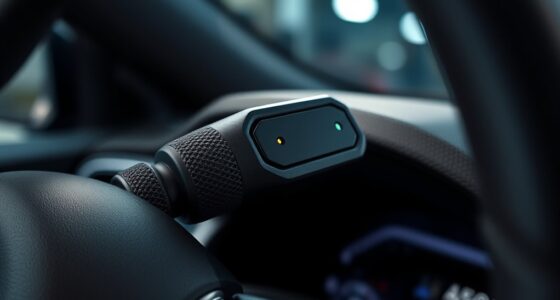
The best vehicle event data recorders balance clear evidence, dependable incident capture, and practical day-to-day use. My best overall pick is the 70mai A900 4K+4K, which pairs high-resolution front and rear recording with GPS and optional 4G connectivity. For live monitoring, the FOCUWAY L7 adds cellular live view and parking monitoring, while the Garmin Dash Cam 47 is a simpler choice for drivers who want a compact, voice-controlled recorder. The main tradeoffs are camera coverage versus installation complexity, and connected features versus subscriptions or power needs. Read on for the full comparison and help choosing the right setup for your vehicle.

Get business pricing on garage and car supplies
- Business-only prices and quantity discounts
- Tax-exempt purchasing
- Multiple users, one account, clear invoices
Complete the kit


Key Takeaways
- 70mai A900 4K+4K is the most balanced pick in this lineup for buyers who want high-resolution front-and-rear footage plus GPS and connectivity options.
- FOCUWAY L7 and LAMTTO 4G LTE prioritize remote access and cabin monitoring; those features bring more setup and connectivity considerations than a basic recorder.
- Affver 5-Channel offers the broadest listed camera coverage, making it the standout for buyers who need views beyond the road ahead and behind.
- Garmin Dash Cam 47 and Garmin Dash Cam 20 favor simpler standalone recording over multi-camera coverage and cellular features.
- Several models include memory cards, but storage size alone does not determine how long incident footage stays available; recording resolution, camera count, and loop settings all affect retention.
| SEEMOPEN D026 4K Front and Rear Dash Cam with HDR, Night Vision, GPS, and 128GB Card |  | Best for High-Detail Front-and-Rear Evidence | Front and rear resolution: 4K + 4K | Display: 3-inch full-laminated screen | Connectivity: Dual-band 2.4 GHz and 5.8 GHz Wi-Fi 6, app, USB | VIEW LATEST PRICE | See Our Full Breakdown |
| Optimus DG2 Live Dashcam GPS Tracker with Front and Interior Cameras |  | Best for Fleet-Style Remote Monitoring | Model: DG2-OBD-2CH | Video resolution: 1080p | Camera orientation: Front and interior | VIEW LATEST PRICE | See Our Full Breakdown |
| LAMTTO 4G LTE Dash Cam with 2K Front and 1080P Cabin Cameras |  | Best for Remote Cabin Monitoring | Front camera resolution: 2K | Cabin camera resolution: 1080p | Camera views: Front and cabin | VIEW LATEST PRICE | See Our Full Breakdown |
| Inefala USB Car DVR Camera with ADAS and Loop Recording |  | Best for Android-System Integration | Model: USB Dash Cam | Video resolution: 720p | Field of view: 170 degrees | VIEW LATEST PRICE | See Our Full Breakdown |
| FOCUWAY L7 4G LTE Dash Cam, 2K Front and 1080P Interior, Live View, GPS, and 24/7 Parking Mode |  | Best for Screen-Free LTE Parking Alerts | Model: L7 | Video resolution: 2K front + 1080p interior | Connectivity: 4G LTE | VIEW LATEST PRICE | See Our Full Breakdown |
| Pelsee S1 Pro Dual 4K Dash Cam with 128GB Card |  | Best for Dual-View Detail | Video resolution: 3840 × 2160P at 30 fps, front and rear | Image sensors: 8 MP CMOS | Field of view: 170° front, 150° rear | VIEW LATEST PRICE | See Our Full Breakdown |
| Garmin Dash Cam 47, 1080p HD, 140° Field of View, Voice Control, Includes 16 GB Memory Card |  | Best Compact, Simple Recorder | Video resolution: 1080p at 30 fps | Field of view: 140 degrees | Display: 2 inches | VIEW LATEST PRICE | See Our Full Breakdown |
| Dual 4K Front and Rear Dash Cam with 128GB Card |  | Best Value Dual-4K Package | Front video resolution: 3840 × 2160P (4K) | Rear video resolution: 3840 × 2160P (4K) | Field of view: 170° front, 160° rear | VIEW LATEST PRICE | See Our Full Breakdown |
| 70mai A900 4K+4K Front and Rear Dash Cam with 4G LTE, GPS, Wi-Fi 6, and Voice Control |  | Best for Connected Remote Access | Video resolution: 4K (2160p) front and rear at 30 FPS | Field of view: 140 degrees | Connectivity: 5 GHz Wi-Fi 6 and 4G LTE | VIEW LATEST PRICE | See Our Full Breakdown |
| Affver 5-Channel 4K Dash Cam with GPS and Wi-Fi 6 |  | Best for All-Around Vehicle Coverage | Channels: 5: front, rear, cabin, left, and right | Video resolution: 4K front; 1080p rear, cabin, left, and right | Frame rate: 30 fps | VIEW LATEST PRICE | See Our Full Breakdown |
| ROVE R2-4K Dual Dash Cam with Front and Rear Cameras |  | Best for Front-and-Rear Event Coverage | Front video: 2.5K QHD, upscaled to 4K (2160p) | Rear video: 1080p Full HD | Front sensor: Sony STARVIS 2 IMX675, 5MP | VIEW LATEST PRICE | See Our Full Breakdown |
| Garmin Dash Cam 20 Standalone Driving Recorder |  | Best for Simple, Self-Contained Incident Recording | Maximum video resolution: 1080p | Field of view: 140° | Display: 2.3-inch LCD | VIEW LATEST PRICE | See Our Full Breakdown |
| vehicle event data recorder | Field of view | Connectivity | GPS | Video resolution |
|---|---|---|---|---|
| SEEMOPEN D026 4K Front and Rea | — | Dual-band 2.4 GHz and 5.8 GHz Wi-Fi 6, app, USB | Built-in; records route, location, speed, and compass data | — |
| Optimus DG2 Live Dashcam GPS T | 140 degrees | LTE | — | 1080p |
| LAMTTO 4G LTE Dash Cam with 2K | Dual 140-degree views | 4G LTE | — | — |
| Inefala USB Car DVR Camera wit | 170 degrees | USB | — | 720p |
| FOCUWAY L7 4G LTE Dash Cam | 150 degrees | 4G LTE | — | 2K front + 1080p interior |
| Pelsee S1 Pro Dual 4K Dash Cam | 170° front, 150° rear | USB-C; dual-band Wi-Fi 6 at 2.4 GHz and 5.8 GHz | Built-in | 3840 × 2160P at 30 fps, front and rear |
| Garmin Dash Cam 47 | 140 degrees | Wi-Fi | Built-in | 1080p at 30 fps |
| Dual 4K Front and Rear Dash Ca | 170° front, 160° rear | 2.4GHz and 5GHz Wi-Fi; USB | Built-in route tracking and speed display | — |
| 70mai A900 4K+4K Front and Rea | 140 degrees | 5 GHz Wi-Fi 6 and 4G LTE | Built-in | 4K (2160p) front and rear at 30 FPS |
| Affver 5-Channel 4K Dash Cam w | 160 degrees | 5.8 GHz Wi-Fi | Built-in | 4K front; 1080p rear, cabin, left, and right |
| ROVE R2-4K Dual Dash Cam with | 150° front, 140° rear | — | Built-in; records route, location, and speed | — |
| Garmin Dash Cam 20 Standalone | 140° | — | — | — |
More Details on Our Top Picks
SEEMOPEN D026 4K Front and Rear Dash Cam with HDR, Night Vision, GPS, and 128GB Card
The SEEMOPEN D026 is the strongest fit here for drivers who want high-resolution evidence in both directions: it records 4K from the front and rear, while dual-channel HDR and night vision help handle changing light. Built-in GPS adds route, location, speed, and compass data, giving footage more context than a video-only recorder. The included 128 GB card and support for up to 1 TB also offer more room to manage clips than the Inefala USB Car DVR, which tops out at 32 GB. Wi-Fi 6 and a 3-inch screen give buyers two ways to review footage. The tradeoff is that parking monitoring needs a separately sold hardwire kit, and this model lacks the LTE live viewing offered by the Optimus DG2.
Pros:- Records 4K video from both the front and rear cameras.
- Dual-channel HDR and night vision support recording across varied lighting.
- Built-in GPS logs route, location, speed, and compass data.
- Includes a 128 GB card, supports up to 1 TB, and offers Wi-Fi 6 app access.
Cons:- Parking monitoring requires a separately sold hardwire kit.
- Does not offer LTE live streaming or remote cellular access.
- The maximum supported memory card capacity is 1 TB.
Best for: Drivers who want detailed front-and-rear recordings, GPS trip context, and on-device review without relying on a cellular connection.
Not ideal for: Owners who need remote live viewing or ready-to-use parking surveillance, since parking monitoring requires a separate hardwire kit and there is no LTE service.
- Front and rear resolution:4K + 4K
- Display:3-inch full-laminated screen
- Connectivity:Dual-band 2.4 GHz and 5.8 GHz Wi-Fi 6, app, USB
- GPS:Built-in; records route, location, speed, and compass data
- Included memory card:128 GB
- Maximum supported memory card:1 TB
- Parking monitoring:Time-lapse or collision detection; hardwire kit sold separately
- Operating temperature:-4°F to 158°F
Our verdict“Choose the SEEMOPEN D026 if front-and-rear detail and GPS context matter more than cellular remote viewing or included hardwired parking support.”
Optimus DG2 Live Dashcam GPS Tracker with Front and Interior Cameras
The Optimus DG2 is less about maximizing image detail and more about keeping tabs on a vehicle remotely. Its LTE connection, live streaming, GPS tracking, and event-based uploads let owners check location and receive alerts for geofences, speed, and harsh driving from a phone, tablet, or computer. That makes it a more active monitoring tool than the SEEMOPEN D026, which records at 4K front and rear but relies on local review and app access. The DG2 records at 1080p and offers a 140-degree field of view, so buyers give up resolution for connected oversight. Its interior camera is optional to use, and OBD installation is available alongside wired power. Subscription dependence is the main catch: cellular features use a connection, and the lifetime warranty requires an active subscription.
Pros:- LTE supports live streaming and remote GPS tracking.
- Event-based uploads can capture specified driving and device events.
- Geofence, speed, and harsh-driving alerts add useful oversight.
- Includes front and interior camera views, with wired or OBD installation options.
Cons:- 1080p recording provides less image detail than the 2K and 4K options in this roundup.
- Live video and uploads depend on cellular connectivity.
- The lifetime warranty requires an active subscription.
Best for: Small fleet operators, caregivers, and vehicle owners who need remote location checks, event alerts, and live access to a car or minivan.
Not ideal for: Drivers focused on maximum footage detail or those unwilling to maintain cellular service and an active subscription for the lifetime warranty.
- Model:DG2-OBD-2CH
- Video resolution:1080p
- Camera orientation:Front and interior
- Field of view:140 degrees
- Frame rate:30 FPS
- Connectivity:LTE
- Included memory card:256 GB
- Installation options:Wired cable or OBD cable
- Warranty:Lifetime with an active subscription
Our verdict“Pick the Optimus DG2 when remote tracking and event alerts matter more than high-resolution local recordings.”
LAMTTO 4G LTE Dash Cam with 2K Front and 1080P Cabin Cameras
The LAMTTO suits drivers who want to check both the road and the cabin from afar. It pairs 2K front recording with 1080p cabin video, infrared lights for dim interior footage, and LTE features including live viewing, GPS tracking, alerts, and two-way talk. Compared with the Optimus DG2, it offers higher stated front-camera resolution and radar, human, and impact detection for parking mode; unlike the FOCUWAY L7, its description does not specify a physical lens cover. OBD-II power and a screenless design keep the setup focused on app use, but they may not suit every vehicle or driver. Remote access and eligible cloud clips depend on cellular coverage and an active plan after the included seven-day trial, and there is no rear-facing camera.
Pros:- Records the road in 2K and the cabin in 1080p.
- Four infrared lights support low-light cabin recording.
- LTE features include remote viewing, GPS tracking, app alerts, and two-way talk.
- Parking detection includes radar sensing, human detection, impact detection, and low-voltage protection.
Cons:- Remote features require 4G coverage and an active data plan after the trial.
- Requires OBD-II power; some vehicles may need a separately sold hardwire kit.
- Has no built-in display and does not record behind the vehicle.
Best for: Drivers who want remote cabin checks, two-way communication, and app alerts, especially when monitoring a parked vehicle is part of the job.
Not ideal for: Buyers who need rear-window coverage, an onboard display, or cellular features without an ongoing data plan.
- Front camera resolution:2K
- Cabin camera resolution:1080p
- Camera views:Front and cabin
- Field of view:Dual 140-degree views
- Cabin lens:180-degree rotating
- Night vision:4 infrared lights
- Connectivity:4G LTE
- Power:Included OBD-II cable
- Built-in display:None
Our verdict“Choose the LAMTTO if remote cabin monitoring and layered parking detection are more useful to you than rear-camera coverage or screen-based controls.”
Inefala USB Car DVR Camera with ADAS and Loop Recording
The Inefala is the simplest, most limited recorder in this group, but its USB connection and Android vehicle-system compatibility give it a specific role for drivers who want a basic camera integrated with compatible in-car equipment. A 170-degree field of view captures a broad area ahead, while loop recording and the included 32 GB card support routine recording without much setup. Lane-departure and forward-collision warnings add driver prompts, not the remote event uploads or GPS tracking found on the Optimus DG2. The gap in evidence detail is substantial: 720p resolution and a 32 GB storage ceiling make it a poor fit for buyers who need fine detail or long clip retention. Compared with the SEEMOPEN D026, it is far less capable, but also avoids a multi-camera, LTE-oriented setup.
Pros:- 170-degree field of view covers a broad forward scene.
- USB connection is designed for compatible Android vehicle systems.
- Includes a 32 GB microSD card and supports loop recording.
- WDR night vision and lane-departure and forward-collision warnings are included.
Cons:- 720p video captures less detail than the 1080p, 2K, and 4K alternatives.
- Maximum supported storage is limited to 32 GB.
- Compatibility is limited to Android vehicle audio and video systems.
Best for: Owners of compatible Android vehicle audio and video systems who want a basic forward-facing recorder with driver alerts.
Not ideal for: Drivers who need high-resolution evidence, larger storage capacity, GPS event context, or cellular access to footage.
- Model:USB Dash Cam
- Video resolution:720p
- Field of view:170 degrees
- Frame rate:30 FPS
- Connectivity:USB
- Storage included:32 GB microSD card
- Maximum supported storage:32 GB
- Display:1.5-inch LED
- ADAS features:Lane-departure warning and forward-collision warning
Our verdict“The Inefala makes sense for compatible Android-system owners who want basic recording and alerts, but not for buyers prioritizing evidence detail or storage.”
FOCUWAY L7 4G LTE Dash Cam, 2K Front and 1080P Interior, Live View, GPS, and 24/7 Parking Mode
The FOCUWAY L7 is built for drivers who want a low-profile recorder to watch the road and cabin, then send alerts when they are away from the vehicle. It combines 2K front and 1080p interior video with infrared lighting, GPS, LTE live view, two-way audio, and 24/7 parking mode. The physical lens cover gives it a privacy feature not listed for the LAMTTO, while its included OBD cable and 32 GB card help make the basic setup more complete. Unlike the SEEMOPEN D026, it has no screen and records the cabin rather than a rear exterior view. Remote features require a paid plan after seven days, and the built-in SIM cannot be replaced by the owner. Its U.S.-only design narrows where it makes sense to use.
Pros:- Records 2K front and 1080p interior video with infrared cabin lighting.
- LTE supports remote live view, two-way audio, and app alerts.
- Includes GPS, a 32 GB memory card, and an OBD power cable.
- Physical lens cover offers a direct way to block the camera.
Cons:- LTE live view and cloud features require a paid data plan after the seven-day trial.
- Built-in SIM is not user-replaceable, and the product is designed for U.S. use only.
- No built-in screen; settings and viewing rely on the app.
Best for: U.S.-based drivers who want remote parking alerts, cabin monitoring, two-way audio, and a lens cover in a compact, screen-free unit.
Not ideal for: Drivers who need a rear exterior camera, on-device controls, international use, or LTE service without a paid plan.
- Model:L7
- Video resolution:2K front + 1080p interior
- Connectivity:4G LTE
- Field of view:150 degrees
- Storage:32 GB memory card and cloud storage
- Power:Included OBD cable
- Night vision:Infrared with 4 IR LEDs
- Dimensions:2.2 × 4 × 2.3 inches
- Region:U.S. use only
Our verdict“Choose the FOCUWAY L7 if you want screen-free LTE monitoring and a privacy cover, and can accept its U.S.-only service and ongoing plan requirement.”
Pelsee S1 Pro Dual 4K Dash Cam with 128GB Card
The Pelsee S1 Pro is a strong fit for drivers who want 4K recording from both ends without giving up a built-in screen for quick checks. Its 170-degree front and 150-degree rear views cover broad areas, while HDR and full-color night vision are aimed at keeping details usable across changing light. Compared with the similarly dual-4K Dual 4K Front and Rear Dash Cam, the Pelsee accepts cards up to 1TB rather than 512GB, giving frequent drivers more room before footage cycles out. Built-in GPS and Wi-Fi 6 also support location-tagged recording and app access. The tradeoff is that parking surveillance needs a separately sold hardwire kit, and its adhesive mount is less convenient to reposition than a removable attachment.
Pros:- Records 4K video simultaneously from front and rear cameras
- HDR and full-color night vision support recording across varied lighting
- Built-in GPS and Wi-Fi 6 enable location logging and app access
- Includes a 128GB card and supports storage up to 1TB
Cons:- Parking mode requires a separately sold hardwire kit
- Adhesive windshield mounting is less convenient to reposition
Best for: Drivers who want front-and-rear 4K evidence, GPS logging, and room to expand storage for frequent trips.
Not ideal for: Drivers who need parking monitoring straight out of the box or often move a camera between vehicles.
- Video resolution:3840 × 2160P at 30 fps, front and rear
- Image sensors:8 MP CMOS
- Field of view:170° front, 150° rear
- Connectivity:USB-C; dual-band Wi-Fi 6 at 2.4 GHz and 5.8 GHz
- GPS:Built-in
- Display:3.39-inch IPS
- Storage:128GB microSD included; supports up to 1TB
- Parking mode:Time-lapse and G-sensor collision lock; hardwire kit sold separately
Our verdict“Choose the Pelsee S1 Pro for dual 4K coverage and expandable storage, but budget for a hardwire kit if parked-vehicle monitoring matters.”
Garmin Dash Cam 47, 1080p HD, 140° Field of View, Voice Control, Includes 16 GB Memory Card
The Garmin Dash Cam 47 takes a different approach from the dual-4K models in this group: it records 1080p from a discreet, compact unit rather than covering both front and rear at high resolution. Built-in GPS tags incident footage with location, date, and time, while HDR optics and a 140-degree view support everyday road recording. Voice commands offer a quick way to save a clip without reaching for the camera. Compared with the Pelsee S1 Pro, Garmin gives up rear-camera coverage and image detail, but its smaller footprint may suit drivers who want a less conspicuous windshield setup. The included 16GB card is modest beside the 128GB cards bundled with several alternatives. Parked-vehicle features also depend on Wi-Fi and, for Live View, constant power.
Pros:- Compact design keeps the windshield setup discreet
- Built-in GPS adds location, date, and time to incident recordings
- HDR optics and a 140-degree field of view support varied light and road coverage
- Voice commands can save video and control audio recording
Cons:- Records only 1080p and does not provide rear-camera coverage
- The included 16GB card offers less capacity than the 128GB cards bundled with several rivals
- Parking Guard and Live View depend on connectivity and power conditions
Best for: Drivers seeking a small, front-facing recorder with GPS-tagged clips and voice controls rather than dual-camera coverage.
Not ideal for: Drivers who need rear footage, higher-resolution evidence, or a large included memory card.
- Video resolution:1080p at 30 fps
- Field of view:140 degrees
- Display:2 inches
- Connectivity:Wi-Fi
- GPS:Built-in
- Included memory card:16GB
- Maximum supported storage:512GB
- Voice control languages:English, German, French, Spanish, Italian, and Swedish
Our verdict“Pick the Garmin Dash Cam 47 if compact size and straightforward GPS-tagged front recording matter more than dual-channel coverage.”
Dual 4K Front and Rear Dash Cam with 128GB Card
This model makes dual-channel detail its main selling point: both front and rear cameras record in 4K, and a 128GB card is included for immediate use. WDR, an f/1.5 aperture, and a starlight sensor are intended to help preserve footage when lighting is less predictable. The 170-degree front and 160-degree rear views are broader than the Pelsee S1 Pro’s stated rear angle, which may help capture more of the area behind the vehicle. It also includes GPS, app connectivity, a 3-inch screen, and collision-triggered clip locking. Unlike the Pelsee S1 Pro, its supported storage tops out at 512GB, not 1TB. Parking monitoring requires a separate hardwire kit, so the included card does not make this a complete parked-car surveillance setup.
Pros:- Captures 4K video from both front and rear cameras
- Wide 170-degree front and 160-degree rear fields of view
- Includes GPS, app connectivity, and a 128GB microSD card
- Collision sensing can lock event footage against loop recording
Cons:- Parking mode requires a separately sold hardwire kit
- Maximum supported storage is 512GB, below the Pelsee S1 Pro’s 1TB capacity
Best for: Drivers wanting a ready-to-use dual-4K recorder with wide front and rear views, GPS, and an included 128GB card.
Not ideal for: Drivers who want more than 512GB of supported storage or expect parking monitoring without additional wiring.
- Front video resolution:3840 × 2160P (4K)
- Rear video resolution:3840 × 2160P (4K)
- Field of view:170° front, 160° rear
- Aperture:f/1.5
- Display:3-inch IPS
- Connectivity:2.4GHz and 5GHz Wi-Fi; USB
- GPS:Built-in route tracking and speed display
- Storage:128GB microSD included; supports up to 512GB
Our verdict“Choose this dual-4K package for broad camera coverage and included storage, unless you need the Pelsee S1 Pro’s higher storage ceiling.”
70mai A900 4K+4K Front and Rear Dash Cam with 4G LTE, GPS, Wi-Fi 6, and Voice Control
The 70mai A900 pairs 4K front-and-rear recording with Wi-Fi 6, voice control, and 4G LTE capability, making it the connectivity-led option in this set. GPS and impact-triggered clip locking add useful context and help keep key footage from being overwritten during loop recording. Compared with the Dual 4K Front and Rear Dash Cam, the A900 adds cellular connectivity and voice control, but its 140-degree field of view is narrower than that model’s 170-degree front and 160-degree rear coverage. Its included 64GB card is also smaller than the 128GB cards supplied with the Pelsee and Affver. Remote 4G functions and parking monitoring depend on a separately sold hardwire kit, so buyers should not assume cellular features work as a standalone setup.
Pros:- Records 4K video from both front and rear cameras
- Combines GPS, Wi-Fi 6, 4G LTE capability, and voice control
- G-sensor locks impact clips to protect them from loop recording
- Includes a 64GB microSD card
Cons:- Parking monitoring and remote 4G functions require a separately sold hardwire kit
- The 140-degree field of view is narrower than the Dual 4K Front and Rear model’s listed angles
- Included storage is smaller than the 128GB cards supplied with some alternatives
Best for: Drivers who want dual-4K recording with app, voice, and potential cellular remote features when properly hardwired.
Not ideal for: Drivers prioritizing the widest viewing angles, larger included storage, or plug-and-play parking surveillance.
- Video resolution:4K (2160p) front and rear at 30 FPS
- Field of view:140 degrees
- Connectivity:5 GHz Wi-Fi 6 and 4G LTE
- GPS:Built-in
- Parking mode:24-hour monitoring; hardwire kit sold separately
- Storage:64GB microSD included; supports up to 512GB
- Screen:3.18 inches
- Control methods:App, push button, and voice
Our verdict“The A900 suits connected drivers who value voice and remote features, provided they accept narrower coverage and the added hardwire requirement.”
Affver 5-Channel 4K Dash Cam with GPS and Wi-Fi 6
The Affver stands apart by recording five views at once: 4K in front and 1080p at the rear, in the cabin, and on both sides. That broader coverage can document passenger activity and side incidents that a conventional front-and-rear setup, such as the Pelsee S1 Pro, does not capture. Infrared cabin night vision gives its interior channel a clearer role after dark, while GPS adds route, speed, and timestamp information. The tradeoff is that four of its five channels record at 1080p rather than 4K, and the 1.5-inch screen is notably small for reviewing clips in the vehicle. It includes a 128GB card and supports up to 512GB, but parking surveillance still depends on a separately sold hardwire kit.
Pros:- Records five views simultaneously, with 4K front and 1080p on the other channels
- Infrared LEDs support cabin recording in low-light conditions
- Built-in GPS adds speed, route, and timestamp information
- Includes a 128GB microSD card and supports up to 512GB
Cons:- Parking surveillance requires a separately sold hardwire kit
- The 1.5-inch screen is small for reviewing footage on the device
- Rear, cabin, left, and right recordings are 1080p rather than 4K
Best for: Rideshare, family, and commercial drivers who need cabin and side-view documentation in addition to road footage.
Not ideal for: Drivers who only need front-and-rear recording, want a larger onboard review screen, or expect every channel to record in 4K.
- Channels:5: front, rear, cabin, left, and right
- Video resolution:4K front; 1080p rear, cabin, left, and right
- Frame rate:30 fps
- Field of view:160 degrees
- Connectivity:5.8 GHz Wi-Fi
- GPS:Built-in
- Screen:1.5-inch IPS
- Storage:128GB microSD included; supports up to 512GB
Our verdict“Choose the Affver when cabin and side coverage matter more than a large screen or 4K resolution on every channel.”
ROVE R2-4K Dual Dash Cam with Front and Rear Cameras
I’d choose the ROVE R2-4K when recording incidents behind the vehicle matters as much as capturing the road ahead. Its front and rear cameras record at upscaled 4K and 1080p, respectively, while built-in GPS adds route, location, and speed data that can help put an event in context. The front Sony STARVIS 2 sensor, HDR, and wide aperture are useful advantages for dim conditions; the included 128GB card also gives it a more ready-to-install setup than the Garmin Dash Cam 20, which includes only a 4GB card and records from one camera. The tradeoffs are worth noting: front footage is upscaled from 2.5K, not natively captured in 4K, and parking surveillance requires a separately purchased hardwire kit. I’d pick this over single-camera options for broader coverage, but not if native 4K is a firm requirement.
Pros:- Records both the road ahead and activity behind the vehicle
- Front STARVIS 2 sensor, HDR, and F1.5 aperture support low-light capture
- Built-in GPS records route, location, and speed data
- Includes a 128GB microSD card and supports cards up to 1TB
Cons:- Front video is 2.5K QHD upscaled to 4K rather than native 4K
- Parking mode requires a hardwire kit sold separately
- Rear footage is limited to 1080p
Best for: Drivers who want front-and-rear incident footage, GPS-tagged recordings, and a substantial included memory card for everyday vehicle use
Not ideal for: Buyers who require native 4K front recording or want parking-mode monitoring without purchasing and installing a separate hardwire kit
- Front video:2.5K QHD, upscaled to 4K (2160p)
- Rear video:1080p Full HD
- Front sensor:Sony STARVIS 2 IMX675, 5MP
- Field of view:150° front, 140° rear
- GPS:Built-in; records route, location, and speed
- Wi-Fi:Dual-band 5.8GHz and 2.4GHz
- Included storage:128GB microSD card; supports up to 1TB
- Parking modes:1 fps time-lapse, motion detection, and collision detection; hardwire kit required and sold separately
Our verdict“Choose the ROVE if front-and-rear coverage and GPS context matter more than native 4K or an included parking-mode power kit.”
Garmin Dash Cam 20 Standalone Driving Recorder
The Garmin Dash Cam 20 is a straightforward choice for drivers who want a windshield recorder with GPS-tagged event footage and on-device playback, rather than a multi-camera system or connected app setup. Its G-sensor saves footage when it detects an incident, and GPS stamps recordings with location, direction, speed, and time—useful details when reviewing what happened later. The 2.3-inch LCD and snapshot feature also let a driver check a clip or capture an image at the scene. Compared with the ROVE R2-4K, though, the Garmin covers only the forward view and includes a much smaller 4GB card, with support capped at 32GB. Its video tops out at 1080p, so I’d favor it for basic event documentation, not for broader coverage or high-resolution evidence. Local rules may also restrict windshield-mounted devices.
Pros:- G-sensor automatically saves footage when it detects an incident
- GPS stamps video with location, direction, speed, and time
- On-device LCD playback and snapshot capture support quick checks at the scene
- Continuous recording with automatic overwrite simplifies routine operation
Cons:- Records only the forward view, unlike the dual-camera ROVE R2-4K
- Included 4GB card is small and maximum supported storage is 32GB
- Video resolution tops out at 1080p
Best for: Drivers seeking a simple single-camera recorder with GPS-stamped incident clips and an onboard screen for checking footage at the scene
Not ideal for: Drivers who need rear-camera coverage, higher-resolution recording, generous included storage, or parking-mode surveillance
- Maximum video resolution:1080p
- Field of view:140°
- Display:2.3-inch LCD
- Incident detection:G-sensor with customizable sensitivity
- GPS data:Location, direction, speed, and time stamps
- Storage:4GB microSD card included; supports cards up to 32GB
- Audio:Integrated microphone
- Mount and weight:Windshield mount; 4.32 ounces
Our verdict“Choose the Garmin for basic, GPS-stamped front-camera event recording and onboard playback, but skip it if you need rear coverage or larger storage capacity.”
How We Picked
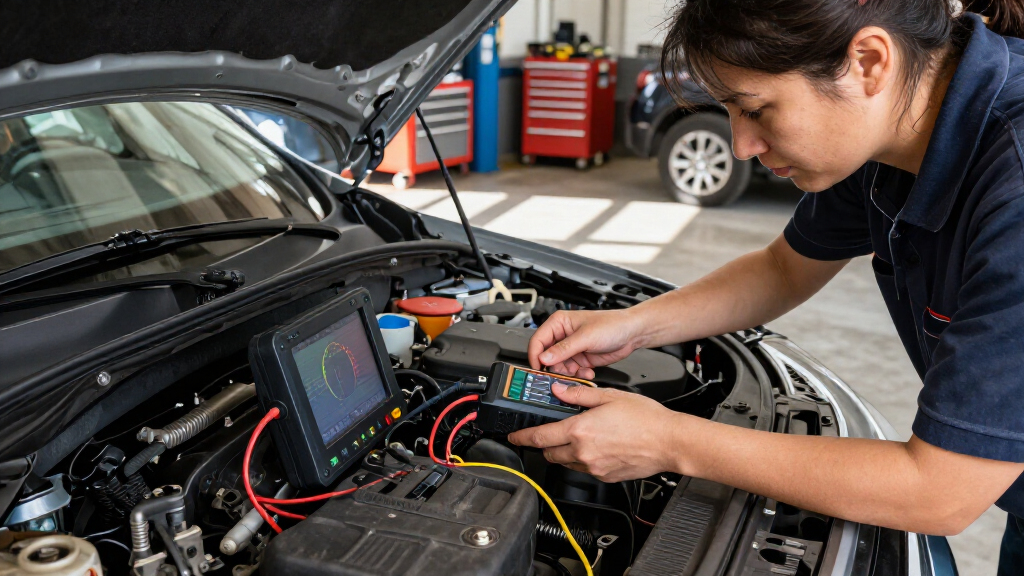
I ranked these 12 products by how well their stated features serve the core job of a vehicle event data recorder: capturing useful evidence around a driving incident. My main criteria were camera coverage and resolution, GPS or cellular features that add context or remote access, included storage, and practical setup demands. I gave more weight to a balanced recording setup than to a long feature list, since additional cameras and connectivity matter only when they fit the buyer’s use case.
The order also reflects the tradeoffs buyers face. The 70mai A900 4K+4K leads for its combination of front-and-rear detail and connected features, while the FOCUWAY L7 and LAMTTO suit buyers who place greater value on live access and cabin footage. Multi-channel systems rank well for broad coverage but can demand more installation effort. Simpler Garmin options remain relevant for drivers who prefer a focused, less elaborate recorder, though they offer less coverage than the leading multi-camera picks. Product details here are based on the listed specifications; buyers should confirm compatibility, storage requirements, and any cellular service terms before purchase.
| vehicle event data recorder | GPS |
|---|---|
| SEEMOPEN D026 4K Front and Rea | Built-in; records route, location, speed, and compass data |
| Optimus DG2 Live Dashcam GPS T | — |
| LAMTTO 4G LTE Dash Cam with 2K | — |
| Inefala USB Car DVR Camera wit | — |
| FOCUWAY L7 4G LTE Dash Cam | — |
| Pelsee S1 Pro Dual 4K Dash Cam | Built-in |
| Garmin Dash Cam 47 | Built-in |
| Dual 4K Front and Rear Dash Ca | Built-in route tracking and speed display |
| 70mai A900 4K+4K Front and Rea | Built-in |
| Affver 5-Channel 4K Dash Cam w | Built-in |
| ROVE R2-4K Dual Dash Cam with | Built-in; records route, location, and speed |
| Garmin Dash Cam 20 Standalone | — |
Factors to Consider When Choosing Best Vehicle Event Data Recorders
Choosing an event recorder is less about collecting the most features and more about matching the system to the evidence you may need. Before deciding, think through camera placement, how the footage will be stored, whether you need remote access, and how much installation work you can take on.
Choose Coverage Around the Evidence You Need
Front-only footage can document a roadway incident, but it may miss a rear impact or activity inside the vehicle. A front-and-rear set gives broader road coverage, while cabin cameras can help rideshare drivers or fleet operators document passenger-area events. Multi-channel systems such as the Affver 5-Channel aim to cover more angles, but every extra camera adds placement, wiring, and maintenance decisions. Avoid buying extra views just because they are available: first identify which blind spots matter for your driving and parking routine. Check that the cameras can be mounted without blocking the driver’s view or interfering with airbags.
Treat Resolution as One Part of Usable Evidence
Higher resolution can preserve more detail, but it does not guarantee that every license plate or road sign will be readable. Camera angle, glare, motion, lighting, and windshield cleanliness all shape what a recording captures. Front-and-rear 4K models like the 70mai A900 emphasize detail across both views, while a 1080p recorder may be a sensible fit when simplicity matters more than maximum resolution. Higher-resolution and multi-camera recording can also use storage faster, so check how loop recording handles older files. If a specific detail matters to you, look for footage samples from comparable lighting and driving conditions rather than relying on resolution labels alone.
Plan Storage and Footage Retention
An included memory card makes setup easier, but its capacity does not tell you exactly how many hours of footage you will keep. Resolution, number of active cameras, frame rate, and recording settings all affect retention. Loop recording generally frees space by overwriting older clips, so learn how the device protects event files and how to save footage before it cycles out. Check the manufacturer’s supported card type and capacity rather than assuming any card will work. Drivers who may need evidence days after an incident should build a routine for copying important clips to another device or account.
Decide Whether Cellular Access Is Worth the Extra Setup
GPS can add location and speed context to recordings, while cellular connectivity may support remote viewing or alerts when you are away from the vehicle. These features are most useful for parked vehicles, family cars, and commercial use where checking in remotely has a clear purpose. A connected camera may require a compatible data plan, an app account, and a reliable signal; confirm the ongoing service requirements before choosing one. Cellular features also do not replace local recording, so confirm that footage remains available if the network is unavailable. If you rarely need remote access, a simpler recorder such as the Garmin Dash Cam 47 may avoid setup that would otherwise go unused.
Check Parking-Mode Power and Installation Needs
Parking recording can capture events while a vehicle is unattended, but it often depends on how the camera receives power after the ignition is off. Some setups may call for a hardwire kit or another power solution, which can affect installation time and battery management. Do not assume that a parking-mode label means continuous recording or that the feature works without extra accessories; check the operating modes and power requirements for the exact model. Multi-camera systems can make cable routing more involved, especially when adding rear or cabin cameras. If you want a tidy installation or do not plan to wire into the vehicle, favor a setup that matches your comfort level and verify what is included.
Match Controls and Complexity to Your Routine
A recorder that is difficult to operate can leave important clips unsaved or settings poorly configured. Voice control, app access, and a simple standalone interface each solve different problems: voice commands can reduce interaction while driving, while an app may make clip review easier. More connected features can also mean more permissions, accounts, and troubleshooting. Consider who will use the vehicle and whether they need to review footage without help. Buyers who want a straightforward recorder may prefer a simpler Garmin model over a cellular, multi-camera system, even if the latter covers more functions.
Frequently Asked Questions
Is a 4K recorder worth choosing over a 1080p model?
4K can retain more image detail, which may help when reviewing distant signs or vehicle features, but the result depends on lens quality, angle, lighting, and motion. It also uses storage more quickly, particularly when several cameras record at once. If you mainly need a simple account of an incident, a 1080p option such as the Garmin Dash Cam 47 may be sufficient. If detail across both directions is a priority, a dual 4K model like the 70mai A900 is a stronger match. Compare sample footage and storage handling, not resolution labels alone.
Do I need a cellular data plan for a vehicle event recorder?
No; cellular access is only useful if you want features such as remote viewing or connected monitoring, and the camera’s local recording can serve drivers who do not need those functions. Models such as the FOCUWAY L7 and LAMTTO 4G LTE are aimed at buyers who value remote access and cabin views. Before buying, check whether a plan is required, what it covers, and whether the camera can still record locally when service is unavailable. For a vehicle that is usually parked somewhere you can check in person, cellular connectivity may add setup without much practical benefit.
Will a dash cam keep recording when my car is parked?
Not automatically in every setup. Parking recording may depend on a dedicated mode, a suitable power connection, and sometimes additional wiring or accessories. A camera that loses power when the ignition is off may stop recording unless its parking feature has a supported power source. Check how the model detects an event, how long it can remain active, and how it manages the vehicle battery. If monitoring an unattended car is your main goal, verify those details before choosing a recorder based only on a parking-mode feature name.
Is a cabin camera useful if I only want evidence of road incidents?
A cabin view can help document passenger-area events and may be useful for rideshare drivers, family vehicles, or fleet monitoring. It is less necessary if your only aim is recording the road ahead and behind, and it may capture private activity that requires careful handling. Check who can access the footage, how it is stored, and whether local rules or workplace policies affect recording passengers. A front-and-rear system may fit road-focused buyers better, while the Optimus DG2 or cellular cabin-camera options suit buyers with a specific interior-recording need. Match camera coverage to a clear use rather than recording more than you need.
How much camera coverage should I choose for a personal car?
For many personal cars, front-and-rear coverage is a practical starting point because it records the roadway in both directions without adding cabin views. Consider an interior camera if you regularly carry passengers or need to document activity inside the vehicle. A five-channel setup is more appropriate when several angles or a work-related monitoring plan justify the extra wiring and maintenance. More cameras can mean more storage use and more footage to review, so coverage should match a real evidence gap. Check mounting positions and cable routes before deciding how many cameras you want.
Conclusion
For most buyers seeking a capable balance of detail, coverage, and connected features, I recommend the 70mai A900 4K+4K as the best overall. Buyers who want remote access and parking monitoring should look first at the FOCUWAY L7, while the Affver 5-Channel is the better fit for broad multi-angle coverage. For a simpler starting point, I’d choose the Garmin Dash Cam 47; for a more basic standalone setup, consider the Garmin Dash Cam 20. The SEEMOPEN D026 and Pelsee S1 Pro are worth comparing for buyers focused on front-and-rear recording with included storage, while cellular-focused shoppers can weigh the LAMTTO and Optimus DG2. There is no universal best recorder: choose the setup whose coverage, power needs, and connectivity you will actually use.