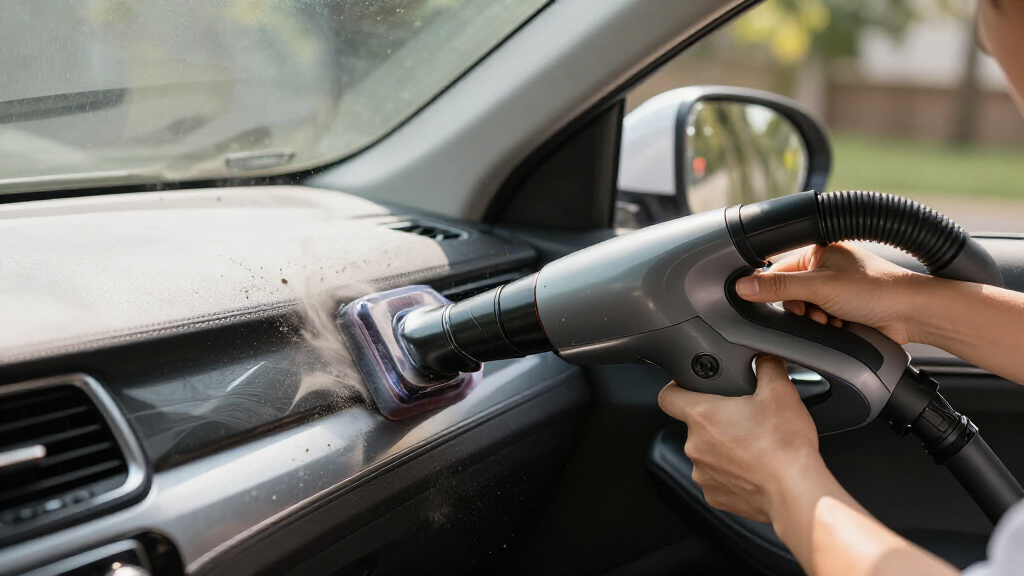

Car vacuum cleaners come in two very different flavors, and picking the wrong one is the most common mistake buyers make. If you want serious suction for deep-cleaning carpets and wet messes, the Craftsman 2.5 Gallon Wet Dry Shop Vacuum is the strongest all-around choice in this lineup. If you prefer grab-and-go convenience, the DEWALT 20V Cordless Handheld and the surprisingly capable Monozel 2-in-1 vacuum and air duster deliver cordless cleaning without a garage outlet. The main tradeoffs come down to raw power versus portability, battery runtime versus corded reliability, and whether you need wet-dry capability or just dry debris. Keep reading for the full breakdown of all 11 models and which one fits your cleaning habits.

Get business pricing on garage and car supplies
- Business-only prices and quantity discounts
- Tax-exempt purchasing
- Multiple users, one account, clear invoices
Complete the kit


Key Takeaways
- The Craftsman 2.5 Gallon shop vacuum outperformed every handheld on raw debris removal, but it needs a wall outlet and trunk space — a tradeoff only worth making if you deep-clean monthly rather than touch up weekly.
- Two of the eleven models (the 50,000Pa dual-battery picks) claim identical headline suction, and the differences that actually matter are tank capacity, filter quality, and whether a second battery is included — spec sheets alone won’t separate them.
- Sub-$50 handhelds like the Blestan and KMM are fine for crumbs and dust, but reviewers consistently hit runtime limits of 15-20 minutes, making them touch-up tools rather than full-detail machines.
- Corded models such as the ThisWorx with a 16-foot cord eliminate battery anxiety entirely, which makes them a smarter buy for anyone who cleans their car at home rather than on the road.
- The DEWALT and both BLACK+DECKER models reward buyers who already own the matching battery ecosystem or want wall-mount storage — the ‘cheap’ sticker price hides the true cost once you add a battery and charger if you don’t have one.


| car vacuum cleaner | Weight | Suction Power |
|---|---|---|
| Craftsman 2.5 Gallon Wet Dry S | — | — |
| DEWALT 20V Cordless Handheld V | 6.8 lbs | — |
| Blestan Handheld Cordless Vacu | 1.6 lbs | Up to 9kPa |
| Monozel Cordless Car Vacuum & | 1.4 lbs | 18,000Pa |
| Cordless Car Vacuum 50000Pa Br | 1.9 lbs | 50,000Pa |
| Portable Cordless Car Vacuum w | 1.9 lbs | 50,000Pa |
| KMM Handheld Car Vacuum Cleane | 1.04 lbs | 10,000Pa |
| BLACK+DECKER Dustbuster Cordle | — | — |
| Wansimoo Handheld Car Vacuum C | 0.7 kg | 25,000Pa |
| ThisWorx Handheld Car Vacuum | 2.4 lbs | — |
| Black+Decker Dustbuster Advanc | — | — |
More Details on Our Top Picks
Craftsman 2.5 Gallon Wet Dry Shop Vacuum, 2.5 Peak HP, Portable
Every other pick in this roundup is dry-only, and that’s exactly why the Craftsman 2.5 Gallon Wet Dry Vac earns its spot. Spilled soda in a cupholder, slushy floor mats, a soaked trunk after a rainy haul — the handhelds like the Monozel or Blestan simply can’t touch that without risking damage. The 2.5 peak HP motor and 50 inches of suction lift also outclass the battery-powered options when it comes to embedded grit in carpet. The tradeoff is obvious: this is a corded, tank-style unit, so it lives in the garage rather than the glovebox. Compared with the DEWALT 20V, it trades portability for raw power and wet capability, plus a blower function for clearing leaves off the driveway. Emptying is frequent given the small tank, and there’s only one speed.
Pros:- Handles both wet and dry messes, unlike every cordless handheld here
- Blower function doubles its usefulness around the garage
- Strong suction lift for embedded dirt in carpets and mats
- Includes crevice tool and utility nozzle for tight cabin spaces
Cons:- Corded design and tank form factor make it far less portable than handhelds
- Small 2.5-gallon tank needs frequent emptying on bigger jobs
- Single speed setting with no way to dial back suction
Best for: Garage-based detailers and families dealing with wet spills, mud, and slush who don’t need in-car cordless convenience
Not ideal for: Anyone wanting to vacuum mid-road-trip — it needs a wall outlet and has no car adapter
- Capacity:2.5 gallons
- Peak Horsepower:2.5 HP
- Maximum Suction:50 inches
- Noise Level:69 dB
- Filter Type:Filter bag
- Functions:Wet/dry vacuum and blower
- Power Source:Corded
Our verdict“Buy this if wet messes and garage-side deep cleans matter more than cordless convenience; skip it if you only tidy up dry crumbs in the car.”
DEWALT 20V Cordless Handheld Vacuum with HEPA Filter and Attachments
The DEWALT 20V handheld is the professional-grade entry here, built for people who already live on the 20V DEWALT battery platform. That’s the real story: if you own DCB205 batteries from your drills, this vacuum costs far less in practice than its sticker suggests — but if you don’t, factor in the battery price. Compared with the budget Blestan, it delivers noticeably more airflow (46 CFM) for construction debris and drywall dust, and the HEPA filtration captures fine particles that cheaper cyclones recirculate. Runtime up to 214 minutes on a 5Ah battery embarrasses the Monozel’s 32-minute ceiling. It also converts to stick mode for shop or home floors. The downsides are real, though: dry-only use, 6.8 pounds of heft, and the battery-less packaging.
Pros:- Exceptional runtime when paired with a 5Ah battery
- HEPA filter captures fine drywall and construction dust
- Converts to stick mode for floors, not just car interiors
- Rugged trade-grade build with 3-year warranty
Cons:- Battery and charger sold separately, inflating real cost
- At 6.8 lbs, it’s heavy for one-handed detail work
- Dry pickup only — no wet spill capability
Best for: Contractors and DIYers already invested in DEWALT 20V batteries who want one tool for truck cabs and job sites
Not ideal for: Buyers starting from zero — the separate battery purchase pushes the true cost well above dedicated car vacuums
- Airflow:46 CFM
- Weight:6.8 lbs
- Battery:Sold separately (uses DCB205)
- Runtime:Up to 214 minutes per charge
- Filtration:HEPA
- Configuration:Handheld and stick modes
- Warranty:3 years
Our verdict“This pick makes the most sense for DEWALT battery owners who need job-site durability plus car cleanup; everyone else should compare total cost against the Monozel first.”
Blestan Handheld Cordless Vacuum Cleaner, 3-in-1 Portable Car and Home Vacuum
At 1.6 pounds with everything included in the box, the Blestan is the low-commitment entry point of this lineup. Unlike the DEWALT, it arrives with its battery built in, charged, and ready — no ecosystem buy-in required. Suction peaks at 9kPa, which handles crumbs, sand, and pet hair on seats, but it’s roughly half the claimed power of the Monozel and far below the 50,000Pa flagship, so ground-in carpet grit stays put. What you get for the price is genuinely solid: two suction modes to stretch the 30+ minute runtime, a HEPA filter, and a useful crevice tool plus dust brush. The 12-ounce bin fills quickly on messy jobs, and the 3+ hour recharge is slow relative to how fast it empties.
Pros:- Everything included — no separate battery purchases
- Featherlight at 1.6 lbs for easy one-handed use
- Two suction modes help extend runtime
- HEPA filter and full accessory set at a budget price
Cons:- 9kPa suction falls well short of premium rivals for embedded dirt
- 12 oz dustbin demands frequent emptying
- Over 3 hours of charge time for roughly 30 minutes of use
Best for: First-time buyers and casual users who want a cheap, complete kit for occasional crumb and pet-hair cleanups
Not ideal for: Detailers tackling ground-in dirt or big messes — the suction and tiny bin won’t keep pace
- Suction Power:Up to 9kPa
- Weight:1.6 lbs
- Dustbin Capacity:12 oz (0.5 liters)
- Battery:2000mAh lithium-ion
- Run Time:30+ minutes
- Charge Time:3+ hours
- Noise Level:75 dB
Our verdict“A sensible low-risk first car vacuum for light, occasional messes — just don’t expect it to replace deep-cleaning power.”
Monozel Cordless Car Vacuum & Air Duster, 18000Pa, 130W, Handheld
The Monozel hits the sweet spot between the budget Blestan and the flagship 50,000Pa model: 18,000Pa of suction from a 130W brushless motor at a mid-tier price, doubling the Blestan’s cleaning reach without the premium’s cost. Its differentiator is the two-in-one air duster function — no other pick here blows debris out of vents, dash seams, and keyboard crevices before vacuuming it up, which is genuinely useful for detailing. At 1.4 pounds, it’s the lightest in the roundup. The compromises are honest ones: runtime tops out at 32 minutes, the 0.26L dust cup is the smallest here, and it’s built for surface debris rather than deep grime extraction. Washable filters keep long-term costs down compared with replaceable-filter rivals.
Pros:- 18,000Pa suction doubles the budget picks’ cleaning power
- Unique air duster mode clears vents and seams before vacuuming
- Lightest model here at 1.4 lbs
- Washable HEPA filter avoids ongoing replacement costs
Cons:- Runtime maxes out at 32 minutes on a full charge
- Smallest dust cup in the lineup at 0.26L
- Best for surface debris, not ground-in grime
Best for: Detail-minded owners who want strong suction plus a blower function for vents and crevices at a mid-range price
Not ideal for: Long cleaning sessions — the small dust cup and 32-minute ceiling mean frequent stops to empty and recharge
- Suction Power:18,000Pa
- Motor:130W brushless, up to 115,000 RPM
- Battery:7800mAh
- Run Time:18–32 minutes
- Charge Time:2.5–3 hours
- Weight:1.4 lbs
- Dust Cup:0.26L
- Functions:Vacuum and air duster
Our verdict“The smart middle choice for buyers who want real suction and blower versatility without flagship pricing or budget compromises.”
Cordless Car Vacuum 50000Pa Brushless Motor, Rechargeable Handheld with 2 Batteries, 6-in-1
This unbranded flagship takes the top slot on one number: 50,000Pa of suction, nearly triple the Monozel and five times the Blestan. That’s the difference between skimming crumbs and actually lifting embedded sand from floor mats. The dual battery setup solves the runtime problem that plagues the Monozel — swap packs and keep going for up to 60 minutes total, which no single-battery competitor here matches. The 6-in-1 accessory kit, six nozzles, and storage bag round out a genuinely complete package. Still, it’s not flawless: being an unbranded import, long-term support and QC consistency are less certain than with DEWALT or Craftsman, it stays dry-only, and at high power the noise is hard on the ears. It’s a handheld, so it complements rather than replaces a shop vac.
Pros:- Class-leading 50,000Pa suction lifts embedded dirt other picks leave behind
- Two swappable batteries double runtime to 60 minutes
- Complete kit: 6 nozzles, 2 filters, storage bag
- Brushless motor with lightweight 1.9 lb body
Cons:- No established brand support or track record
- Dry pickup only despite the premium price
- Loudest setting is fatiguing during long sessions
Best for: Car owners with kids, pets, or beach sand who need maximum extraction power and swappable batteries for full-interior sessions
Not ideal for: Buyers who prioritize brand support and warranty coverage — an unbranded import can’t match DEWALT’s 3-year backing
- Suction Power:50,000Pa
- Motor:Brushless
- Battery:2 rechargeable batteries
- Runtime:Up to 60 minutes (both batteries)
- Weight:1.9 lbs
- Design:6-in-1 handheld
- Included:6 nozzles, 2 filters, storage bag
Our verdict“The most capable cleaner here for deep, full-car sessions — buy it for power and runtime, not for brand reassurance.”
Portable Cordless Car Vacuum with Dual Batteries, 50,000Pa Suction, 6-in-1 Multi-Functional Design
Dual batteries are the story here, and they’re what separate this model from single-cell rivals like the Wansimoo further down this list. One battery runs roughly 30 minutes, but the hot-swap design means a full interior detail doesn’t end mid-seat-crack. The 50,000Pa suction rating is aggressive for a sub-two-pound handheld, and the 6-in-1 design adds blowing and inflating modes that make it a garage multitool rather than a car-only purchase. The tradeoff is weight and complexity: at 1.9 pounds with attachments, it’s heavier than simpler picks, and the brushless motor’s performance depends on regular filter cleaning. Compared with the ThisWorx corded model, you gain total mobility but give up the unlimited runtime a 12V outlet provides.
Pros:- Genuinely strong suction that lifts embedded dirt from carpets and seams
- Second battery doubles usable cleaning time
- Vacuum, blower, and inflator modes replace multiple gadgets
- Under 2 pounds despite the power output
Cons:- Swapping batteries mid-cleaning interrupts workflow
- Filters clog quickly with fine debris and need frequent washing
Best for: Car enthusiasts and rideshare drivers who detail interiors regularly and need runtime that outlasts a single battery
Not ideal for: Buyers wanting a set-it-and-forget-it tool — battery swapping and filter upkeep demand more attention than plug-in alternatives
- Suction Power:50,000Pa
- Motor Type:Brushless
- Battery:Dual high-capacity batteries
- Runtime:Up to 60 minutes
- Weight:1.9 lbs
- Included Accessories:2 filters, storage bag, 6 nozzles
Our verdict“This pick makes the most sense for anyone whose cleaning sessions regularly outlast a single battery charge.”
KMM Handheld Car Vacuum Cleaner, 10,000PA Portable Handheld Vacuum & Air Duster
This model stands out as the low-cost entry point for buyers who want a functional car vacuum without funding a premium purchase. The 10,000PA suction handles crumbs, sand, and pet hair competently, though it trails the Wansimoo’s 25,000PA for ground-in dirt. What justifies the price is versatility: the air duster mode blows debris from vents and cupholders before vacuuming it up, a trick usually reserved for pricier models like the dual-battery 50,000Pa unit. Charging over Type-C in three hours is refreshingly practical — no proprietary charger to lose. The honest tradeoff is the 30-minute runtime and a HEPA filter with no obvious replacement supply chain, so long-term maintenance is a question mark.
Pros:- Air duster mode dislodges debris from vents and crevices
- Type-C charging uses cables most people already own
- Just over 1 pound for effortless one-handed use
- Includes multiple nozzles for varied cleaning tasks
Cons:- 30-minute runtime caps how much you can clean per session
- Replacement filters are not clearly available, making long-term upkeep uncertain
Best for: First-time car vacuum buyers and students who want credible cleaning power at the lowest possible price
Not ideal for: Owners of large SUVs or trucks — one 30-minute charge may not cover a full interior
- Suction Power:10,000Pa
- Motor Power:120W
- Battery Capacity:5200mAh
- Charging Port:Type-C
- Charging Time:3 hours
- Runtime:30 minutes
- Weight:1.04 lbs
Our verdict“A sensible budget choice if you want vacuum-plus-blower functionality for the price of a basic handheld alone.”
BLACK+DECKER Dustbuster Cordless Handheld Vacuum, QuickClean (HNVC215B10)
Compared with the newer direct-to-market brands filling this category, BLACK+DECKER brings brand accountability — replacement filters, warranty support, and a design that’s been refined over years. The QuickClean earns its spot as the grab-and-go option: the wall mount keeps it charged and visible in a garage or mudroom, and the built-in crevice tool means nothing to attach or lose. Suction is modest but adequate for the crumb-and-cereal messes its 0.09-gallon bowl is built for. The real weaknesses are glaring on paper — a 10-hour charge time for roughly 15 minutes of work, and a loud 84dB output. Against the KMM, you trade raw power and air-duster tricks for a proven, zero-thought appliance that lives on your wall.
Pros:- Wall mount doubles as storage and charging station
- Integrated crevice tool can’t be misplaced
- Established brand with accessible replacement parts
- Lightweight and simple enough for any family member to use
Cons:- Roughly 600 minutes of charging for very short runtime
- 0.09-gallon capacity requires constant emptying
- 84dB noise is louder than most competitors
Best for: Households that want a permanently mounted, always-ready vacuum for between-detail touch-ups in car and kitchen
Not ideal for: Anyone planning lengthy cleaning sessions — the tiny dirt bowl and marathon recharge make it impractical for full jobs
- Power Source:8V lithium battery
- Filter Type:Cloth
- Dirt Capacity:0.09 gallons
- Battery Charge Time:600 minutes
- Noise Level:84 dB
- Bagless:Yes
- Wall Mount:Included
Our verdict“Worth it if you value always-charged convenience for small spills over raw cleaning power.”
Wansimoo Handheld Car Vacuum Cleaner, 25000PA Strong Cyclonic Suction, Cordless with Digital Display
The digital display is this model’s differentiator — battery percentage and power mode are visible at a glance, which neither the KMM nor the BLACK+DECKER offers, and that matters when you’re deciding whether to finish the trunk or recharge first. Its 25,000Pa cyclonic suction sits comfortably between budget models and the flagship 50,000Pa dual-battery unit, making it the sensible middle ground for most buyers. Three power settings let you stretch the 6,000mAh battery by dropping to low for hard surfaces, and the washable HEPA filter keeps running costs near zero. The multi-function design adds blower and inflator modes, though at 0.7 kg it’s strictly a small-spaces tool. Compared with the ThisWorx, you get cordless freedom in exchange for a hard runtime ceiling.
Pros:- Digital display removes guesswork about remaining charge
- Three speed settings balance power against runtime
- Washable HEPA filter eliminates replacement costs
- Blower and inflator modes add utility beyond vacuuming
Cons:- Runtime drops quickly at maximum suction
- HEPA filter requires frequent washing to maintain airflow
Best for: Tech-minded buyers who want battery and power-level visibility without paying flagship prices
Not ideal for: Detailers tackling whole-vehicle jobs — battery life varies sharply on max power and the compact body is meant for spot work
- Suction Power:25,000Pa
- Battery Capacity:6000mAh
- Charging:Type-C, 3 hours full
- Speed Settings:3
- Filter Type:Washable HEPA
- Weight:0.7 kg
- Power Voltage:11.1V
Our verdict“The smart middle option for buyers who want more feedback and power than budget models deliver, short of flagship pricing.”
ThisWorx Handheld Car Vacuum, Portable Car Vacuum Cleaner with 16Ft Cord
While every other pick here fights battery anxiety, the ThisWorx takes the opposite approach: plug into your car’s 12V outlet and clean indefinitely. That 16-foot cord reaches from the front cigarette lighter to the trunk of most sedans, and the 106W motor delivers steady, unwavering suction — no fade as a battery drains, which plagues even the 50,000Pa dual-battery model by the end of a session. For people who clean their car at the car, the corded design is a feature, not a compromise. The washable HEPA filter keeps maintenance cheap. The obvious costs: zero home use away from a 12V socket, and the cord itself gets in the way around seats and pedals. Compared with the Wansimoo, you swap flexibility for dependability.
Pros:- Unlimited runtime from the car’s own power
- Suction stays consistent rather than fading with battery drain
- 16-foot cord reaches every corner of most vehicles
- Washable HEPA filter with no recurring costs
Cons:- Tethered to the vehicle — useless as a home vacuum
- Cord can snag on seats and pedals while maneuvering
Best for: Drivers who clean their car in the driveway or at campsites and never want to wait on a charge
Not ideal for: Anyone wanting to use the vacuum indoors or away from a vehicle — it only works with a 12V car outlet
- Power:106W motor
- Power Source:12V car outlet
- Cord Length:16 ft
- Filter:Washable HEPA
- Weight:2.4 lbs
- Attachments:Multiple included
Our verdict“The right pick if your cleaning always happens at the car and you’d rather never think about charging.”
Black+Decker Dustbuster AdvancedClean Handheld Vacuum Cordless
Compared with the spec-heavy newcomers in this roundup like the Monozel 18000Pa or the Wansimoo 25000Pa, the Dustbuster AdvancedClean looks modest on paper. What it offers instead is proven brand reliability and a thoughtful design: the rotating nozzle flips to clean at odd angles inside a car, and the on-board crevice tool means attachments never get lost in a glovebox. Its cyclonic action keeps suction steadier than the bagless bargain models as the dust bowl fills. The tradeoff is honest — a 16V motor simply cannot match the raw pulling power of dedicated high-suction car vacuums, and runtime is short for full-interior deep cleans. Where the ThisWorx corded model offers unlimited runtime, this one wins on pure convenience for quick crumb and pet hair touch-ups between washes.
Pros:- Rotating nozzle reaches awkward angles between seats and under pedals
- On-board crevice tool means attachments never get misplaced
- Washable filter and easy-empty dust bowl keep maintenance costs near zero
- Lightweight, balanced design comfortable for one-handed car cleaning
Cons:- Limited battery runtime makes full-car cleaning sessions a chore
- 16V suction lags far behind the 18000Pa-plus competitors in this lineup
- Filter needs frequent washing to maintain already-modest suction
Best for: Drivers who want a dependable, name-brand handheld for quick weekly touch-ups in the car and small spills at home
Not ideal for: Anyone tackling heavy debris like sand, gravel, or a full interior detail — the 16V suction and short battery life can’t keep up with high-powered rivals
- Brand:Black+Decker
- Model:Dustbuster AdvancedClean
- Power:16V MAX lithium-ion battery
- Battery Type:Rechargeable
- Design:Cordless, compact, lightweight handheld
- Features:Rotating nozzle, crevice tool, cyclonic action, washable filter
- Includes:Charging station, on-board crevice tool
- Best Use:Quick car and home touch-ups
Our verdict“Buy this if you value a trusted brand and hassle-free maintenance for light car cleanup — skip it if you need serious suction for detailing or heavy debris.”
How We Picked
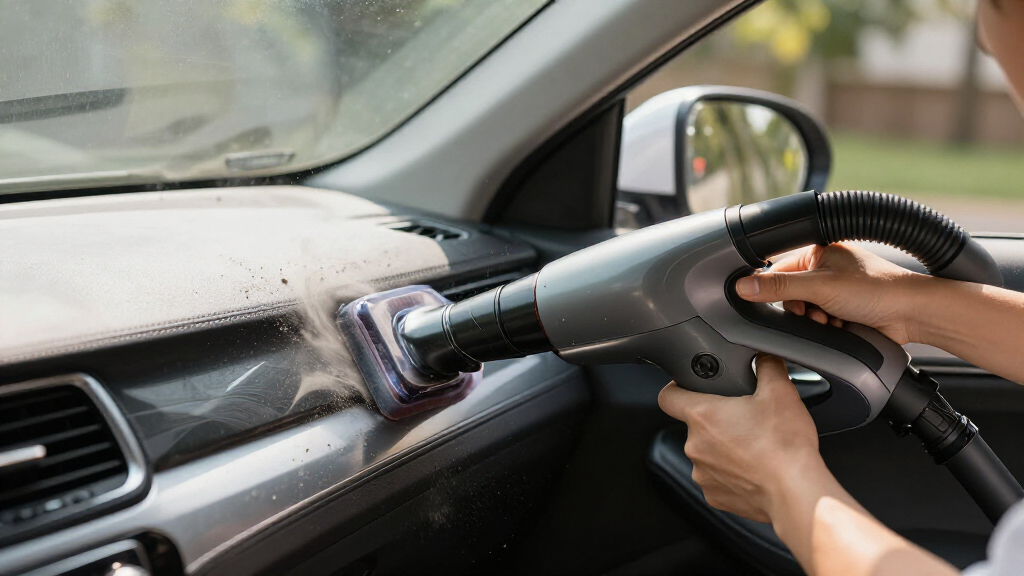
I ranked these 11 car vacuum cleaners against four buyer-relevant criteria. Suction and debris handling came first, because a car vacuum that can’t pull sand from carpet pile or pet hair from upholstery is useless regardless of price. I weighed claimed air watts and Pa ratings, but gave more weight to design factors that predict real-world performance: motor type (brushed vs. brushless), sealed airflow paths, and nozzle quality. Runtime and power source came second, since cordless models live or die by battery life and recharge time. Ergonomics and reach mattered third — weight, hose length, crevice tool access, and whether the machine can actually get under seats and into cupholders. Finally, I scored total cost of ownership, including replacement filters, missing batteries, and consumable bags.
The ranking logic follows a simple principle: match the tool to the job frequency. Heavy-duty shop vacuums sit at the top for people who detail their cars, while cordless handhelds are ranked by how well they balance suction against runtime and price. Models with inflated specs but thin accessory kits or single weak batteries ranked lower than their numbers alone would suggest. Where two products appeared nearly identical on paper — as with the two 50,000Pa picks — I separated them by included batteries, filter design, and warranty support.
Factors to Consider When Choosing Car Vacuum Cleaners
Before you pick a specific model, it helps to understand what actually separates a satisfying car vacuum from one that ends up in a junk drawer. These are the factors that shaped my rankings and the ones I’d weigh before spending anything.
Corded Power vs. Cordless Freedom
The single biggest decision is power source, and most buyers get this wrong by chasing convenience. Corded models like the ThisWorx and the Craftsman shop vac deliver consistent, full-power suction for as long as you clean — no fading, no recharging mid-job. The catch is that you need a power outlet or your car’s own 12V port, and a 16-foot cord limits where you can work. Cordless models free you from cables but impose a hard runtime ceiling, usually 15 to 30 minutes of real use. My advice: if you clean at home with garage access, go corded. If you clean on the road, at trailheads, or in parking lots, cordless is the only practical option, and you should buy a model with a swappable battery.
Suction Numbers Are Marketing — Airflow Design Is Reality
Manufacturers have entered an arms race of Pa claims, with several models in this roundup advertising 25,000 to 50,000Pa. Here’s what the numbers hide: peak suction measured at the motor means little if the hose, seals, and nozzle restrict airflow, and a clogged cheap filter can cut effective suction in half within minutes of use. Brushless motors (found in the higher-end picks here) maintain suction better under load and last longer than brushed motors. Cyclonic separation also matters more than raw power because it keeps debris off the filter, sustaining performance through a full cleaning session. Treat Pa ratings as a rough tier indicator, not a precision comparison.
Runtime, Batteries, and the Hidden Cost Trap
Runtime claims on product pages almost always reflect the lowest suction setting, so cut advertised numbers by 30 to 50 percent for realistic expectations. Models that ship with two batteries, like the dual-battery 50,000Pa picks in this lineup, effectively double your working window — a genuine advantage for full interior details. Watch out for the tool-ecosystem trap: the DEWALT vacuum body may look affordable, but if you don’t already own a 20V DEWALT battery and charger, the true cost jumps considerably. Always check what’s in the box before comparing prices, and factor in a spare battery if you plan to clean more than one vehicle per charge.
Wet-Dry Capability: Do You Actually Need It?
Only the Craftsman shop vacuum in this lineup handles wet messes, and that capability is why it earns a top spot despite its bulk. Spilled soda, muddy paw prints, and rain-soaked floor mats can’t be cleaned with a dry-only handheld — you’ll just smear the mess or wreck the motor. If you have kids, dogs, or a convertible that leaks, wet-dry capability should be non-negotiable. If your messes are strictly dry crumbs, dust, and gravel, paying extra for it means hauling around a heavier machine for no benefit. Be honest about your worst-case mess before choosing.
Attachments and Reach: The Difference Between Clean and Half-Clean
A car interior is a maze of tight spaces: seat rails, vent slats, door pockets, between console and seat. A vacuum with weak attachments leaves these zones untouched no matter how strong the motor is. Look for a crevice tool narrow enough for seat tracks, a brush head for dashboards (so you don’t scratch soft plastics), and an extension hose long enough to reach the trunk while the unit sits on a seat. The ThisWorx’s 16-foot cord paired with a decent hose gives better practical reach than many cordless models with short built-in nozzles. Count the attachments and picture yourself actually reaching under your pedals before you buy.
Maintenance and Filter Costs
Cheap handheld vacuums often cost more to maintain than to buy. Washable HEPA-style filters (standard on the DEWALT) save money over time, while proprietary disposable filters can quietly add $20-40 per year. Small dust cups mean frequent emptying — annoying mid-clean and messy if the release mechanism is poorly designed. Check whether replacement filters are actually available before purchasing obscure brands, because a discontinued filter turns the whole unit into e-waste. My rankings favor models with washable filters and readily available parts, since a vacuum’s real price is what you spend over three years, not on day one.
Frequently Asked Questions
Is a shop vacuum or a handheld vacuum better for cleaning cars?
It depends on how dirty your car gets and how often you clean it. A shop vacuum like the Craftsman offers far stronger suction, larger capacity, and wet-dry capability, making it the right tool for monthly deep cleans, sandy floors, and spilled liquids. A handheld like the DEWALT or Blestan wins for weekly touch-ups, quick crumb removal, and cleaning away from home. Many households end up happiest owning one of each — the handheld lives in the car, the shop vac lives in the garage. If you can only buy one and you clean at home, get the shop vacuum; its versatility extends to garage and workshop messes too.
How much suction do I actually need for a car interior?
For surface dust, crumbs, and light debris, anything above roughly 8,000-10,000Pa handles the job, which is why budget picks like the KMM remain useful. Embedded sand, pet hair woven into carpet, and ground-in dirt demand more — realistically the 15,000Pa-plus tier or a corded shop vacuum. Don’t pay a premium for 50,000Pa claims if your messes are light, because you’re also carrying extra battery weight and paying for capability you won’t use. The honest test is your floor mats: if shaking them out doesn’t remove everything, you need more suction than an entry-level handheld provides.
Are the cheap sub-$40 car vacuums on Amazon worth buying?
They can be, if your expectations match the price. Models like the Blestan and KMM are genuinely useful for dry crumbs, dust, and quick cleanups, and they’re cheap enough to keep in the trunk permanently. The tradeoffs are real: expect 15-20 minutes of effective runtime, small dust cups that need frequent emptying, filters that clog quickly, and motors that may not survive heavy weekly use. Where these budget units fail buyers is when they’re asked to replace a full-size vacuum for a family car full of kids’ messes. As a supplement, they’re great value; as your only car cleaning tool, most buyers outgrow them within months.
Why does the DEWALT vacuum cost less than similar models — am I missing something?
Yes, and it’s the most common pricing trap in this category. DEWALT sells the vacuum as a bare tool, meaning no battery or charger is included. If you already own DEWALT 20V power tools, this makes it an outstanding value since you’re reusing batteries you already have. If you’re starting from nothing, adding a battery and charger can push the true cost well above standalone competitors like the Monozel. The upside of the ecosystem approach is battery quality, availability of replacements for years, and HEPA filtration that cheap brands rarely match. Do the full math on your cart before checkout.
Do I need a vacuum with an air duster function built in?
The 2-in-1 vacuum-and-duster combo, found on the Monozel and KMM, sounds gimmicky but solves a real problem: blowing debris out of vents, seat rails, and crevices that suction alone can’t reach. If your dashboard vents collect dust or crumbs vanish into inaccessible gaps, the blower mode dislodges them so the vacuum can capture them. The tradeoff is that running the blower motor drains the battery faster, and combo units are typically slightly heavier than vacuum-only equivalents. If you mostly clean visible floor and seat surfaces, skip the feature and put the money toward suction or runtime. Detailers and owners of older cars with vent dust problems will use it constantly.
Conclusion
After comparing all 11 models, the right choice depends entirely on how you clean. For best overall performance, the Craftsman 2.5 Gallon Wet Dry Vacuum is unbeatable if you clean at home and want one machine that handles wet messes, deep carpet grit, and workshop duty. For best value, the Blestan 3-in-1 covers the basics at a price that’s easy to justify for occasional cleanups. Buyers who want a premium cordless experience should choose between the DEWALT 20V (if they own DEWALT batteries) or the 50,000Pa dual-battery models for maximum cordless suction and runtime. For beginners, the BLACK+DECKER AdvancedClean is the friendliest pick — simple controls, wall-mount charging, and a rotating nozzle that makes first-time cleaning intuitive. And for specific needs: the ThisWorx corded model for zero battery anxiety, the Monozel for blowing dust from vents, and the KMM for a trunk-mounted budget backup. Match the tool to your habits, and you won’t regret the purchase.
Halloween Picks
halloween
As an affiliate, we earn on qualifying purchases.