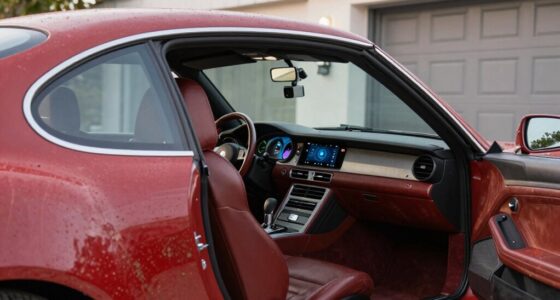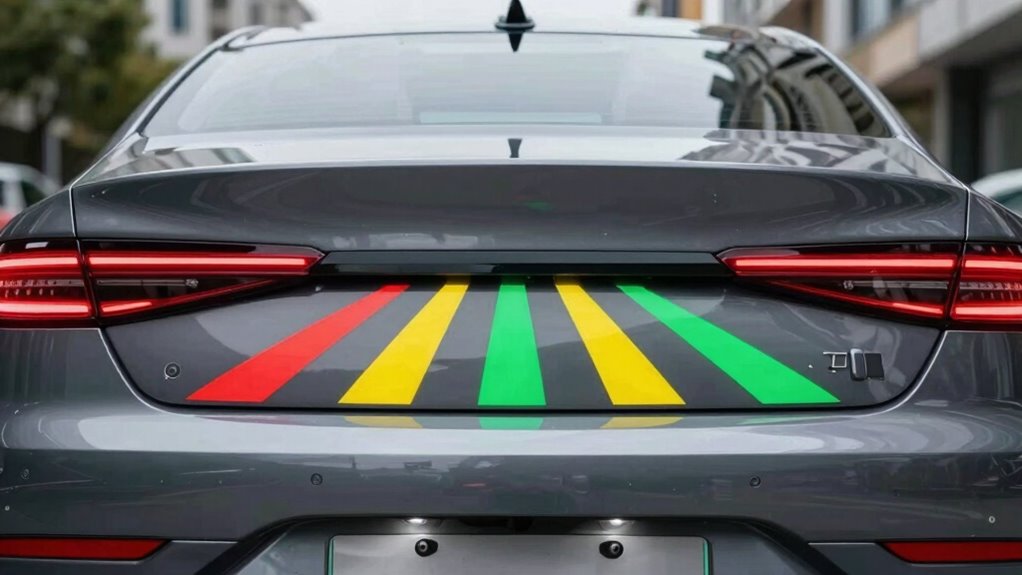

To see if parking sensors really help your driving, check if they are properly installed at the right height and angle. Keep them clean and well-maintained, and make sure they’re calibrated after any impacts or repairs. Be aware of how weather and environmental factors may affect their performance. When these sensors are correctly set up and taken care of, they can boost your safety and confidence considerably. Keep exploring to learn more tips about maximizing their usefulness.
Listen free for 30 days with Audible
Thousands of audiobooks and originals — cancel anytime.
As an affiliate, we earn on qualifying purchases.
Key Takeaways
- Proper installation at correct height and angle ensures sensors detect obstacles accurately.
- Regular cleaning and calibration maintain sensor sensitivity and reduce false alarms.
- Understanding the sensor’s detection range helps anticipate their effectiveness during parking.
- Environmental conditions and weather can impact sensor performance, affecting their usefulness.
- Professional support for diagnostics and repairs ensures sensors function reliably to improve safety.
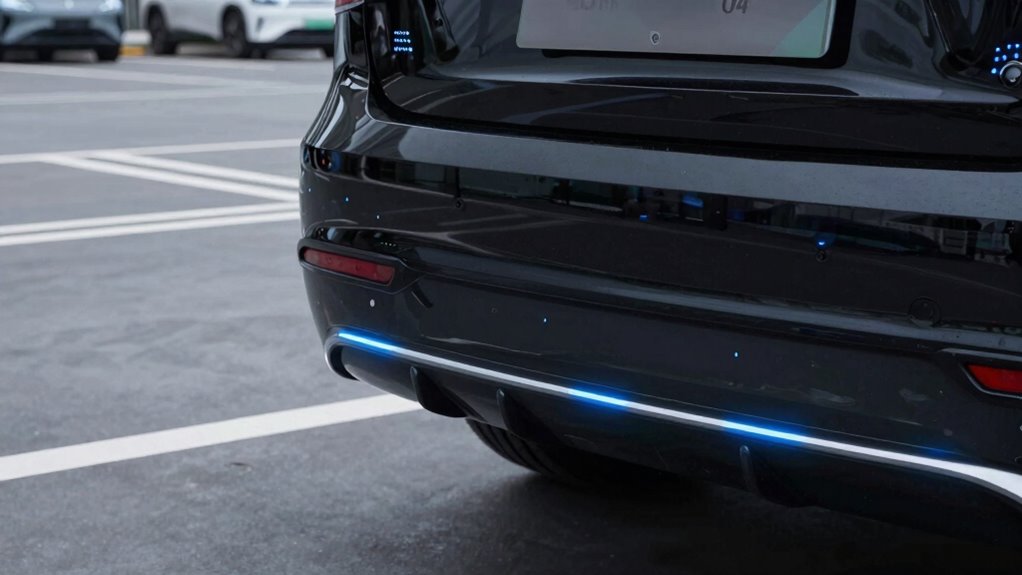
Parking sensors are designed to make your parking experience safer and easier, but you might wonder if they’re actually helpful. The effectiveness of parking sensors often depends on proper sensor installation. When sensors are correctly installed, they should be positioned at the right height and angle to accurately detect obstacles around your vehicle. If they’re installed too high, too low, or at the wrong angle, their ability to alert you to nearby objects diminishes. This could lead to false alarms or missed detections, making you question whether the sensors are worth having. It’s important to have these sensors installed by professionals or follow manufacturer instructions carefully if you’re doing it yourself. Proper sensor installation ensures they work as intended, providing you with reliable feedback during parking maneuvers.
Once installed, sensor maintenance becomes essential in keeping your parking sensors effective. Over time, sensors can get dirty, covered in mud, snow, or debris, which hampers their ability to detect obstacles. Regularly cleaning the sensors with a soft cloth and gentle cleaning solution can prevent build-up and maintain their sensitivity. If you notice your sensors are beeping unnecessarily or failing to alert you when objects are nearby, it might be time for a diagnostic check. Sometimes, sensor malfunction can occur due to wiring issues, corrosion, or damage from impacts. Addressing these problems quickly through sensor maintenance or replacement keeps your system functioning smoothly and reassures you that your sensors are helping, not hindering, your parking efforts. Additionally, sensor calibration**** is a critical step in maintaining their accuracy, especially after repairs or impacts that could misalign the sensors.
Furthermore, understanding the sensor detection range can help you interpret their signals more accurately and avoid relying solely on their alerts. You should also pay attention to the calibration of your sensors after any significant impact or repair. Misaligned sensors can give inaccurate readings, leading you to rely on faulty alerts. Ensuring proper sensor calibration is part of ongoing sensor maintenance, which helps you tell if your parking sensors are truly helping. If your sensors are well-maintained and properly installed, they should provide consistent, clear signals that allow you to gauge distance accurately and avoid obstacles. In addition, being aware of the sensor operating conditions can help you optimize their performance and prevent false alarms caused by adverse weather or environmental factors. Neglected sensors or poor installation might give you false confidence or constant false alarms, which can be more distracting than helpful. Regular sensor diagnostics can also alert you to potential issues before they become major problems.
Proper understanding of sensor technology can further improve your ability to interpret their signals and utilize them effectively. In the end, the real test of whether parking sensors help is whether they make your parking safer and more confident. Keep the sensors clean, check their calibration regularly, and ensure they’re installed correctly from the start. When these steps are followed, parking sensors can be a valuable aid, reducing the stress and risk associated with parking in tight spaces or crowded areas. If you notice persistent issues, it’s worth consulting a professional to troubleshoot and maintain your system, confirming that your sensors are truly doing their job.

ELSNU Car Parking Sensors Kit Reverse Radar parktronic System Auto Electronics Vehicle Back Assistant Reverse 8 Sensor (Black)
- Ultrasonic obstacle detection: Emits and receives ultrasonic waves to detect obstacles
- Multi-sensor activation: Reversing activates rear sensors; braking activates front sensors
- Multiple alert methods: Sound, display, and light bar alerts
As an affiliate, we earn on qualifying purchases.
As an affiliate, we earn on qualifying purchases.
Frequently Asked Questions
Are Parking Sensors Compatible With All Vehicle Types?
Parking sensors aren’t compatible with all vehicle types, but many models can be fitted with the right adjustments. You should check sensor calibration and guarantee your vehicle’s compatibility before installation. Some sensors work better with newer models or specific makes, so verify compatibility details. If you’re unsure, consult your vehicle’s manual or a professional installer to confirm whether the sensors will work effectively with your car.
Do Parking Sensors Require Professional Installation?
Parking sensors typically require professional installation to guarantee proper sensor calibration and an accurate installation process. While some models may be DIY-friendly, most benefit from expert handling to avoid issues like false alerts or sensor misalignment. Professionals handle the wiring, calibration, and integration with your vehicle’s system, ensuring the sensors work seamlessly. This helps maximize safety and reliability, giving you confidence when parking or reversing.
How Much Do Parking Sensors Typically Cost?
Parking sensors typically cost between $20 and $150 per sensor, depending on the type you choose, like ultrasonic or electromagnetic sensors. On average, a complete system can range from $200 to $600. Remember, sensor maintenance is simple but vital for accuracy. Higher-end sensors often come with better durability and features. Investing in the right sensor type ensures your parking aids work effectively, reducing minor collisions and easing tight maneuvers.
Can Parking Sensors Prevent All Parking Accidents?
Parking sensors can’t prevent all parking accidents because of their limitations and false alarm risks. They help you avoid many obstacles, but they might miss small or low-lying objects. Sometimes, sensors give false alarms, which can distract you or cause unnecessary stops. So, while they greatly improve safety and make parking easier, you still need to use your mirrors and judgment for complete security.
How Long Do Parking Sensors Usually Last?
You might think parking sensors last forever, but they typically need replacement after 3 to 5 years. Regular sensor maintenance helps extend their lifespan, while sensor calibration guarantees they’re working accurately. Over time, dirt, damage, or corrosion can impair sensors, making calibration essential. Keep an eye on their performance, clean them regularly, and consult a professional for calibration to ensure your sensors stay reliable and last as long as possible.

Performance Tool W3000 Automotive Electronic Parking Brake Tool
- Easy Diagnostic Reading: Reads trouble codes and ECU data
- Wide Vehicle Compatibility: Supports Audi, VW, Mercedes, Volvo models
- Caliper Operation: Opens and closes brake calipers quickly
As an affiliate, we earn on qualifying purchases.
As an affiliate, we earn on qualifying purchases.
Conclusion
Ultimately, parking sensors are like having a trusted friend guiding you in tight spots. I once underestimated their value until I missed a curb by mere inches, thanks to their beep. Studies show that drivers with sensors reduce parking accidents by up to 60%. If you want confidence and peace of mind on busy streets, these sensors are your reliable co-pilot, turning tricky parking into a smooth, stress-free experience.

LogicXYZ Garage Parking Assistant with Parking Aid Sensor – New Model – Free 1 Year Replacement Warranty – Parking Stopper for Garage – No Laser Parking
- Real-Time Distance Display: Digital screen shows exact distance
- Dual Ultrasonic Sensors: High-accuracy vehicle detection
- Auto Shut-Off: Energy-saving display turns off after 10 seconds
As an affiliate, we earn on qualifying purchases.
As an affiliate, we earn on qualifying purchases.
ELSNU Car Parking Sensors Kit Reverse Radar parktronic System Auto Electronics Vehicle Back Assistant Reverse 8 Sensor (Black)
- Ultrasonic obstacle detection: Emits and receives ultrasonic waves to detect obstacles
- Multi-sensor activation: Reversing activates rear sensors; braking activates front sensors
- Multiple alert methods: Sound, display, and light bar alerts
As an affiliate, we earn on qualifying purchases.
As an affiliate, we earn on qualifying purchases.
Flea & tick season Picks
flea and tick prevention
As an affiliate, we earn on qualifying purchases.