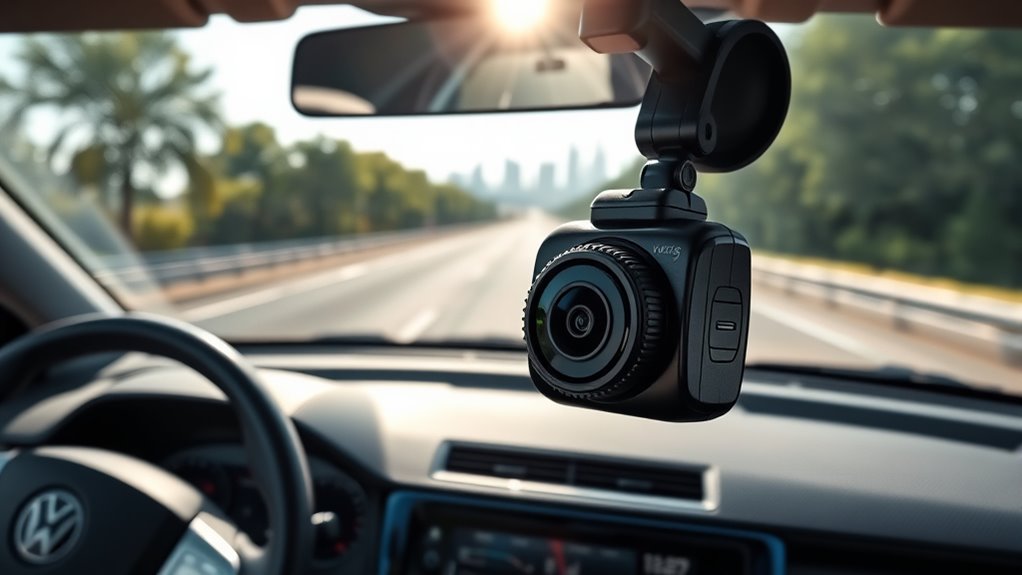

When using a dash cam, you can generally record what’s happening on public roads, but you need to respect privacy laws and avoid capturing private conversations or property without permission. Avoid recording in restricted areas like schools or government buildings, and be careful about sharing sensitive footage. Always store videos securely and stay informed about your local laws, as illegal recordings can lead to trouble. To better understand your rights and limitations, keep exploring the details further.
Open a free Amazon Business account
Business pricing, bulk buying and tax-exempt orders.
As an affiliate, we earn on qualifying purchases.
Key Takeaways
- Recording on public roads is generally legal, but private property and private conversations may be restricted.
- Avoid capturing private conversations or sensitive information to comply with wiretapping and privacy laws.
- Store footage securely and be aware of local laws regarding retention and sharing of recorded content.
- Refrain from recording in restricted areas like schools or government buildings to avoid legal issues.
- Use dash cam footage responsibly, respecting privacy rights and avoiding invasive or malicious recordings.

Using a dash cam can be a smart way to protect yourself on the road, but understanding the legal landscape is crucial before installing one. One of the main concerns is privacy—both yours and that of others—and how footage storage impacts your rights. While dash cams are becoming more popular, knowing what’s legal to record and how to handle your footage can save you from potential legal trouble.
First, consider privacy concerns. When you record on public roads, you’re generally allowed to capture footage because the public domain doesn’t have an expectation of privacy. However, recording in private properties or inside private vehicles introduces restrictions. If your dash cam records audio inside the car, be aware that recording conversations without consent can violate wiretapping laws, depending on your state. To avoid infringing on others’ privacy rights, keep recordings focused on the road and avoid capturing sensitive information, such as personal conversations or private property.
Recording on public roads is generally legal, but private property or vehicle recordings have restrictions.
Footage storage is another critical aspect. You should store your recordings securely, preferably on encrypted drives or cloud services with strong security measures. Many dash cams automatically overwrite the oldest footage once storage is full, which is useful for managing space but could mean losing important data if you don’t back it up. It’s wise to regularly transfer relevant clips to a secure location if you might need them as evidence later. Also, check local laws regarding how long you’re permitted to keep recordings. Some jurisdictions may have limits, especially if recordings contain identifiable individuals, so staying informed helps you stay compliant. Additionally, understanding the legal requirements for footage retention can help you avoid unintentional violations.
Knowing what you can record is equally crucial. While it’s generally legal to record your own vehicle’s footage, recording other drivers or pedestrians can become complicated if the footage is used in legal disputes or shared publicly. Avoid sharing footage that captures private moments without consent, as this could breach privacy laws or lead to defamation claims. Furthermore, some regions have specific restrictions on recording in certain areas, like schools or government buildings, so be aware of any local ordinances that may restrict your dash cam’s operation.
Finally, always respect the rules of the road and avoid invasive behaviors, such as intentionally recording private areas or using footage for harassment. Even with a dash cam, legal boundaries exist, and ignorance isn’t a shield. By understanding the importance of privacy concerns and managing footage storage responsibly, you can enjoy the benefits of your dash cam without risking legal repercussions. Staying informed and cautious ensures your device serves as a helpful tool rather than a source of legal trouble. Being aware of privacy laws and how they apply to dash cam footage can further protect you from potential legal issues.
Frequently Asked Questions
Can I Record Audio Without Informing Other Drivers?
You can record audio without informing other drivers, but be aware of privacy concerns. Laws vary by state, and some places require consent for audio recording, especially if it captures private conversations. If you’re recording audio, make sure you’re compliant with local regulations to avoid legal issues. Always consider privacy and ethical implications, and remember that in some cases, recording without consent could lead to legal consequences.
Are There Restrictions on Recording Inside Private Property?
You can record inside private property, but it’s like walking a tightrope—privacy concerns and property ownership matter. Laws vary by state, and you need permission if you’re recording in someone’s home or private space. Typically, you can record in public areas of private property but avoid capturing private conversations or sensitive activities. Always respect privacy laws to avoid legal trouble and remember, consent is key to staying on the right side of the law.
How Long Can Footage Be Legally Stored?
You can store footage from your dash cam for as long as your state’s legal retention policies allow, but typically, it’s around 30 to 90 days. Some jurisdictions may require you to delete recordings after a certain period unless they’re part of an ongoing investigation or legal case. Always check local laws to guarantee your storage duration complies with legal retention requirements and avoid potential issues.
Is It Legal to Share Dash Cam Videos Online?
Yes, you can share dash cam videos online, but you should be cautious about privacy concerns. Make sure the footage doesn’t reveal personal information or invade someone’s privacy. Also, consider data retention policies; keep in mind that sharing might expose stored videos longer than intended. Always respect privacy laws and get consent if needed, to avoid legal issues and protect everyone’s rights.
Do Different States Have Varying Dash Cam Laws?
They say, “know the rules before you break them,” and the same applies to dash cam laws. Different states have varying rules on privacy concerns and recording consent, so you need to check local regulations. Some states require consent from all parties before recording, while others don’t. Stay informed to avoid legal trouble and respect others’ privacy while capturing footage on the road.
Conclusion
Ultimately, understanding what you can and can’t record with your dash cam helps protect you on the road—and sometimes, the most unexpected moments can serve as essential proof. It’s funny how a simple device, when used responsibly, can become your silent witness in times of need. Just like life’s surprises, your dash cam’s recordings remind us that being aware and respectful of the law can turn even coincidence into clarity, keeping you safer every mile.
Fall Picks
fall essentials
As an affiliate, we earn on qualifying purchases.