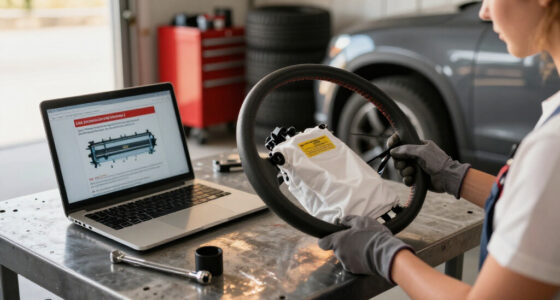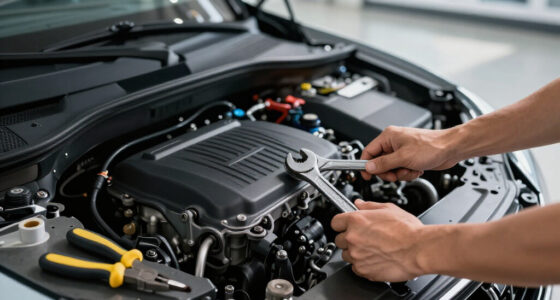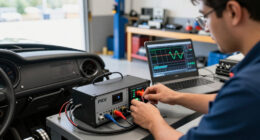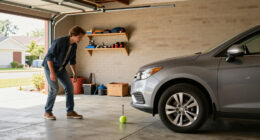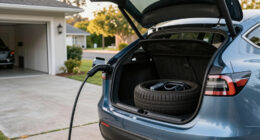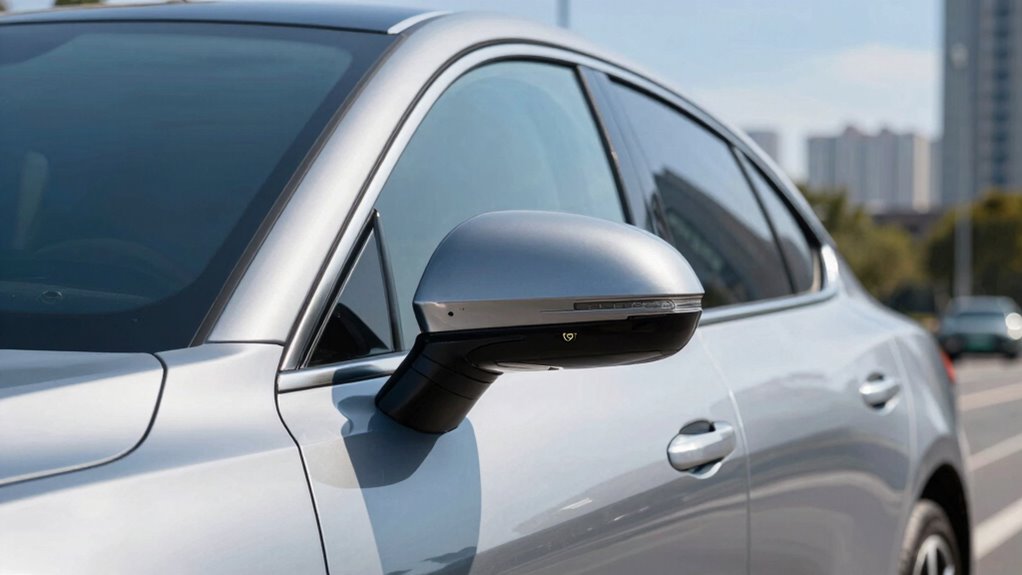
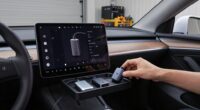
Before adding a blind spot detection system, you should understand how it works and the importance of proper calibration for accuracy. Make sure the system is compatible with your vehicle and that adjustable sensitivity settings meet your needs. Regular maintenance and calibration by qualified technicians are essential to avoid false alerts or missed warnings. Also, familiarize yourself with local laws concerning installation and use. Staying informed can help you get the most safety benefits—there’s more to discover if you keep exploring.

Get garage and car supplies delivered free — and shop member deals
- Fast, free delivery on millions of items
- Access to Prime Big Deal Days deals on October 6–7
- Prime Video, Amazon Music and more included
Key Takeaways
- Ensure proper calibration and maintenance by qualified technicians to prevent false alerts or missed warnings.
- Verify local laws and regulations regarding system installation and use before adding blind spot detection.
- Choose systems with adjustable sensitivity and clear alert signals to suit your vehicle and driving habits.
- Recognize that sensor calibration may be needed periodically, especially in complex environments or after vehicle modifications.
- Understand that blind spot detection systems are supplementary safety features, requiring driver vigilance at all times.
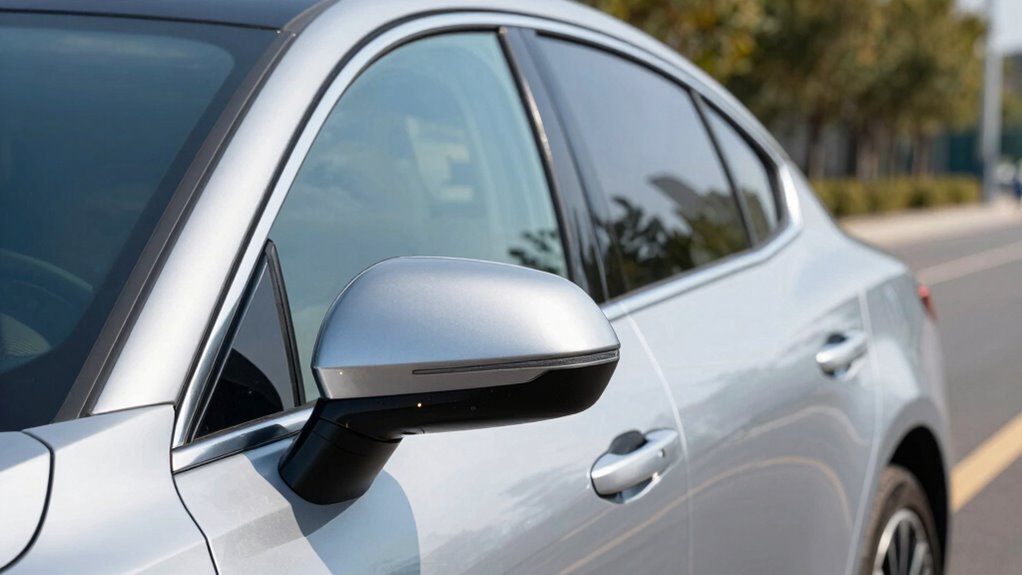
Have you ever worried about changing lanes safely? If so, installing blind spot detection systems could give you peace of mind and boost your confidence on the road. These systems use sensors to monitor areas that are hard to see through your mirrors, alerting you when a vehicle is in your blind spot. But before you go ahead with adding one, it’s important to understand how they work and what you need to consider. One key aspect is sensor calibration. After installation, the sensors must be properly calibrated to ensure accurate detection. If calibration isn’t done correctly, the system might give false alerts or fail to warn you of nearby vehicles, defeating its purpose. Regular maintenance and recalibration might be necessary over time, especially if your vehicle has been in an accident or undergone repairs. Ensuring the sensors are aligned properly is essential for safe and reliable operation, so you should work with qualified technicians who understand the specifics of your vehicle’s system. Additionally, understanding sensor calibration is crucial for maintaining the system’s effectiveness over time. Proper calibration can be particularly challenging in complex environments, which highlights the importance of technician expertise to ensure optimal system performance. It’s also helpful to be aware of how landscape factors can influence sensor accuracy and reliability, especially in varied driving conditions.
In addition to technical considerations, you should also be aware of the legal considerations surrounding blind spot detection systems. Laws regarding the use of such technology can vary depending on your location. Some jurisdictions may require that the system be installed by authorized professionals, or they may have specific standards for sensor calibration and system accuracy. It’s a good idea to check local regulations before purchasing or installing a system to make sure you stay compliant. Also, keep in mind that blind spot detection is meant to supplement, not replace, your own vigilance. Relying solely on the system can lead to complacency, and legal considerations might come into play if the system fails due to improper installation or maintenance.
Before you decide, do your research to find a system compatible with your vehicle and your driving habits. Look for features like adjustable sensitivity and clear visual or audio alerts, which can make the system more effective for your needs. Remember, the goal is to make your driving safer, not just to install a gadget. Proper sensor calibration and understanding the legal landscape help ensure you’re using your blind spot detection system effectively and responsibly. When installed correctly and maintained well, these systems can significantly reduce the risk of accidents caused by unseen vehicles in your blind spots, giving you greater confidence behind the wheel.
blind spot detection system for cars
As an affiliate, we earn on qualifying purchases.
As an affiliate, we earn on qualifying purchases.
Frequently Asked Questions
How Accurate Are Blind Spot Detection Systems in Bad Weather?
Blind spot detection systems are less accurate in bad weather because sensor calibration can be affected by rain, snow, or fog. These conditions reduce weather resilience, making sensors less reliable at detecting vehicles or objects in your blind spots. You should be aware that in poor weather, these systems might give false alerts or fail to activate. Always double-check mirrors and surroundings, especially during adverse weather, to stay safe.
Do Blind Spot Detectors Require Professional Installation?
They say “a stitch in time saves nine,” and that’s true for blind spot detectors too. While some systems are DIY-friendly, many require professional installation to guarantee proper system calibration and peak performance. Installation costs vary depending on your vehicle and system complexity. For safety and accuracy, it’s best to have a professional handle the installation, saving you time and potential future expenses due to incorrect setup.
Are Blind Spot Detection Systems Compatible With All Vehicle Models?
Blind spot detection systems aren’t compatible with all vehicle models, but many can be integrated with existing setups through proper sensor calibration. You should check if your vehicle supports system integration and whether calibration is needed after installation. Some cars may require specific mounting or adjustments, so consulting a professional guarantees maximum performance and safety. Always verify compatibility before purchasing to avoid issues with sensor coverage or false alerts.
How Does Blind Spot Detection Impact Insurance Premiums?
Adding blind spot detection can lead to insurance discounts and premium adjustments, making your coverage more affordable. Insurance companies view these systems as safety enhancements, reducing accident risks. As a result, you might see lower premiums or qualify for discounts. Keep in mind, however, that the impact varies by insurer and driving history. So, installing blind spot detection could be a smart move to improve safety and potentially save you money.
Can Blind Spot Detection Be Added to Older Vehicles?
Yes, you can add blind spot detection to older vehicles, but you need to check vehicle compatibility first. Not all cars are suitable for the system, especially if they lack the necessary sensors or wiring. Installation requirements vary, so it’s essential to consult with a professional who can assess your vehicle’s setup and guarantee the system integrates properly. This way, you’ll enjoy added safety without compromising your vehicle’s integrity.
car blind spot sensor calibration kit
As an affiliate, we earn on qualifying purchases.
As an affiliate, we earn on qualifying purchases.
Conclusion
Think of blind spot detection as a loyal lighthouse keeper, standing guard in the fog, guiding you safely through unseen hazards. It’s your silent guardian, illuminating danger before it’s too late. By embracing this technology, you’re choosing to navigate the treacherous waters of traffic with confidence and care. Remember, just as a lighthouse saves ships from wreckage, blind spot detection keeps you and your loved ones safe on every journey.
adjustable sensitivity blind spot monitor
As an affiliate, we earn on qualifying purchases.
As an affiliate, we earn on qualifying purchases.
vehicle blind spot warning system
As an affiliate, we earn on qualifying purchases.
As an affiliate, we earn on qualifying purchases.
Fall Picks
fall essentials
As an affiliate, we earn on qualifying purchases.