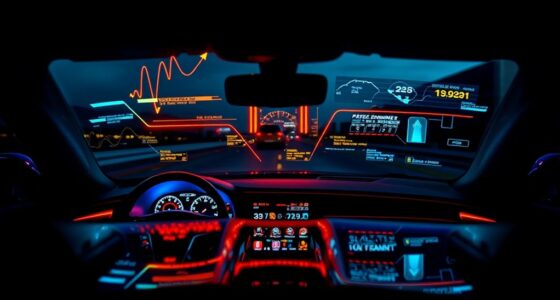
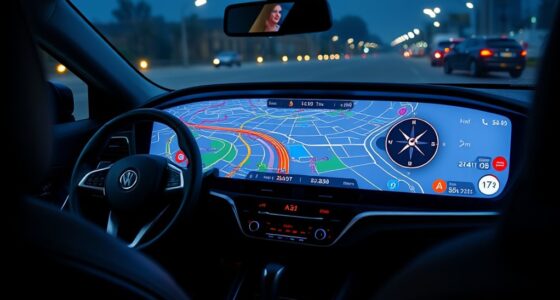
Speeding alerts, whether from dedicated devices or smartphone apps, help you stay within legal speed limits by providing real-time feedback as you drive. These tools use GPS technology to monitor your current speed and warn you with beeps, visual cues, or notifications when you near or exceed the limit. They promote safer driving habits and can help you avoid tickets. If you want to discover the best options, keep exploring what’s available.
Key Takeaways
- Speeding alert devices and apps use GPS technology to monitor current speed and alert you before exceeding limits.
- Many options include visual, audible, or customizable warnings to promote safer driving habits.
- Smartphone apps can sync with vehicle systems for real-time speed limit notifications and community updates.
- These tools help prevent speeding tickets, reduce accident risk, and encourage law-abiding driving behavior.
- Future advancements will enhance accuracy, add safety features, and support smarter, more responsible driving.
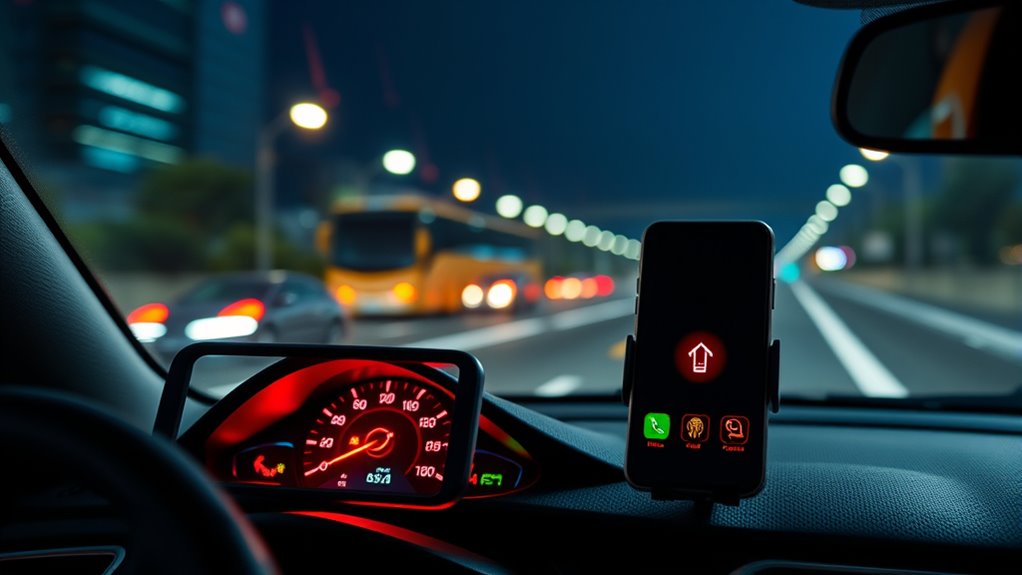
Have you ever wondered how to stay safer on the road and avoid speeding tickets? If so, installing or using speeding alert systems can be a smart move. These devices are designed to help you monitor your speed in real-time, giving you instant feedback so you can slow down before crossing the limit. Modern driver safety technology has advanced considerably, making it easier than ever to stay within legal speeds and avoid costly fines or dangerous situations. Whether you’re commuting, running errands, or heading out for a road trip, these systems serve as an essential tool for attentive driving. Many of these devices also incorporate connected technology that can sync with your smartphone or vehicle systems, providing even more comprehensive safety features.
Speeding alert systems come in various forms, from standalone devices to integrated features within your vehicle. Many portable gadgets easily attach to your dashboard or windshield, using GPS technology to track your current speed and compare it to posted limits. When you approach or exceed the limit, the system emits a warning, such as a beep, chime, or visual alert. Some high-tech systems even offer customizable alerts, allowing you to set specific thresholds or receive notifications about changing speed zones. This immediate feedback helps you develop better driving habits and stay conscious of your speed without constantly checking the speedometer.
Driver safety technology has made these systems more dependable and user-friendly. Many speeding alert apps are now available on smartphones, utilizing GPS data to alert you when you’re approaching a speed limit or are over it. These apps often feature real-time map updates, community-based speed limit data, and additional safety features like crash alerts or traffic updates. The integration of these apps with your vehicle’s infotainment system can make alerts even more seamless, ensuring you stay focused on the road rather than fiddling with your device.
Using these tools not only helps you avoid tickets but also promotes safer driving habits. By consistently paying attention to your speed, you reduce the risk of accidents caused by excessive speeding. Many driver safety technology options also include features that provide feedback after your trip, showing you where you may have exceeded limits and encouraging more mindful driving in the future.
Incorporating speeding alert systems into your driving routine is a proactive way to stay compliant with traffic laws while safeguarding your life and those around you. As technology continues to evolve, these devices will become even more sophisticated, offering greater accuracy and more detailed safety features. Embracing these innovations empowers you to drive smarter, safer, and more responsibly on every journey.
Frequently Asked Questions
Do These Devices Work Without an Internet Connection?
Many speeding alert devices and apps offer offline functionality, so they work without an internet connection. This means you get real-time alerts based on GPS data directly from your device, guaranteeing device independence. You don’t need to be online for these features to operate, making them reliable even in areas with poor signal. Just confirm your device’s GPS is active, and you’ll stay informed about your speed regardless of internet availability.
Are Speeding Alert Apps Compatible With All Smartphones?
Speeding alert apps are like universal translators for drivers, but not all are compatible with every smartphone. You need to check the app’s compatibility with your device’s operating system and confirm your smartphone meets the requirements. Some apps work on both iOS and Android, while others are limited. Always verify the speeding app compatibility and smartphone requirements before downloading to ensure seamless alerts and safety on the road.
How Accurate Are Gps-Based Speed Alerts?
GPS-based speed alerts are generally quite accurate, but their precision depends on speed limit accuracy and GPS precision. You can trust these alerts to warn you when you’re near or exceeding the limit, but keep in mind that signal disruptions or outdated map data might cause slight discrepancies. To stay safe, always pay attention to road signs and use apps as a helpful supplement, not a sole source of speed information.
Can These Devices Alert for Other Driving Violations?
While these devices primarily focus on speeding violations, they can sometimes alert you to other driving issues, like harsh braking or rapid acceleration. However, don’t rely solely on them, as device limitations exist, and some violations might slip through. Staying aware of your driving habits and using these alerts as a helpful tool rather than a complete solution keeps you safer on the road and helps avoid penalties.
What Is the Battery Life Impact of Using These Apps?
Using these apps can impact your battery life due to increased battery consumption from constant GPS tracking and notifications. However, many apps are designed for efficiency, minimizing power drain by adjusting update frequencies and using low-energy modes. To optimize battery life, you should tweak app settings, close unnecessary background apps, and keep your device updated. This way, you can enjoy the benefits of alerts without markedly sacrificing your device’s battery performance.
Conclusion
With speeding alerts, you stay in the driver’s seat and out of trouble. These devices and apps help you keep your foot on the brake and avoid the pitfalls of speeding. Remember, it’s better to be safe than sorry, so take advantage of these tools to stay within the limits. By doing so, you won’t just save yourself from fines or accidents—you’ll keep your journey smooth and stress-free. Drive smart and stay alert!