
TL;DR

Get business pricing on garage and car supplies
- Business-only prices and quantity discounts
- Tax-exempt purchasing
- Multiple users, one account, clear invoices
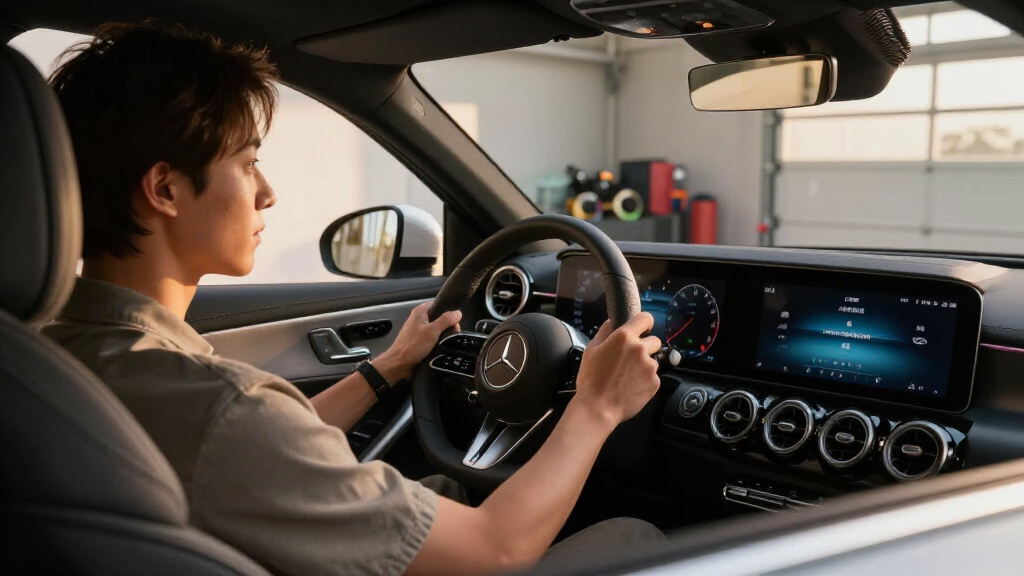
Mercedes-Benz is partnering with AI startup Wayve to develop an autonomous driving system similar to Tesla’s FSD, targeting a launch within two years. The move signals a strategic shift in Mercedes’ automation efforts amid rising interest in AI-driven vehicle tech.
Mercedes-Benz has announced plans to partner with AI startup Wayve to develop a new autonomous driving system comparable to Tesla’s Full Self-Driving (FSD) within the next two years. The collaboration aims to accelerate Mercedes’ entry into high-level automation, signaling a strategic shift in its autonomous vehicle ambitions. The move comes amid rising industry interest in AI-powered driving systems and increased competition among automakers to lead in autonomous tech.
Sources familiar with the matter indicate that Mercedes-Benz has entered into an agreement with Wayve, a UK-based AI startup known for its machine learning-driven approach to autonomous driving. The partnership is expected to result in a commercial-grade system that could be integrated into Mercedes vehicles by 2025 or 2026. While specific technical details remain undisclosed, the collaboration reportedly focuses on leveraging Wayve’s AI algorithms and deep learning methods to enhance Mercedes’ existing driver-assistance features.Mercedes has been gradually expanding its autonomous capabilities, but the new partnership aims for a more comprehensive, Tesla-like Full Self-Driving experience. Industry analysts suggest Mercedes is seeking to catch up with Tesla, which has been deploying FSD Beta to select customers, and other competitors like GM’s Cruise and Ford’s Argo AI. The timeline of two years aligns with Mercedes’ recent statements about accelerating development efforts in autonomous tech, though official confirmations are pending.It is not yet clear whether Mercedes will pursue a purely SAE Level 4/5 system or focus on advanced driver-assistance features that require human oversight. The company has not issued a formal statement, and representatives declined to comment on specifics, citing ongoing negotiations.
Why Mercedes’ Partnership with Wayve Is a Major Industry Shift
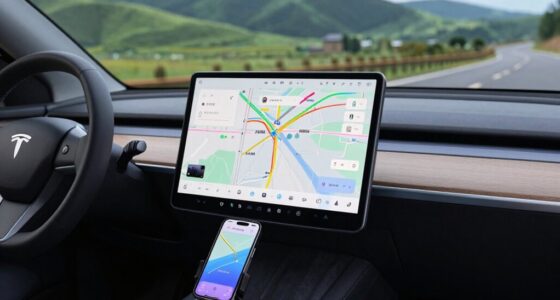
This collaboration indicates Mercedes-Benz’s serious commitment to competing in the rapidly evolving autonomous vehicle market. By partnering with Wayve, a startup known for its innovative AI techniques, Mercedes aims to leapfrog traditional development hurdles and accelerate deployment of high-level automation. If successful, the system could significantly improve safety, convenience, and vehicle value, impacting consumer adoption and regulatory approaches. The move also signals a broader industry trend toward AI-driven solutions, with automakers seeking to leverage cutting-edge machine learning to achieve full autonomy. For consumers, this could mean more advanced driver-assistance features and, eventually, fully autonomous vehicles from a traditional luxury automaker, challenging Tesla’s current lead in FSD technology.Mercedes-Benz autonomous driving system
As an affiliate, we earn on qualifying purchases.
As an affiliate, we earn on qualifying purchases.
Mercedes’ Autonomous Development Efforts and Industry Trends
Mercedes-Benz has historically taken a cautious approach to autonomous driving, focusing on Level 2 and Level 3 features like adaptive cruise control and lane-keeping assist. Over the past few years, the company has partnered with various tech firms and invested in research to enhance its capabilities. Meanwhile, industry-wide interest in autonomous vehicles has surged, driven by advancements in AI, sensors, and regulatory discussions. Tesla’s FSD Beta program has garnered attention for its aggressive rollout, while other automakers like GM and Ford are testing autonomous systems through their respective subsidiaries.Wayve, founded in 2017 in the UK, has gained recognition for its machine learning approach that emphasizes end-to-end learning and minimal reliance on traditional sensor-based mapping. Its technology is considered promising but still in early deployment stages. The partnership with Mercedes marks a significant step for Wayve, potentially providing the scale and resources needed for commercial application. The interest in such collaborations has spiked recently, fueled by broader industry shifts toward AI and automation, though specific project timelines and technical capabilities remain unconfirmed.
Tesla FSD compatible car accessories
As an affiliate, we earn on qualifying purchases.
As an affiliate, we earn on qualifying purchases.
Unconfirmed Details About System Capabilities and Timeline
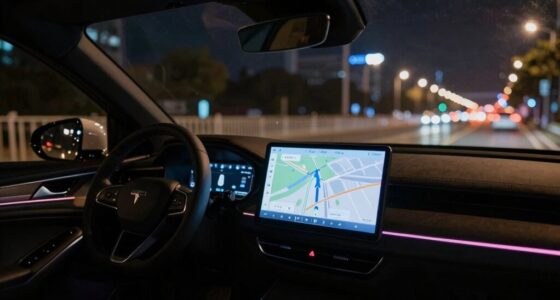
It is not yet clear whether Mercedes’ new system will be a full SAE Level 4/5 autonomous platform or primarily an advanced driver-assistance system. The exact technical specifications, deployment timeline, and regulatory approval process remain undisclosed, and official confirmation from Mercedes or Wayve is pending. Industry insiders suggest the two-year timeline is ambitious but plausible, given recent AI advancements, though risks and technical hurdles could alter the schedule.driver assistance system for Mercedes
As an affiliate, we earn on qualifying purchases.
As an affiliate, we earn on qualifying purchases.
Next Steps in Mercedes-Wayve Collaboration and Industry Impact
Mercedes and Wayve are expected to formalize details of their partnership in the coming months, potentially announcing a prototype or pilot program within a year. The companies will likely seek regulatory approval and conduct extensive testing before commercial deployment. Industry observers will watch for official statements, technical disclosures, and real-world testing results that could influence market dynamics and competitive strategies in autonomous driving. The development also raises questions about regulatory pathways and consumer acceptance of AI-driven self-driving systems from traditional automakers.As an affiliate, we earn on qualifying purchases.
Key Questions
Will Mercedes’ new system be fully autonomous?
It is not yet confirmed whether the system will be SAE Level 4 or Level 5. Current information suggests it may initially focus on advanced driver-assistance features with potential progression toward full autonomy.
How does Wayve’s technology differ from Tesla’s FSD?
Wayve emphasizes end-to-end machine learning approaches that rely less on traditional sensor mapping, aiming for more adaptable and scalable autonomous systems. Tesla’s FSD relies heavily on sensor fusion and pre-mapped data.
When can consumers expect to see this system in Mercedes vehicles?
If development proceeds as planned, a commercial release could occur around 2025 or 2026, but official timelines are yet to be confirmed by Mercedes or Wayve.
What are the regulatory challenges for this technology?
Autonomous systems face complex regulatory approval processes that vary by region. The timeline for approval and deployment will depend on safety testing, legal frameworks, and industry standards.
Could this partnership impact Tesla’s market dominance?
Potentially, if Mercedes delivers a reliable, high-level autonomous system within two years, it could challenge Tesla’s current lead in FSD adoption and influence industry standards.
Source: rss
Fall Picks
fall essentials
As an affiliate, we earn on qualifying purchases.