
TL;DR

Get business pricing on garage and car supplies
- Business-only prices and quantity discounts
- Tax-exempt purchasing
- Multiple users, one account, clear invoices
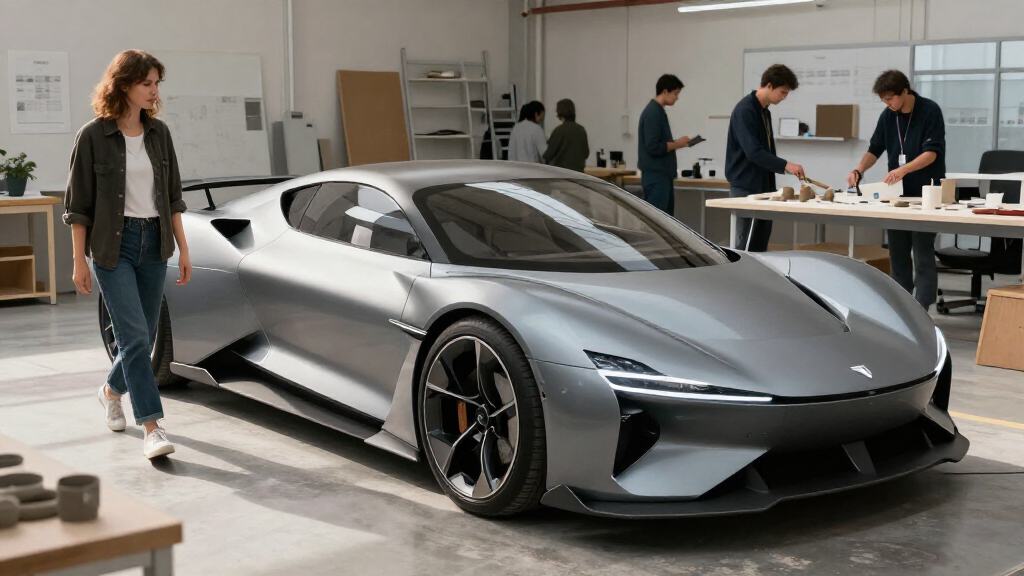
Polestar has presented Formula 2030, a four-door sports-car concept and the first design study led by Chief Designer Philipp Römers. The company says selected exterior and interior features will appear in the next-generation Polestar 2 and upcoming Polestar 7, but the concept itself is unlikely to become a production model.
Polestar has unveiled Formula 2030, a four-door sports-car concept that sets out the company’s design direction and previews features it says will reach the next-generation Polestar 2 and the upcoming Polestar 7. The show car is the first design study created under Chief Designer Philipp Römers, who took the role in mid-2024; Polestar says the concept is unlikely to be a direct prototype for a production car.
Polestar describes the concept as a physical expression of its Formula 2030 brand strategy, built around design, performance and sustainability. Römers said the study evolves the company’s established visual identity while keeping performance central. The company says its design team aimed to remove unnecessary elements and refine existing ones, rather than treat the concept as a promise of a specific new model.
The car measures 4.68 metres long, 2.02 metres wide and 1.35 metres high, with a 2.78-metre wheelbase. Its low stance, long bonnet, short overhangs and wide rear fenders give it a sporty profile. The study has 22-inch wheels, but the source report says those are unlikely to carry over to production. Polestar also says its dual-blade headlights preview the next Polestar 2’s design, which is expected in 2027.
Other exterior details include a concealed LiDAR unit above the windscreen, separate rear light blades in place of a continuous light strip, and an illuminated rear wing. The cabin uses a 20-inch driver display, a 12.2-inch central screen and eight assignable physical switches and rotary knobs. A console slider selects Performance, Normal or Autonomous modes, adjusting the positions of the seat, steering wheel and display.
Design Cues Headed to Production
The announcement matters less as a preview of a complete new car than as a statement about which parts of Polestar’s design work may reach customers. The company specifically connects Formula 2030 features to the next-generation Polestar 2 and the Polestar 7, giving the concept a stated link to future products even though it is not presented as a production prototype.
The interior also signals a design approach with practical implications: Polestar says it is rebalancing digital screens with physical controls and putting the driver at the centre of the cabin. The adjustable modes shown in the study are concept features; Polestar has not confirmed that this system, its displays or its seat movements will be offered in production vehicles.
Materials are another part of the strategy. The study uses recyclable mono-material door panels, low-emission recycled steel made with renewable energy for visible structures, and seat-back composites made from European flax and polypropylene. Those details show what Polestar wants the concept to communicate about sustainability, but do not by themselves establish the material mix or environmental impact of future production cars.
Products Worth Considering

DEWALT FLEXVOLT ADVANTAGE 20V MAX Combo Kit with Hammer Drill & Impact Driver, 5.0-Ah, 2-Tool (DCK2100P2)

Chemical Guys 17-Piece Car Detailing Kit for Interior, Exterior, and Wheels

Autel MaxiCOM MK900BT Bidirectional Automotive Diagnostic Scanner
As an affiliate, we earn on qualifying purchases.
From Römers to Formula 2030
Römers became Polestar’s Head of Design in mid-2024. Formula 2030 is the first design study produced under his leadership, according to the source report. Polestar presents it as an evolution of its existing design language, not a break from the visual identity established by earlier models.
The concept’s proportions place it between the future Polestar 2 and Polestar 7 in the company’s lineup, though that comparison does not establish that it previews a model occupying that position. The clearest stated production link is the company’s plan to carry various design features into the next-generation Polestar 2 and Polestar 7. Polestar has not identified every feature that will transfer.
Exterior Design Head Nahum Escobedo said the goal was to evolve the brand’s core design values while respecting the elements that make Polestar recognisable. The concept’s new Nitrogen paint is described by the company as changing its appearance across glossy, matte or satin areas, while Swedish Gold accents appear on the brake callipers, valve caps, cabin details and seatbelts.
““Design should always reflect the values and mission of a brand, and that is exactly what we did with the Polestar Formula 2030 concept.””
— Philipp Römers, Polestar Chief Designer
What Will Reach Showrooms
Polestar has not disclosed which specific Formula 2030 features will appear in each future model, or how closely production versions will resemble the concept. The company says various design features will be used in the next Polestar 2 and Polestar 7, but does not provide a complete feature list, production specifications or timing for the Polestar 7.
The next-generation Polestar 2 is expected in 2027, according to the source report, but the report does not provide a confirmed launch date or market-by-market schedule. It is also unclear whether concept elements such as the adaptive cabin layout, 22-inch wheels, illuminated rear wing or particular material combinations will be retained. Polestar’s statements describe design intent, not independent verification of future vehicle performance or sustainability outcomes.
Future Models Provide the Test
The next concrete test of the strategy will be the next-generation Polestar 2, for which the concept’s dual-blade headlights are described as a design preview and which is expected in 2027. Polestar has also named the upcoming Polestar 7 as a recipient of Formula 2030 design features, but has not given further product details in the source material.
Until the company releases production designs and specifications, the show car remains a statement of direction rather than a confirmed blueprint. Further announcements should clarify which exterior and interior elements survive development, when the Polestar 7 is due, and whether the concept’s material choices and driver-focused controls make it into customer vehicles.
Key Questions
Is Formula 2030 a production-car prototype?
Polestar has not presented it as one. The source report says the concept is unlikely to be a prototype for a future production model.
Which future Polestar models are linked to the concept?
Polestar says selected design features will appear in the next-generation Polestar 2 and the upcoming Polestar 7. It has not listed every feature that will transfer.
When is the next-generation Polestar 2 expected?
The source report says the next-generation Polestar 2 is expected in 2027. It does not provide a confirmed launch date.
What stands out in the Formula 2030 interior?
The concept combines a 20-inch driver display and 12.2-inch central display with eight physical controls. Its three driving modes are designed to adjust the seat, steering wheel and displays, though production use is unconfirmed.
What sustainability-related materials does the concept use?
Polestar says the study includes recyclable mono-material door panels, low-emission recycled steel made using renewable energy, and seat-back composites made from European flax and polypropylene. The company has not confirmed whether those materials will be used in production vehicles.
Source: electrive.com