
To build a better highway-driving setup, keep your vehicle well-maintained with proper tire pressure, fluid levels, and regular inspections. Organize your dashboard, use an adjustable, supportive seat, and position mirrors correctly to reduce strain and distractions. Incorporate hands-free tech, GPS, and intuitive controls to stay focused. Take regular breaks, stay hydrated, and pack a safety kit. Want more tips to optimize your journey and stay safe and comfortable on long stretches? Keep going for detailed guidance.

Get business pricing on garage and car supplies
- Business-only prices and quantity discounts
- Tax-exempt purchasing
- Multiple users, one account, clear invoices
Key Takeaways
- Optimize ergonomic seating with lumbar support and adjustable features for comfort and reduced fatigue during long drives.
- Mount devices like GPS and phones in accessible, non-distracting spots to enhance navigation and communication safety.
- Maintain vehicle systems through regular checks of fluids, tires, and wipers to ensure reliable performance on highways.
- Organize the dashboard to minimize clutter, reducing distractions and improving focus on the road.
- Incorporate safety features like blind-spot mirrors and high-contrast displays for better visibility in various lighting conditions.
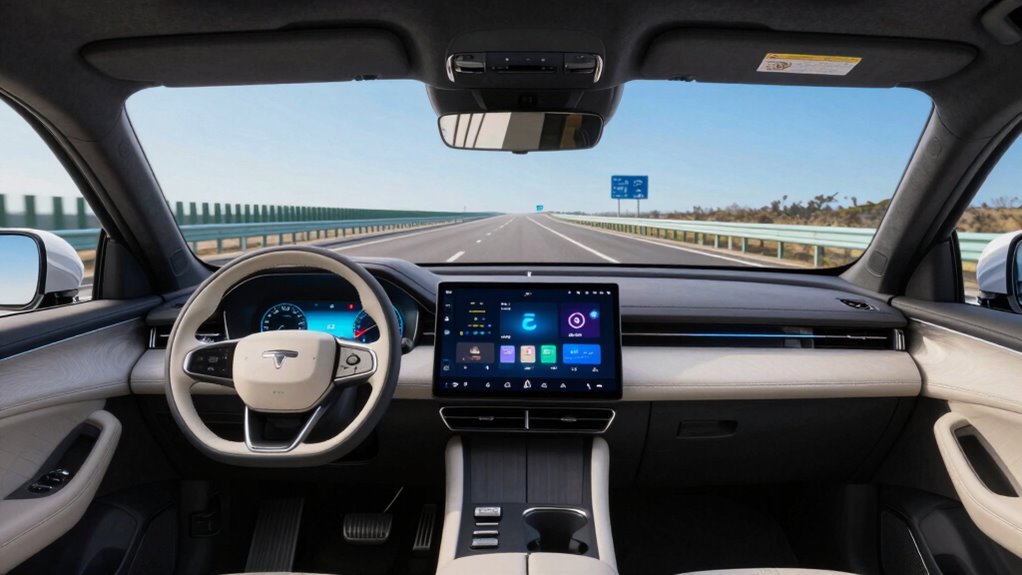
Have you ever wondered how your driving experience on long highways could be more comfortable and safer? Creating a better setup for highway driving isn’t just about comfort—it’s about prioritizing your safety and ensuring you arrive at your destination without unnecessary stress or risk. The foundation of a safer, more enjoyable journey starts with attention to traffic safety and vehicle maintenance. Before hitting the road, take the time to inspect your vehicle thoroughly. Check tire pressure and tread depth, as underinflated or worn tires can compromise handling and increase the risk of blowouts. Ensure all fluid levels—oil, coolant, brake fluid—are topped off, and replace any worn-out wipers. A well-maintained vehicle minimizes breakdowns and keeps you safe, especially during extended drives where issues can escalate quickly.
Next, consider your driving environment. Keep your dashboard organized and free of clutter, which can distract you or block essential controls. Invest in a comfortable, supportive seat that promotes good posture, reducing fatigue over long hours. Use adjustable lumbar support if available, and position your seat so you have clear visibility of the road and gauges. Proper ergonomics help you stay alert and responsive, which is critical for traffic safety. Adjust your mirrors so they provide a seamless, wide view of your blind spots, and consider adding blind-spot mirrors for an extra layer of awareness. This setup not only enhances safety but also makes your drive more comfortable by reducing the strain on your neck and eyes.
Your in-car technology also plays a key role. Use hands-free devices for navigation and communication to keep your attention on the road. Modern GPS systems can help you plan the most efficient routes, avoiding congested areas and reducing your stress levels. Keep your phone mounted in a reachable yet unobtrusive spot, so you can glance at directions without taking your eyes off the highway for too long. If you’re using a voice-activated system, make sure it’s properly calibrated to respond accurately to your commands, reducing the temptation to fiddle with controls while driving. Additionally, choosing a vehicle with a good contrast ratio can improve visibility in varying light conditions, further enhancing your safety on the road. Incorporating vehicle maintenance practices into your routine can also contribute significantly to your overall safety and vehicle longevity.
Finally, develop habits that reinforce safety and comfort. Take regular breaks during long stretches—every couple of hours—to stretch and refresh your focus. Stay hydrated and avoid heavy meals that can cause drowsiness. Keep a safety kit in your vehicle, including a flashlight, first aid supplies, and basic tools, so you’re prepared for any minor emergencies. Being aware of your vehicle’s lighting and visibility features can also significantly improve your safety, especially during night driving or adverse weather conditions. Regularly checking for indoor air quality issues like dust and microplastics can also contribute to a healthier driving environment, particularly over extended periods. Building this setup isn’t just about convenience; it’s about creating a safer, more efficient highway experience that keeps you alert, comfortable, and ready for whatever the road throws your way.
ergonomic car seat with lumbar support
As an affiliate, we earn on qualifying purchases.
As an affiliate, we earn on qualifying purchases.
Frequently Asked Questions
How Can I Reduce Fatigue During Long Highway Drives?
To reduce fatigue during long highway drives, prioritize in-vehicle ergonomics by adjusting your seat, steering wheel, and mirrors for comfort and proper posture. Take regular rest stops to stretch, hydrate, and refresh your focus. Planning these stops ahead of time helps prevent exhaustion. Also, avoid heavy meals and caffeine, and keep your environment cool and well-ventilated. These steps make sure you stay alert and comfortable on your journey.
What Are the Best Safety Features for Highway Driving?
You should prioritize vehicles with advanced safety systems like adaptive cruise control, lane departure warnings, and automatic emergency braking. These features help maintain safe distances and alert you to potential hazards, keeping you alert on long drives. Additionally, safety features that monitor driver alertness, such as drowsiness detection, can prevent accidents caused by fatigue. Incorporating these tools guarantees you stay vigilant and protected during highway journeys.
How Do I Optimize My Vehicle for Fuel Efficiency?
To optimize your vehicle for fuel efficiency, start by maintaining proper tire pressure—underinflated tires increase resistance and waste fuel. Next, focus on engine tuning; guarantee your engine runs smoothly by checking air filters and spark plugs regularly. Combine these steps with gentle acceleration and consistent speeds on the highway. These simple adjustments help reduce fuel consumption, saving you money and minimizing your environmental impact during long drives.
What Technology Can Enhance Highway Navigation?
You can enhance highway navigation by incorporating advanced GPS systems that offer real-time traffic updates. These systems help you avoid congestion, find the fastest routes, and receive accurate directions. Look for GPS devices or apps that provide live traffic data and rerouting features. This technology guarantees a smoother drive, saving you time and reducing stress during long highway trips. Stay connected with real-time info for a more efficient journey.
How Should I Adjust My Setup for Different Weather Conditions?
Like a seasoned sailor adjusting sails, you should modify your setup for weather changes. Check your tire pressure regularly, ensuring ideal grip on slick or icy roads. Replace or upgrade your windshield wipers to clear rain, snow, or sleet effectively. Keep a weather-appropriate emergency kit in your vehicle. These steps help you stay safe and confident, no matter if skies darken or roads become treacherous.
As an affiliate, we earn on qualifying purchases.
Conclusion
So there you have it—your foolproof plan to turn every highway trip into a zen-like experience. Just remember, with the perfect setup, you’ll be so focused and relaxed, you might forget you’re actually on a highway, not a tropical getaway. Who knew that upgrading your seat, tech, and snacks could transform you into a road warrior? Now go ahead, hit the road and show those highways who’s boss—preferably with a perfectly curated playlist and a coffee in hand.
As an affiliate, we earn on qualifying purchases.
As an affiliate, we earn on qualifying purchases.
Halloween Picks
halloween
As an affiliate, we earn on qualifying purchases.