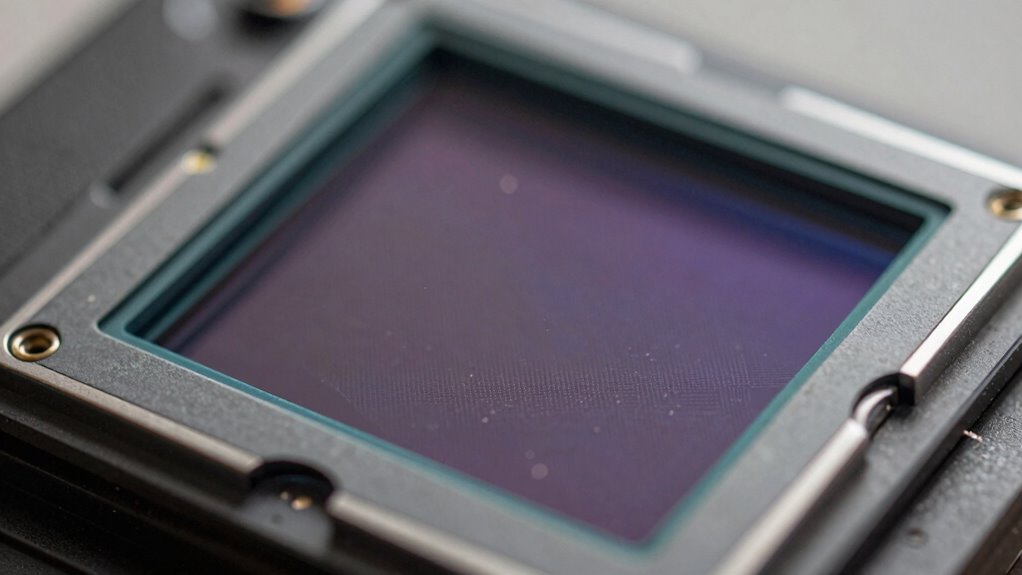
To determine if a sensor issue is the real problem, watch for consistent warning lights or erratic vehicle behavior like rough idling or poor acceleration. Use a diagnostic tool to check for specific error codes, which help confirm sensor faults. Keep in mind, symptoms alone can mimic other problems, so proper testing and calibration are essential. If you want to understand more about accurately identifying sensor issues, there’s more to explore just ahead.

Get garage and car supplies delivered free — and shop member deals
- Fast, free delivery on millions of items
- Access to Prime Big Deal Days deals on October 6–7
- Prime Video, Amazon Music and more included
Key Takeaways
- Check for specific error codes with an OBD-II scanner to confirm sensor faults.
- Look for consistent symptoms like erratic performance or warning lights aligning with sensor issues.
- Verify if sensor readings are accurate through calibration procedures.
- Perform sensor cleaning and maintenance to rule out debris-related problems.
- Confirm fault persistence after resetting warning lights and re-scanning diagnostics.

When your vehicle or device starts acting up, it’s tempting to assume the problem is obvious, but often, a sensor issue might be the root cause. Sensors play an essential role in how your system operates, providing vital data that keeps everything running smoothly. If a sensor malfunctions or gives inaccurate readings, it can lead to a variety of issues—erratic behavior, warning lights, or even complete system failures. The key to diagnosing whether a sensor is the culprit is understanding how to interpret the signs and using the right diagnostic tools.
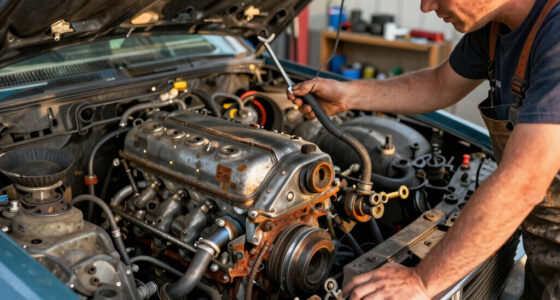
One of the first steps is recognizing symptoms that point to a sensor problem. For example, if your dashboard warning lights flicker or stay on without a clear reason, it could mean a sensor is sending false signals. Similarly, if your vehicle’s performance feels off—such as rough idling, poor acceleration, or inconsistent fuel economy—these might be linked to faulty sensors. But don’t jump to conclusions. Sometimes, these symptoms could stem from other issues, so it’s vital to dig deeper. Conducting a comprehensive diagnostic check can help differentiate between sensor problems and other underlying causes.
Warning lights or performance issues may indicate sensor problems, but always investigate further to confirm.
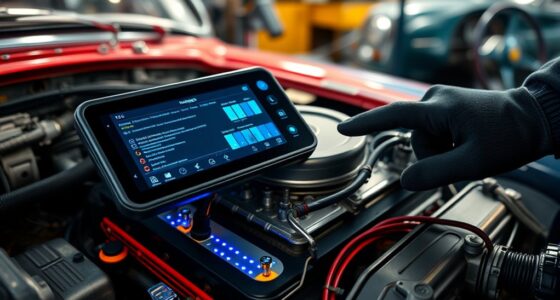
This is where diagnostic tools come into play. Modern vehicles are equipped with onboard diagnostic systems (OBD-II) that store error codes when sensors malfunction. Plugging in a scanner can reveal specific trouble codes associated with sensor failures—like oxygen sensor errors or throttle position sensor faults. These codes give you a starting point to identify which sensor might be causing the problem. Once you have the codes, you can cross-reference them with manufacturer manuals or online resources to understand their significance. Recognizing the importance of sensor calibration can also prevent misdiagnosis and unnecessary replacements.
Sensor calibration is another vital aspect. Sometimes, sensors drift out of their proper range over time, leading to incorrect readings. Calibration ensures the sensor’s output aligns with precise standards. If calibration is needed, it can often be performed with specialized diagnostic tools or by following manufacturer procedures. Adjusting or recalibrating sensors can restore proper operation without replacing hardware, saving you time and money. Regular sensor health checks can also help catch issues early before they escalate into costly repairs. Additionally, understanding the role of calibration can provide insight into how sensors maintain accuracy over time. Keeping sensors clean and free of debris is also important, as contamination can affect their performance.
Ultimately, identifying a sensor issue requires a combination of observing symptoms, using diagnostic tools effectively, and understanding the importance of sensor calibration. You should maintain a routine check of warning lights and performance irregularities, then verify with a scanner. If errors are present, follow through with calibration or replacement as recommended. Regularly checking sensor health and ensuring proper calibration can help prevent unexpected failures and extend the life of your vehicle or device. By staying attentive and using the right tools, you can pinpoint sensor problems early, avoiding more severe damage and ensuring your vehicle or device runs reliably.
OBD-II scanner for vehicle diagnostics
As an affiliate, we earn on qualifying purchases.
As an affiliate, we earn on qualifying purchases.
Frequently Asked Questions
Can Sensor Issues Cause False Alarms in the System?
Yes, sensor issues can cause false alarms in your system. A sensor malfunction might send incorrect signals, triggering the alarm unexpectedly. Dust, debris, or wiring problems can interfere with sensor accuracy, making it seem like there’s a problem when there isn’t. Regular maintenance and testing help you identify these issues early, preventing unnecessary alarm triggers and ensuring your system functions correctly when it really matters.
How Often Should Sensors Be Recalibrated?
Think of your sensors like a musician tuning their instrument—regular calibration keeps them in harmony. You should perform sensor maintenance and recalibrate sensors at least once a year, or more often if they’re in harsh environments or show signs of drift. Calibration frequency depends on usage and conditions, so stay attentive. Regular checks guarantee your system’s accuracy, preventing false alarms and maintaining reliable performance.
Are Certain Sensors More Prone to Faults?
Yes, some sensors are more prone to faults due to lower sensor durability or exposure to harsh environments. For example, humidity sensors in moisture-rich areas or temperature sensors in extreme conditions often face increased failure risks. To prevent faults, you should regularly inspect and recalibrate these vulnerable sensors, and consider upgrading to more durable models. Proactive maintenance helps guarantee sensor reliability and reduces the chances of unexpected faults.
What Tools Are Best for Testing Sensor Accuracy?
You should use digital multimeters or specialized calibration tools for testing sensor accuracy. These tools help you perform proper sensor calibration and follow precise testing procedures. First, connect the sensor to the calibration device, then compare its readings against known standards. If discrepancies appear, recalibrate the sensor or replace it. Regular testing guarantees sensors provide reliable data, preventing false alarms or system failures.
How Long Do Sensors Typically Last Before Replacement?
Sensors typically serve steadily for several years, usually lasting between 5 to 10 years depending on usage and environment. You should monitor sensor lifespan and anticipate replacement timelines as part of regular maintenance. Over time, sensors can weaken, wear, or become less accurate. When you notice inconsistent readings or performance decline, it’s time to replace them to guarantee peak operation and reliability. Proper planning prevents problems and prolongs system stability.
As an affiliate, we earn on qualifying purchases.
Conclusion
When troubleshooting sensor issues, it’s tempting to blame the sensor right away. But before jumping to conclusions, test other components and consider environmental factors. Sometimes, what seems like a sensor problem could be a wiring issue or external interference. By systematically verifying each possibility, you’ll uncover the real cause. Trust your investigation—affirming the root problem ensures you fix the right issue and get things running smoothly again.
throttle position sensor calibration tool
As an affiliate, we earn on qualifying purchases.
As an affiliate, we earn on qualifying purchases.
As an affiliate, we earn on qualifying purchases.
Fall Picks
fall essentials
As an affiliate, we earn on qualifying purchases.