To use diagnostic tools effectively without overconfidence, rely on them as part of a broader troubleshooting process. Always verify data accuracy by cross-checking readings with visual inspections and other observations. Don’t jump to conclusions based solely on digital results—remember, tools are supplementary, not foolproof. Stay cautious, update your knowledge regularly, and validate findings through multiple methods. If you keep exploring, you’ll find ways to improve your diagnostic approach even further.

Get garage and car supplies delivered free — and shop member deals
- Fast, free delivery on millions of items
- Access to Prime Big Deal Days deals on October 6–7
- Prime Video, Amazon Music and more included
Key Takeaways
- Treat diagnostic tools as supplementary, not definitive, and always validate findings with manual inspections.
- Cross-check digital readings with visual observations and auditory cues for a comprehensive assessment.
- Maintain awareness of data quality; question inconsistent or unexpected results before acting.
- Continuously update your knowledge of equipment behavior and common fault indicators.
- Avoid jumping to conclusions; confirm diagnoses through multiple methods to prevent overconfidence.
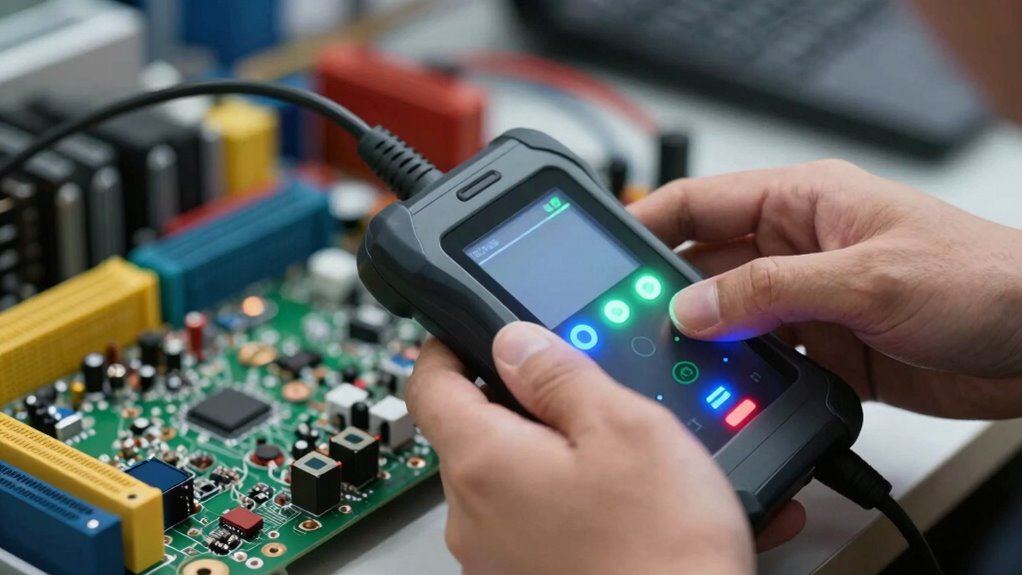
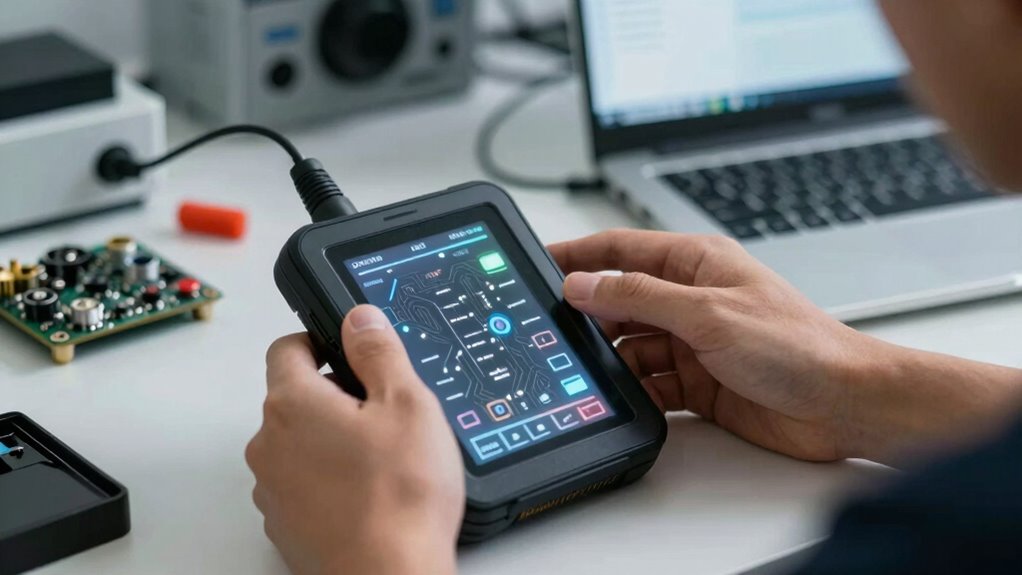
Are you wondering how to effectively diagnose issues with your equipment or vehicle? Using diagnostic tools can be incredibly helpful, but it’s easy to fall into the trap of overconfidence. The key is to understand that these tools, especially modern ones that leverage machine learning, are designed to assist rather than replace your expertise. Machine learning algorithms improve data accuracy over time, providing insightful readings that help identify potential problems quickly. However, relying solely on these readings without critical thinking can lead to mistakes. Remember, even the most advanced diagnostic tools are only as good as the data they process and the context you provide.
When you start using diagnostic tools, keep in mind that data accuracy is crucial. These tools gather a vast amount of information from sensors and systems, and their effectiveness depends on how well this data reflects the actual condition of your equipment. Always verify the accuracy of the data, especially if readings seem off or inconsistent. A misread sensor or a glitch can send you down the wrong troubleshooting path, wasting time and resources. Stay cautious and cross-check the results with your observations and experience. Relying too heavily on technology can make you overlook simple yet important clues that aren’t captured electronically. Additionally, understanding the importance of data quality ensures you interpret the results accurately and avoid false positives or negatives.
Furthermore, always keep in mind that diagnostic tools are just one part of a comprehensive troubleshooting process. Visual inspections, listening for unusual sounds, and considering recent usage conditions are all critical. Relying solely on digital diagnostics can make you overlook obvious issues or misinterpret ambiguous data. It is also helpful to be familiar with common fault codes and what they indicate, as this knowledge can guide your diagnostic approach more effectively. Rely on multiple sources of information to build a clearer picture before making decisions. Maintain a cautious mindset, continually update your understanding of how your equipment behaves, and never assume you’ve found the root cause until you’ve validated it through multiple methods. This way, you can utilize diagnostic tools effectively without falling into the trap of overconfidence.
As an affiliate, we earn on qualifying purchases.
Frequently Asked Questions
Can Diagnostic Tools Replace Professional Expertise Entirely?
Diagnostic tools can’t replace professional expertise entirely because they lack human intuition and judgment. You need expert judgment to interpret results accurately and consider context, nuances, or anomalies that tools might miss. Relying solely on technology can lead to overconfidence, so you should combine diagnostic tools with your experience and intuition. This balanced approach guarantees more accurate assessments and better decision-making, preventing overdependence on automated results.
How Often Should I Recalibrate My Diagnostic Tools?
You should recalibrate your diagnostic tools regularly—think of it as giving them a spa day to boost their accuracy. Usually, calibration frequency depends on usage and environment, but a good rule is every few months or after any major shocks. Skipping this step risks false readings, making your tools less reliable. Keep them sharp, and their tool accuracy stays high, saving you from costly mistakes and overconfidence.
What Are Common Signs of Diagnostic Tool Failure?
You’ll notice diagnostic tool failure if results become inconsistent or inaccurate, often due to user error or improper tool calibration. If readings suddenly fluctuate or don’t match expected outcomes, it’s a red flag. Regularly check calibration and make sure proper handling to prevent errors. When signs of failure appear, recalibrate or replace the tool promptly, and review user procedures to avoid mistakes that could compromise accuracy.
Are There Risks in Over-Relying on Diagnostic Software?
Relying too much on diagnostic software can be a disaster waiting to happen, like walking a tightrope blindfolded. Overconfidence pitfalls are real, and software limitations mean it might miss critical issues or give false positives. You risk missing important clues or making wrong decisions if you over-rely. Always balance software insights with your expertise, double-check results, and remember that tools are aids, not infallible predictors.
How Do I Interpret Conflicting Results From Different Tools?
When you encounter conflicting results from different diagnostic tools, prioritize evaluating each tool’s reliability and accuracy. Cross-check the findings and look for patterns or commonalities. Use result reconciliation by considering the context, symptoms, and other data points. Avoid jumping to conclusions based on one conflicting result. Instead, combine the insights thoughtfully, and if needed, seek further testing or expert advice to clarify discrepancies for a more accurate diagnosis.
As an affiliate, we earn on qualifying purchases.
Conclusion
Remember, diagnostic tools are guides, not guarantees. For instance, a mechanic might rely on an engine scanner to identify issues but still double-check physically. Overconfidence can lead to missed problems or incorrect fixes. Stay humble, interpret results carefully, and combine tools with your experience. Doing so guarantees you don’t just fix symptoms but truly understand the root cause, ultimately building your skills and trustworthiness—because tools are only as good as the user’s judgment.
As an affiliate, we earn on qualifying purchases.
As an affiliate, we earn on qualifying purchases.
Halloween Picks
halloween
As an affiliate, we earn on qualifying purchases.