
You should only reset your check engine light after you’ve properly diagnosed and repaired the underlying issue. Using diagnostic tools helps confirm that the problem has been fixed before clearing any codes. Resetting without fixing the cause can cause the warning to come back or lead to further damage. It’s best to guarantee the problem is resolved first, so your vehicle stays safe and reliable. If you want to learn more about proper reset procedures, keep going.
Key Takeaways
- Only reset the check engine light after confirming the underlying issue has been properly repaired.
- Use diagnostic tools to clear codes, ensuring the problem is resolved to prevent recurring warnings.
- Reset the light when troubleshooting confirms no ongoing issues or after replacing faulty sensors or components.
- Avoid resetting the light if the warning persists, as it may mask serious mechanical or emissions problems.
- Follow manufacturer guidelines or consult a professional before resetting to ensure vehicle safety and proper diagnosis.
Have you ever encountered a “check engine” light or other warning codes on your vehicle? It’s a common experience, and it usually signals that something needs attention. When this happens, many drivers wonder whether they should ignore the light or try to reset it themselves. Understanding the role of diagnostic tools and the proper reset procedures can help you decide what to do next.
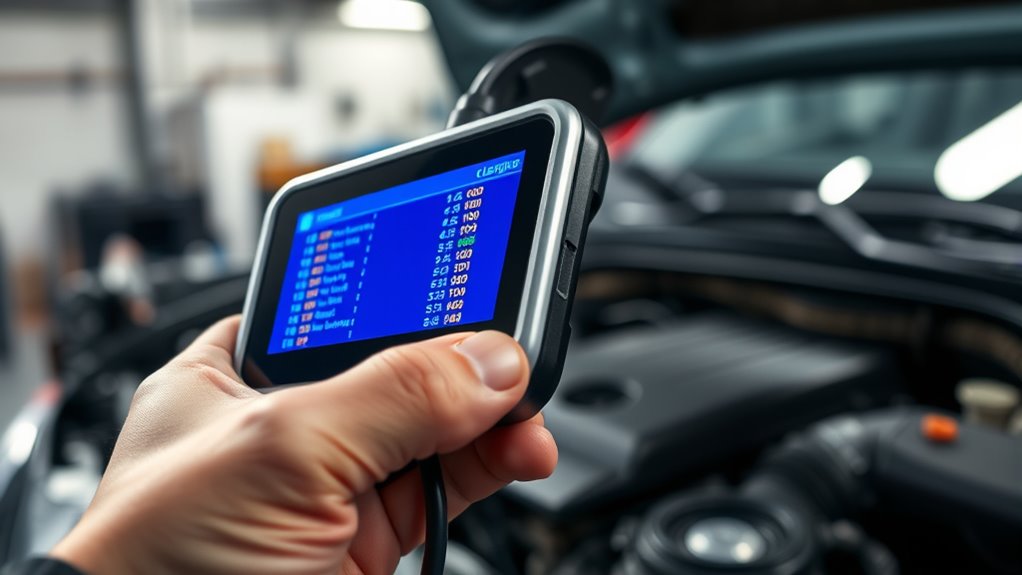
First, it’s important to recognize that the check engine light isn’t just a random warning. It’s an indicator that your vehicle’s onboard computer has detected an issue, often related to emissions, sensors, or engine performance. Using diagnostic tools, you can connect directly to your vehicle’s computer system to read the specific trouble codes. These tools range from simple code readers to more advanced scan tools used by professionals. When you get a code, it provides valuable information about what caused the warning, allowing you to determine whether it’s a minor glitch or a sign of a more serious problem.
Once you’ve addressed the underlying issue, you might consider resetting the check engine light. Reset procedures typically involve either disconnecting the vehicle’s battery, using a diagnostic tool to clear codes, or following specific steps outlined in your vehicle’s manual. However, it’s essential to confirm that the problem has been genuinely fixed before resetting the light. Simply clearing the codes without resolving the root cause can lead to the warning returning or, worse, cause more damage to your vehicle.
Always confirm the issue is fixed before resetting the check engine light to prevent recurring problems.
Using diagnostic tools to reset the check engine light is often the most efficient and safest approach. These tools communicate directly with your car’s computer system, allowing you to clear trouble codes after repairs are completed. This method minimizes the risk of overlooking persistent issues and ensures that the warning is only cleared once the problem has been addressed. Remember, resetting the light doesn’t fix the problem; it just turns off the warning. If the underlying issue remains, the light will likely come back on, and you could miss important signals about your vehicle’s health.
Additionally, it’s worth noting that proper diagnostic procedures ensure you don’t inadvertently mask ongoing problems, maintaining your vehicle’s safety and performance.
Frequently Asked Questions
Can Resetting Codes Damage My Vehicle?
Resetting your warning light won’t directly damage your vehicle if done correctly, but it can conceal underlying issues that need diagnostic procedures. When you perform a warning light reset without fixing the root cause, you risk missing problems that could worsen over time. Always verify you’ve identified and addressed the issue through proper diagnostic procedures before resetting codes. This way, you avoid potential damage and keep your vehicle running smoothly.
Will Clearing Codes Fix Underlying Problems?
Clearing codes won’t fix underlying problems causing diagnostic trouble. If the engine performance issues persist, the trouble codes will likely return, and the problem remains unresolved. Resetting the check engine light only temporarily hides the warning, so it’s crucial to diagnose and repair the root cause. Ignoring persistent issues can lead to more damage, so use resetting as a temporary measure and address the underlying problem promptly.
How Often Should I Reset My Check Engine Light?
You should only reset your check engine light after completing diagnostic procedures and confirming the underlying issue is fixed. Don’t reset it routinely; instead, follow your vehicle’s maintenance schedules and only reset when repairs are done and the problem is resolved. Resetting too often can hide ongoing issues, leading to more damage. Always verify the problem is addressed before clearing codes to prevent repeated warning lights.
Can I Reset Codes Without a Scan Tool?
Yes, you can reset codes without a scan tool by disconnecting the battery or using the vehicle’s manual reset procedures. However, these methods don’t perform diagnostic tests or clear persistent issues. If you want a proper reset, it’s best to utilize diagnostic tools designed for reset procedures, which can accurately clear codes and ensure your vehicle’s systems are functioning correctly. Always diagnose the root cause before resetting.
Does Clearing Codes Affect Vehicle Warranty?
Clearing codes won’t automatically void your warranty, but it can complicate the diagnostic process if the issue reoccurs. If you reset the check engine light without fixing the problem, manufacturers might see it as tampering, potentially impacting warranty claims. Always address the root cause before resetting, and keep detailed records—this way, you protect your vehicle’s warranty while ensuring it runs smoothly.
Conclusion
Remember, resetting your check engine light isn’t always the answer; it’s like silencing a warning bell without fixing the cause. If you’ve addressed the issue or the light’s just a false alarm, go ahead. But if problems persist, don’t ignore them—your car’s health depends on it. Sometimes, clearing codes is the key to a fresh start, but only when you’ve truly listened to what your vehicle’s trying to tell you.