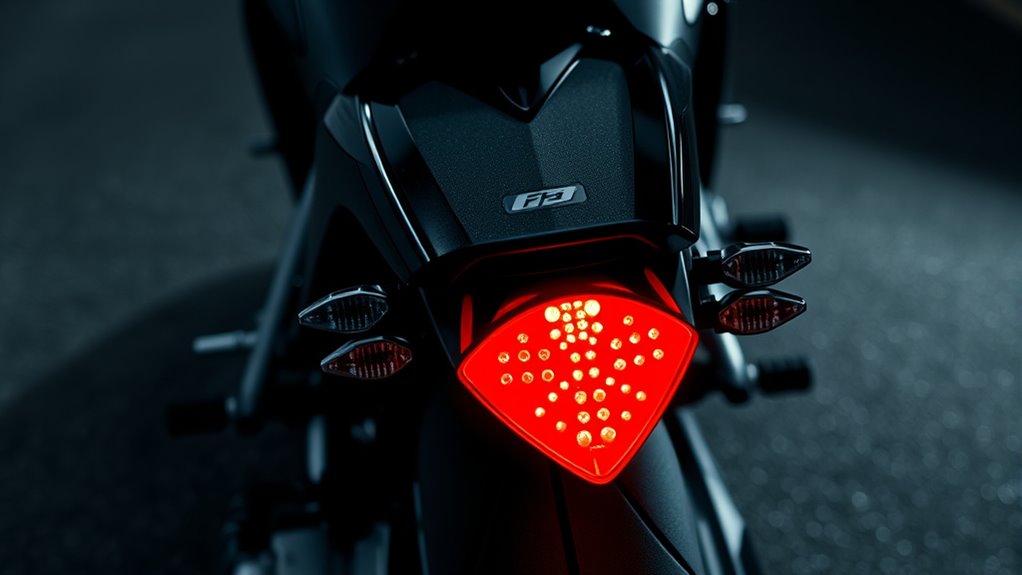

In the U.S., custom tail lighting, including brake lights, must comply with state laws that generally require red, steady lights visible from a reasonable distance during braking. Modifications that alter brightness, color, or placement can lead to fines or safety issues. To stay street legal, you need to verify your lights meet these standards and haven’t been tampered with. Keep exploring to find out how to keep your custom lighting safe and compliant.

Get business pricing on garage and car supplies
- Business-only prices and quantity discounts
- Tax-exempt purchasing
- Multiple users, one account, clear invoices
Key Takeaways
- Custom tail lights must meet federal and state regulations for color, brightness, and placement to be street legal.
- Red brake lights are required; any modifications should not alter the standard color or visibility.
- Aftermarket lighting must be certified as street-legal and compliant with safety standards to avoid violations.
- Non-compliant or improperly installed custom lights can result in tickets, fines, or vehicle inspection failures.
- Regularly verify local laws and consult professionals to ensure your custom tail lighting remains legal and safe.
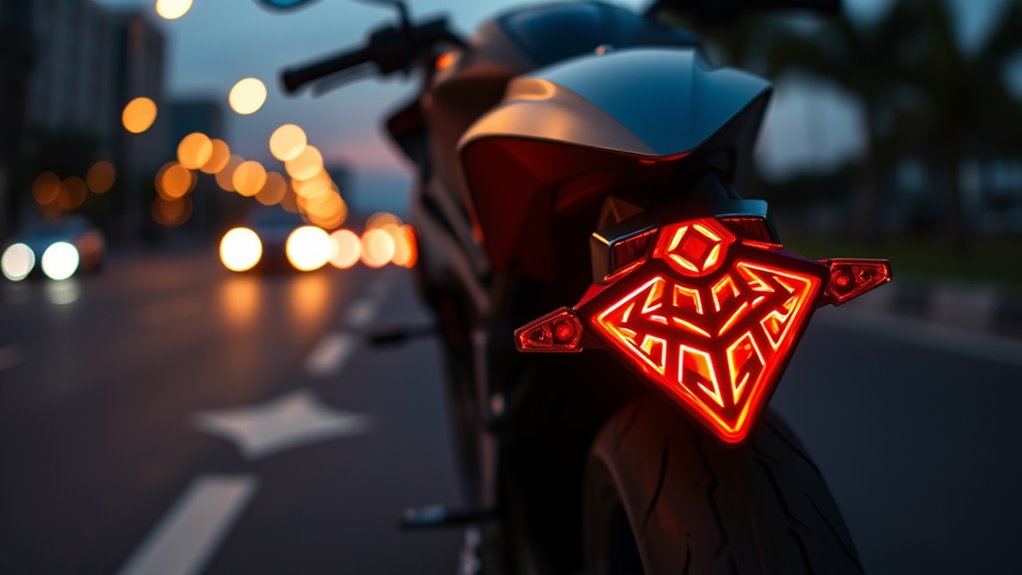
Brake light laws are essential traffic regulations designed to keep everyone on the road safe. When it comes to your vehicle, these laws ensure that your brake lights are functioning properly and are visible to other drivers, helping prevent rear-end collisions. Vehicle safety depends heavily on proper lighting regulations, which establish clear standards for brake light performance, color, brightness, and placement. If your custom tail lighting doesn’t meet these standards, you risk not only a traffic violation but also endangering yourself and others. Understanding the rules about brake light compliance can save you from costly fines and the hassle of having to modify your modifications later.
Brake light laws ensure vehicle safety and compliance, preventing accidents and costly fines through proper lighting standards.
In the United States, lighting regulations are governed by state laws, but most follow federal guidelines that specify the color and brightness of brake lights. Typically, brake lights must emit a steady red light that’s bright enough to be seen from a reasonable distance, even in daylight. When you install custom tail lights, it’s vital to verify that they meet these standards. Some aftermarket lights are designed to be street-legal, but others may not comply with the necessary vehicle safety standards. If your custom lighting is too dim, uneven, or of an improper color, law enforcement can issue a ticket or require you to replace the lights to meet legal standards. Regular testing of your brake lights can help ensure ongoing compliance and safety.
The importance of adhering to lighting regulations isn’t just about avoiding tickets; it’s about ensuring your vehicle remains safe on the road. Brake lights alert drivers behind you that you’re slowing down or stopping, and if they’re not functioning correctly, you increase the risk of accidents. Properly functioning brake lights help maintain safe stopping distances and reduce confusion for other drivers. When considering custom tail lighting, you should check your state’s specific laws. Some states ban certain colors or types of aftermarket lights that could be mistaken for emergency signals or other official lights, which can create dangerous miscommunications on the road.
To stay compliant, always test your brake lights in different conditions and ask a professional if you’re unsure whether your custom setup meets lighting regulations. Many states require periodic inspections to guarantee your vehicle’s lighting system remains in good condition. Keep in mind that modifications that alter the brightness or color of your brake lights without approval may be illegal and could compromise vehicle safety. Additionally, using appropriate filtering and pump protection can help ensure your lighting system operates reliably over time. Ultimately, following lighting regulations not only keeps you on the right side of the law but also helps protect everyone sharing the road. When in doubt, consult your local DMV or vehicle safety authority to confirm your custom tail lighting is street legal.
As an affiliate, we earn on qualifying purchases.
Frequently Asked Questions
Can I Install Aftermarket Brake Lights Without Violating Laws?
Yes, you can install aftermarket brake lights without violating laws, but you need to guarantee your vehicle modification complies with lighting standards. Check your state’s regulations on brightness, color, and placement to avoid legal issues. Use lights that meet the Department of Transportation (DOT) standards, and avoid flashy or non-compliant options. Doing so keeps your vehicle street legal while customizing your lighting for style and safety.
Are There Specific Colors Allowed for Custom Brake Lights?
Think of your brake lights as signals in a busy city—only certain colors are allowed to keep everyone safe. You should stick to red or amber, as these conform with color restrictions and visibility standards. Using illegal colors like blue or purple can confuse other drivers and may lead to legal issues. Always guarantee your custom brake lights follow these rules to stay street legal and keep safety at the forefront.
Do Motorcycle Brake Lights Have Different Regulations?
Motorcycle brake lights must follow specific regulations to be street legal. You need to guarantee your motorcycle lighting meets brake light regulations, including brightness and color, typically red. Unlike some custom lighting options, motorcycle brake lights are often more strictly regulated, so check your state’s rules. You should verify that your brake light is visible from a certain distance and meets all safety standards to stay compliant and avoid fines.
How Do I Check if My Custom Tail Lights Are Street Legal?
To check if your custom tail lights are street legal, start with a vehicle inspection to make certain they meet state requirements. Verify aftermarket compliance by reviewing local regulations and standards, such as brightness, color, and placement. Consult your state’s DMV or transportation department for specific rules. Testing your lights in different conditions can also help confirm they’re visible and compliant, ensuring you avoid fines or safety issues on the road.
Are There Penalties for Non-Compliant Brake Lighting?
You could face penalties for non-compliant brake lighting, especially during a vehicle inspection. Law enforcement takes legal compliance seriously, and if your custom tail lights don’t meet standards, you risk fines, citations, or even vehicle impoundment. Staying within legal requirements guarantees your vehicle passes inspections smoothly and keeps you safe on the road. Always double-check your brake lights to avoid unexpected trouble and maintain full compliance with state laws.
As an affiliate, we earn on qualifying purchases.
Conclusion
In the world of custom tail lighting, staying within the law is like walking a tightrope—you need balance and awareness. If you ignore brake light laws, you risk fines or even more serious consequences. Think of it as your vehicle’s way of speaking clearly on the road; if your signals aren’t legal, your message gets lost in translation. So, before you customize, make sure your lights are street-legal, keeping your ride safe and your conscience clear.
vehicle brake light compliance tester
As an affiliate, we earn on qualifying purchases.
As an affiliate, we earn on qualifying purchases.
automotive brake light certification
As an affiliate, we earn on qualifying purchases.
As an affiliate, we earn on qualifying purchases.
Fall Picks
fall essentials
As an affiliate, we earn on qualifying purchases.