
Older cars are easier to upgrade because they have simpler designs and fewer complex electronics, making modifications straightforward. Their accessible architecture allows you to easily swap parts like wheels, exhausts, or add safety features without facing many compatibility issues. You can often upgrade lighting or install new tech without extensive rewiring or software work. Plus, there’s a strong community and many tutorials to guide you. Keep exploring to discover how these qualities make upgrading your car more achievable.
Key Takeaways
- Older cars have simpler electronics and integrated systems, making modifications and upgrades easier.
- Their accessible mechanical layout simplifies swapping parts like wheels, exhausts, and spoilers.
- Compatibility with aftermarket parts is higher due to less complex vehicle architecture.
- Upgrading safety features, such as cameras and sensors, is more straightforward with less wiring complexity.
- Lower costs and abundant community resources make DIY upgrades and troubleshooting more feasible.

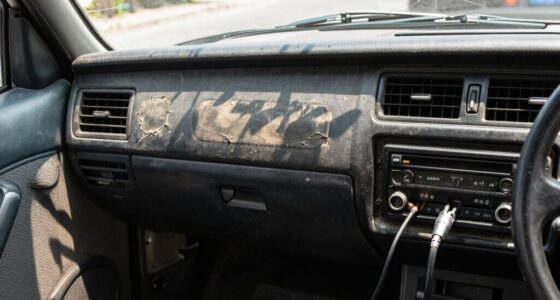
Many older cars are surprisingly easy to upgrade because their simpler designs and fewer electronic systems make modifications more straightforward. Unlike modern vehicles, which are packed with complex electronics and integrated systems, older models often have a more accessible architecture. This means that when you want to upgrade your car, whether for performance, aesthetics, or safety, you face fewer hurdles. You can practically customize and enhance these cars with a wide range of aftermarket accessories without needing specialized tools or software.
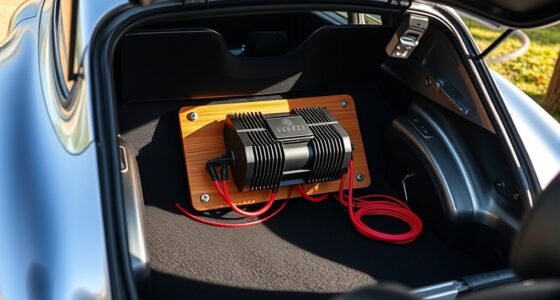
One of the biggest advantages of working on older cars is the ease of installing modern safety features. In newer models, adding advanced safety systems like collision avoidance or lane-keeping assist can be challenging due to the vehicle’s integrated electronics. But with older cars, you can often retrofit modern safety components more readily. For example, you might add a backup camera, parking sensors, or upgraded lighting systems using aftermarket parts designed specifically for your vehicle’s make and model. These upgrades not only improve your safety but also make driving more convenient and confident. Because the wiring and hardware are less complex, you don’t need extensive rewiring or software updates to get these systems working properly. Additionally, simpler vehicle design often means that finding compatible parts is easier, further streamlining the upgrade process. Understanding vehicle architecture can help you identify which modifications are feasible and straightforward.
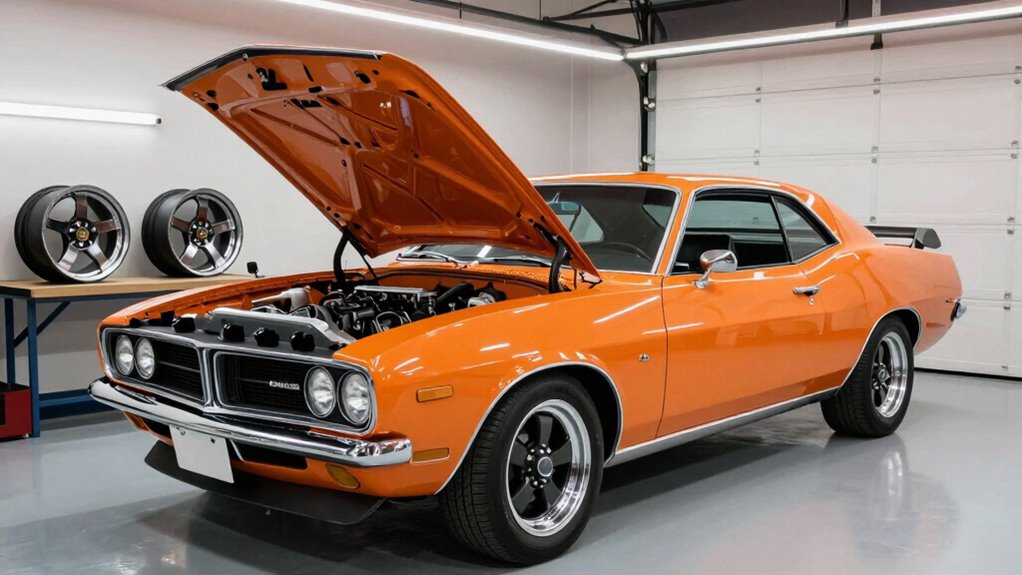
Installing aftermarket accessories on older cars is also more straightforward because of their simpler mechanical layouts. You can easily swap out old parts for new ones—like aerodynamic spoilers, upgraded exhausts, or custom wheels—without worrying about compatibility issues or needing to modify other components. This flexibility allows you to personalize your car to your tastes and needs, whether you’re aiming for a classic look or a more aggressive, modern style. Additionally, many aftermarket parts are designed with older models in mind, so you don’t have to compromise on fit or function.
Another benefit of upgrading older cars is the cost-effectiveness. Because their parts are often simpler and more accessible, you can perform many upgrades yourself or find affordable assistance at local shops. This lowers the overall expense, making it easier to keep your vehicle current with the latest safety standards or aesthetic trends. Plus, because these cars are generally less complex, troubleshooting problems or making adjustments becomes less of a hassle. Recognizing the simplicity of older vehicle design can help you approach upgrades with confidence and efficiency. Moreover, the availability of resources like tutorials and communities dedicated to older car models can significantly assist in the upgrade process.
In short, the combination of simpler design, fewer electronic systems, and abundant aftermarket options makes older cars a prime choice for those who want to upgrade without the headaches associated with modern vehicles. You get to enjoy modern safety features, personalize your ride, and do so with a level of ease that’s often impossible with newer models.

Scosche MDA1B Micro/Delco Antenna Adapter for Aftermarket Car Stereo Compatible with Select 1985-2013 GM and Import Vehicles – Car Radio Antenna Adapter – Car Audio Adapter – See Fit Guide for Vehicle
Effortless Connectivity – The MDA1B Antenna Adapter ensures seamless integration of your aftermarket car stereo, allowing you to…
As an affiliate, we earn on qualifying purchases.
As an affiliate, we earn on qualifying purchases.
Frequently Asked Questions
Are There Specific Brands Easier to Upgrade Than Others?
Yes, some brands are definitely easier to upgrade because of better aftermarket accessories and consistent brand compatibility. You’ll find brands like Honda and Toyota often have a wide range of compatible aftermarket parts, making upgrades simpler. On the other hand, less common brands or luxury models might have limited options, so it’s smart to research brand compatibility before purchasing aftermarket accessories. This way, your upgrades go smoothly and last longer.
How Do I Find Compatible Parts for My Older Car?
To find compatible parts for your older car, start with vintage restoration communities and online forums dedicated to your car’s make and model. Check for aftermarket accessories designed specifically for your vehicle, ensuring they’re compatible. Visit specialized auto parts stores or websites that focus on classic cars, and always verify part numbers or consult experts to confirm fitment. This approach makes upgrading your vintage car smoother and more successful.
Does Upgrading Affect My Car’s Resale Value?
Upgrading your car is like giving it a fresh coat of paint—your vehicle becomes more personalized, but it can influence resale value. Performance enhancement and aesthetic customization often boost appeal for enthusiasts, yet some buyers might see it as a modification risk. If you keep upgrades tasteful and reversible, you can maintain or even increase your car’s value, attracting buyers who appreciate your unique style without deterring those seeking a stock vehicle.
Are There Any Safety Concerns With Old Car Upgrades?
Upgrading your older car can raise safety concerns if you’re not careful. You need to check airbag compatibility to make sure new components work correctly with your vehicle’s system. Also, prioritize brake system safety by inspecting and upgrading brakes if necessary. Avoid cutting corners, and consult professionals to guarantee upgrades meet safety standards. Proper, thoughtful upgrades can enhance your car’s safety without introducing new risks.
What Tools Are Necessary for Upgrading Older Vehicles?
You’ll need a good set of basic tools like wrenches, screwdrivers, and pliers to get started. For vintage engines and classic interiors, consider specialized tools like engine hoists and upholstery kits. Think of your toolkit as a Swiss Army knife—ready for any challenge. A torque wrench, wire cutters, and a multimeter will also help guarantee precise upgrades. With these tools, you can breathe new life into your vintage ride.

AUTO-VOX Solar Wireless Backup Camera with 5" 1080P Monitor: 5000mAh Battery 2 Mins DIY Installation & 2 Split Screen Back Up Camera, IP69K Waterproof Reverse Camera for Car, Van, SUV, Truck, Trailer
2-Min DIY Install: No wiring, no drilling, and no need to connect car lights — Save time! Save…
As an affiliate, we earn on qualifying purchases.
As an affiliate, we earn on qualifying purchases.
Conclusion
Imagine cruising down the road, your old car transformed, turning heads with sleek new features. The best part? You didn’t need a costly overhaul—just smart upgrades. With each tweak, you access hidden potential, making your car feel brand new. So, what’s the next upgrade you’ll try? As you open that hood or pop the trunk, a world of possibilities awaits—ready to elevate your ride beyond what you ever thought possible. Are you ready to see how far you can go?

Dr.Acces Club Car DS LED Light with Deluxe harness and Upgrade Headlight Power Kits | with Turn Signals, Hazard Flasher, Horn and Brake for Club Car DS Gas & Electric Golf carts (1993 & up)
Golf cart Deluxe LED light kit for Club Car DS 1993-up gas & electric models,It's Deluxe lights kit…
As an affiliate, we earn on qualifying purchases.
As an affiliate, we earn on qualifying purchases.
![DNA MOTORING CBE-HC06EX-BT Catback Exhaust System [for 06-11 Honda Civic EX/LX/DX]](https://m.media-amazon.com/images/I/51FR7GqCrNL._SL500_.jpg)
DNA MOTORING CBE-HC06EX-BT Catback Exhaust System [for 06-11 Honda Civic EX/LX/DX]
Made of High Quality T-304 Stainless Steel with Computerized Mandrel-Bends for Strength and Durability
As an affiliate, we earn on qualifying purchases.
As an affiliate, we earn on qualifying purchases.