
TL;DR

Get garage and car supplies delivered free — and shop member deals
- Fast, free delivery on millions of items
- Access to Prime Big Deal Days deals on October 6–7
- Prime Video, Amazon Music and more included
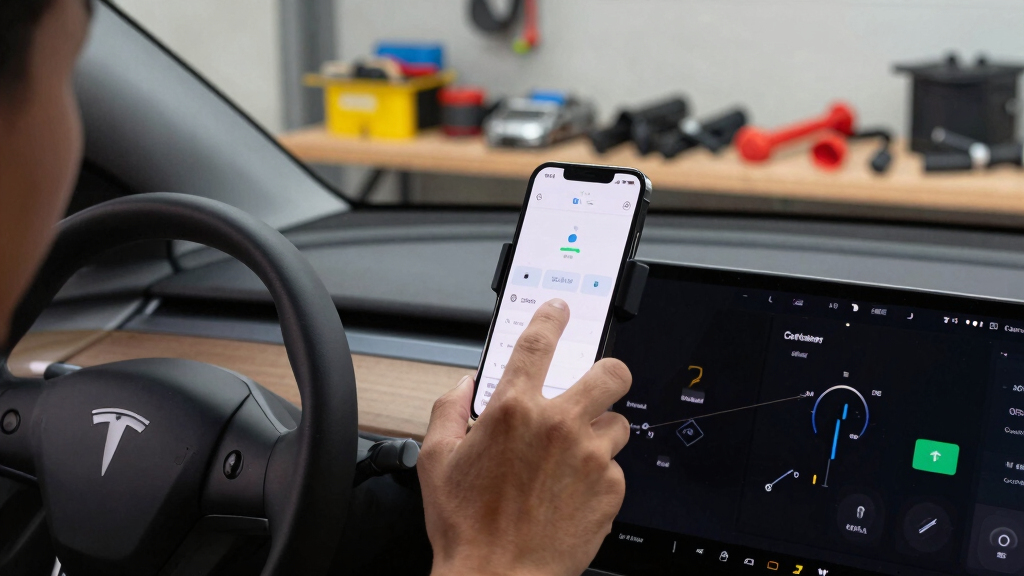
Apple’s CarPlay system is now designed to be additive rather than replacing in-car displays. This shift impacts driver interaction and automaker integration strategies. The development is confirmed and ongoing, with implications for vehicle design and user experience.
Apple’s CarPlay system is now primarily designed to be an additive feature rather than a replacement for existing vehicle displays, according to industry sources. This change impacts how drivers interact with their vehicles and how automakers incorporate Apple technology into their models. The shift to an additive approach was confirmed through recent product disclosures and industry analysis, marking a significant evolution in in-car connectivity.
Multiple sources familiar with recent automotive and technology developments have confirmed that CarPlay is increasingly integrated as an additive system. Instead of replacing or overriding the vehicle’s native display, CarPlay now runs alongside it, providing supplementary functions and interfaces. This approach allows automakers to preserve their existing dashboard designs while offering Apple’s features, such as navigation, messaging, and media control, through a dedicated interface.
Automakers and suppliers have indicated that this shift is driven by consumer demand for seamless integration of smartphone features without sacrificing the vehicle’s native controls and displays. The additive model also aligns with safety regulations, enabling drivers to access Apple features without fully replacing existing dashboards or infotainment systems.
Apple has not officially announced a change in its CarPlay strategy but has emphasized ongoing support for both wired and wireless implementations, which many industry insiders interpret as an endorsement of the additive approach. The development is considered a response to the diverse needs of automakers and consumers, balancing innovation with familiarity.
Impacts on Vehicle Design and Driver Experience
This development is significant because it indicates a shift in how automakers and consumers will experience in-car technology. The additive approach allows for greater flexibility in vehicle design, enabling automakers to integrate Apple features without extensive hardware overhauls. It also raises questions about driver distraction and safety, as multiple displays and interfaces become more common. For consumers, this could mean more personalized and integrated infotainment options, but also potential complexity in managing multiple systems. Overall, the shift reflects a broader trend toward integrating smartphone ecosystems into vehicles without replacing native interfaces, which could influence future vehicle design and software development.As an affiliate, we earn on qualifying purchases.
Evolution of CarPlay and Industry Adoption Trends
Since its launch, CarPlay has evolved from a simple smartphone mirroring system to a more integrated platform supported by most automakers. Historically, Apple promoted CarPlay as a way to replace or enhance vehicle infotainment systems, often encouraging automakers to develop native interfaces that could be replaced by CarPlay. However, recent industry discussions suggest a move toward a more flexible, additive model that complements existing dashboards.
This shift aligns with broader industry trends toward modular and customizable infotainment systems, as automakers seek to meet diverse consumer preferences and regulatory standards. The move to an additive approach was hinted at during recent auto shows and in statements from key suppliers, but it has not yet been officially confirmed by Apple.
Prior to this, automakers have faced challenges in fully replacing native infotainment systems due to costs, complexity, and the need for safety compliance. The additive model offers a middle ground, allowing automakers to incorporate Apple’s ecosystem without extensive hardware changes.
“Integrating CarPlay additively allows us to enhance our dashboards without compromising native controls or safety features.”
— A representative from a major automaker
in-car smartphone holder with CarPlay support
As an affiliate, we earn on qualifying purchases.
As an affiliate, we earn on qualifying purchases.
Unconfirmed Details About Apple’s Official Strategy
It is not yet clear whether Apple will officially endorse or promote the additive approach as its primary strategy for CarPlay. No formal statement has been issued, and Apple’s future plans remain speculative based on industry cues.As an affiliate, we earn on qualifying purchases.
Expected Industry and Consumer Responses to the Shift
Automakers are likely to begin implementing or expanding additive CarPlay integrations in upcoming vehicle models, with some already doing so. Industry conferences and auto shows in the coming months may reveal more automakers adopting this approach. Apple may also clarify its strategy through official announcements or updates to its developer guidelines. Consumers can expect more vehicles with dual or multiple display interfaces supporting CarPlay alongside native systems, potentially leading to new user experience standards.
automotive infotainment system upgrade
As an affiliate, we earn on qualifying purchases.
As an affiliate, we earn on qualifying purchases.
Key Questions
Will CarPlay still replace native infotainment systems?
Currently, Apple’s approach appears to favor an additive model, but the company has not officially ruled out full replacements in the future. The trend suggests a gradual shift toward supplementary integration.
How does the additive approach affect driver safety?
It may improve safety by allowing drivers to access Apple features without fully replacing native controls, but it could also increase complexity if multiple screens are used simultaneously. Regulatory standards will influence how this is managed.
Are all automakers adopting this additive strategy?
No, adoption varies. Some automakers are already integrating CarPlay additively, while others continue to develop native or hybrid systems. Industry trends suggest broader adoption is likely.
What does this mean for future vehicle design?
Vehicle dashboards may become more modular, with multiple screens supporting different interfaces, including CarPlay. This could lead to more personalized and flexible infotainment layouts.
Source: hn
Fall Picks
fall essentials
As an affiliate, we earn on qualifying purchases.