
TL;DR

Get business pricing on garage and car supplies
- Business-only prices and quantity discounts
- Tax-exempt purchasing
- Multiple users, one account, clear invoices
Florida received $200 million earmarked for electric vehicle chargers but plans to allocate the funds to air taxi development instead. The move shifts transportation funding priorities and raises questions about future infrastructure investments.
Florida is planning to redirect $200 million originally allocated for electric vehicle charging stations toward air taxi development. This decision, confirmed by state officials, marks a significant shift in the state’s transportation funding priorities and has attracted public and industry attention.
The Florida Department of Transportation (FDOT) announced that it intends to use the $200 million, part of a federal grant, to fund projects related to urban air mobility and air taxis. Officials stated that the funds would support infrastructure and regulatory development necessary for air taxi operations in major cities. The plan represents a departure from the original purpose of the funds, which was to expand electric vehicle charging networks across the state.State officials emphasized that the reallocation aims to foster innovative transportation solutions, citing the potential for reducing traffic congestion and enhancing mobility options. However, critics argue that diverting these funds could slow progress on EV infrastructure, which is seen as essential for meeting climate goals and supporting electric vehicle adoption in Florida. The decision is still in the planning stage, with detailed proposals expected in the coming months.
Implications of Redirecting EV Funds to Air Taxis
This shift in funding priorities reflects a broader debate over transportation investments, balancing new mobility technologies against the expansion of existing electric vehicle infrastructure. While proponents argue that air taxis could revolutionize urban transit and reduce road congestion, critics warn that neglecting EV charging networks may hinder Florida’s efforts to promote electric vehicles and meet climate commitments. The decision could influence future state and federal funding allocations and set a precedent for innovative but unproven transportation projects.
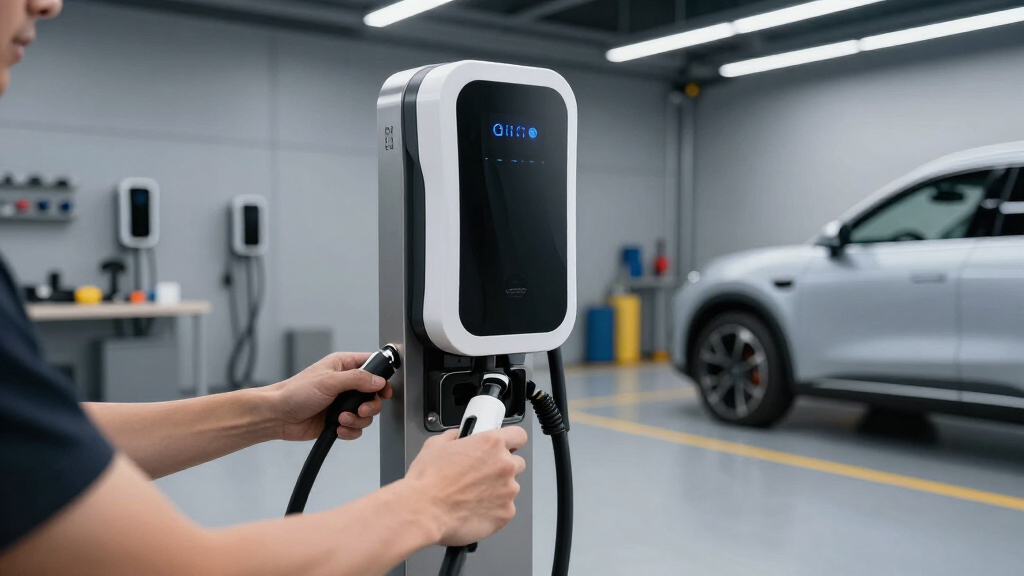
electric vehicle charging station charger
As an affiliate, we earn on qualifying purchases.
As an affiliate, we earn on qualifying purchases.
Florida’s Transportation Funding and Air Mobility Initiatives
Florida has been actively pursuing transportation innovation, including investments in electric vehicle infrastructure and emerging mobility solutions. The $200 million grant was originally designated for expanding EV charging stations, a key component of the state’s climate and transportation strategy. Recently, the state has also expressed interest in developing urban air mobility, partnering with private companies to explore air taxi services as a means of alleviating traffic congestion in densely populated areas. This reallocation of funds indicates a possible shift in the state’s approach to transportation development, prioritizing futuristic mobility solutions over traditional EV infrastructure.
“We believe investing in air taxis will position Florida as a leader in innovative transportation and urban mobility solutions.”
— Florida Department of Transportation spokesperson
As an affiliate, we earn on qualifying purchases.
Unanswered Questions About Funding and Implementation
It is still unclear how the funds will be reallocated, what specific projects will be prioritized, and how the transition from EV infrastructure to air taxi development will be managed. Details about the timeline, regulatory framework, and private sector involvement remain to be announced. Additionally, the overall impact on Florida’s climate commitments and existing EV infrastructure plans is yet to be assessed.
As an affiliate, we earn on qualifying purchases.
Next Steps in Florida’s Transportation Funding Shift
Florida officials are expected to release detailed proposals and project plans in the coming months. Public consultations and stakeholder engagement are likely to follow, along with potential legislative or regulatory adjustments. Monitoring how the funds are allocated and the progress of air taxi initiatives will be key to understanding the future landscape of Florida’s transportation infrastructure.
As an affiliate, we earn on qualifying purchases.
Key Questions
Why did Florida decide to redirect EV charging funds to air taxis?
Officials aim to promote urban air mobility as a new transportation solution, believing it can reduce traffic congestion and position Florida as a leader in innovative transit.
Will this affect Florida’s efforts to expand electric vehicle infrastructure?
Yes, critics argue that diverting funds could slow EV infrastructure expansion, potentially impacting climate goals and EV adoption in the state.
What are air taxis, and how are they supposed to work?
Air taxis are electric or hybrid vertical takeoff and landing aircraft designed to provide short-distance urban transportation, reducing reliance on ground traffic.
When will the projects funded by this reallocation begin?
Specific timelines are not yet announced, but Florida officials plan to release detailed proposals and project plans within the next few months.
Could this decision impact federal funding or other states’ policies?
It’s possible, as it may influence future federal allocations and set a precedent for prioritizing innovative mobility projects over traditional infrastructure.
Source: rss
Fall Picks
fall essentials
As an affiliate, we earn on qualifying purchases.