TL;DR
Open a free Amazon Business account
Business pricing, bulk buying and tax-exempt orders.
Create a free accountAs an affiliate, we earn on qualifying purchases.
A car emergency kit is your safety net during breakdowns or accidents. It should include basic supplies, safety gear, and communication tools, tailored to your environment. Regular checks and smart upgrades make it truly effective.
Imagine cruising down the highway when suddenly your car sputters and stalls. That sinking feeling? It’s what every driver fears. But here’s the secret: a well-packed emergency kit can turn chaos into control. It’s not just about having a few bandages; it’s about being ready for anything that might go wrong on the road.
In this article, you’ll learn what makes a perfect car emergency kit, how recent tech is changing safety gear, and simple steps to keep your kit ready. Think of it as your roadside insurance — small effort for big peace of mind.
Build your kit with essential safety, communication, and repair items that suit your driving environment.
Regularly check and refresh supplies—batteries, first aid, and fluids—to keep your kit effective.
Embrace new tech like solar chargers and GPS trackers for smarter, more reliable safety gear.
Tailor your kit for seasonal needs—extra water and blankets for winter, sun protection for summer.
Understand legal requirements in your area and follow best practices for quick access and maintenance.
What Should You Actually Include in a Car Emergency Kit?
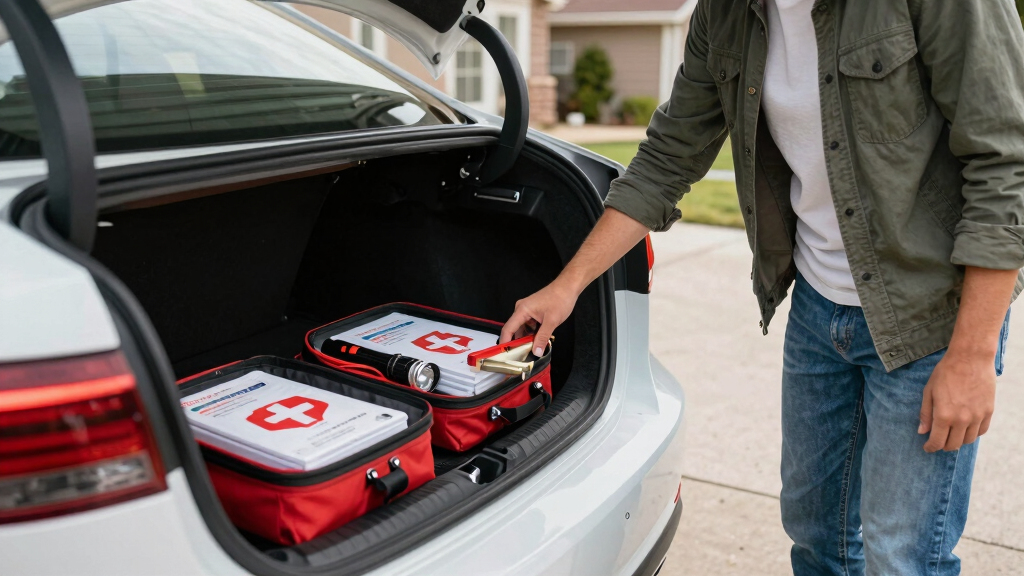
Think of your emergency kit as a toolbox for the unexpected. It should have the essentials: a first aid kit, a flashlight with extra batteries, bottled water, and snacks. These items are crucial because they directly address common roadside emergencies—like injuries, being stranded in the dark, or dehydration. By understanding why each item matters, you can prioritize what to carry based on your driving environment and typical conditions.
Tools are just as vital. Jumper cables can revive a dead battery, a tire pressure gauge helps prevent blowouts, and a multi-tool offers versatility for quick fixes. Safety gear like reflective triangles, a high-visibility vest, and a fire extinguisher aren’t just accessories—they are critical for alerting other drivers and protecting yourself in dangerous situations. These safety measures reduce the risk of accidents or injuries, especially in high-traffic or low-visibility scenarios.
Communication devices matter too. Keep your phone fully charged, plus a portable power bank to ensure you can call for help when needed. Bonus points for carrying a printed map or a dedicated GPS device, especially in areas with poor cell reception. Organizing everything in a tidy, accessible container means you can grab what you need quickly—because every second counts when you’re stranded or in danger.
Here’s a quick list:
- First aid kit
- Flashlight & extra batteries
- Bottled water & snacks
- Jumper cables
- Reflective warning triangles
- High-visibility vest
- Fire extinguisher
- Spare tire or repair kit
- Fully charged phone & power bank
As an affiliate, we earn on qualifying purchases.
How Modern Tech Is Making Car Emergency Kits Smarter and Safer
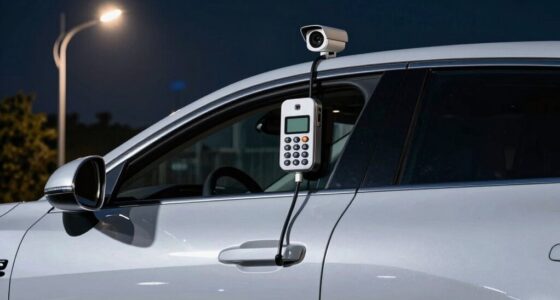
Emergency kits are evolving fast. Today, smart kits include GPS trackers that alert loved ones if you’re stranded, providing peace of mind and faster assistance. Some kits come with built-in power banks that can charge multiple devices simultaneously, ensuring your phone and other electronics stay operational during a crisis. Imagine a sleek, compact device that doubles as a safety alert system—this integration enhances your ability to communicate and be found quickly, which is crucial during a breakdown or accident.
Eco-friendly options are also gaining ground. Solar-powered flashlights and chargers mean you won’t drain your car’s battery or run out of power in remote areas. These sustainable choices reduce environmental impact while offering reliable power sources. Portable air compressors with digital pressure gauges help you fix flat tires efficiently, often faster than waiting for roadside assistance, minimizing downtime and inconvenience.
Specialized kits cater to specific needs—off-road adventurers or winter drivers, for example, can find tailored gear like snow shovels, warm blankets, or off-road recovery tools. These upgrades aren’t just luxury features; they can be lifesavers in extreme conditions, reducing the severity of emergencies and enabling self-sufficiency.
As an affiliate, we earn on qualifying purchases.
The Cold, Hard Facts About Car Emergency Kits
Having a prepared kit can cut your roadside risk by more than two-thirds. According to safety data, most breakdowns happen from flat tires, dead batteries, or running out of fuel—issues that can often be prevented or quickly addressed with the right supplies. Being ready with these essentials not only saves you time and money but also significantly reduces stress during stressful situations.
Legal rules vary by region. Some areas mandate carrying safety vests, warning triangles, or other safety equipment in your vehicle. Staying compliant not only avoids fines but also ensures you’re prepared to meet safety standards. Regularly checking your supplies—batteries, fluids, first aid items—keeps your kit reliable. Think of it as maintaining your vehicle; routine inspections prevent big problems later and ensure your gear performs when needed most.
Remember: a little prep goes a long way. When you’re stranded in a snowstorm or a summer heatwave, your kit’s contents could be the only thing keeping you safe until help arrives. Proper maintenance and awareness of legal requirements turn your emergency kit from a cluttered box into a vital safety tool.
As an affiliate, we earn on qualifying purchases.
Your Most Common Questions About Car Emergency Kits (Answered!)
Q: What’s the bare minimum I should have? Think jumper cables, a first aid kit, and a flashlight. These essentials address the most common roadside surprises, such as dead batteries, minor injuries, or darkness. Having these basics ensures you’re prepared for the majority of emergencies without overloading your vehicle.
Q: How often should I check my kit? A good rule: once every three months. Batteries can die, supplies can expire, and road conditions change. Regular inspections ensure everything works when needed, preventing failures at critical moments.
Q: Can I customize my kit for winter or summer? Absolutely. For winter, add warm blankets, ice scrapers, and extra water to handle cold-related issues. For summer, include sunglasses, sunscreen, and cooling towels to combat heat exhaustion. Tailoring your kit to seasonal conditions enhances safety and comfort.
Q: Are eco-friendly options worth it? Yes. Solar-powered lights and recyclable supplies not only reduce environmental impact but also tend to last longer and require less maintenance, making them practical choices for sustainable preparedness.
Q: How do I use a tire repair kit or jump starter? Follow the instructions provided—most kits include step-by-step guides. Practicing these procedures beforehand can boost your confidence and efficiency during an actual emergency, reducing panic and mistakes.
As an affiliate, we earn on qualifying purchases.
Conclusion
Your car emergency kit isn’t just a collection of stuff—it’s your safety partner on every trip. A few well-chosen tools, regular upkeep, and smart upgrades turn a roadside crisis into a manageable bump in the road.
Think of it as your invisible safety net. Keep it ready, keep it smart, and you’ll drive with a little more peace of mind—knowing you’re prepared for whatever the road throws at you.
Back to school Picks
back to school
As an affiliate, we earn on qualifying purchases.