
Before your summer trip, check your cooling system carefully. Inspect the radiator, hoses, and coolant level for leaks or cracks. Make certain the radiator cap is secure and remove debris that may block airflow. Look out for unusual noises, bad odors, or signs of overheating. Keep an eye on the AC system, filters, and refrigerant levels. Staying proactive helps prevent breakdowns and keeps your vehicle running smoothly—continue exploring for more tips to guarantee a safe, cool journey.

Get garage and car supplies delivered free — and shop member deals
- Fast, free delivery on millions of items
- Access to Prime Big Deal Days deals on October 6–7
- Prime Video, Amazon Music and more included
Key Takeaways
- Regularly inspect and replace the air filter to ensure optimal airflow and AC efficiency.
- Check refrigerant levels and look for leaks to maintain proper cooling performance.
- Examine the radiator, hoses, and coolant levels for signs of leaks or blockages.
- Listen for unusual noises and smell odors from the AC system as early warning signs.
- Perform routine cooling system checks and address issues promptly to prevent breakdowns during travel.

Summer travel often means long drives and hot days, so it’s crucial to guarantee your vehicle’s cooling system is in top shape before hitting the road. One of the first things you should check is your air filter. A clean air filter not only improves engine performance but also helps your AC system run more efficiently. When the air filter is clogged or dirty, it restricts airflow, making your air conditioning work harder and less effectively. Take a moment to inspect the filter — if it looks dusty or clogged, replace it. This simple step can prevent your AC from struggling during the hottest parts of your trip.
Check and replace your air filter to keep your AC running smoothly during summer drives.
Next, pay close attention to your refrigerant levels. The refrigerant is the lifeblood of your vehicle’s cooling system, responsible for absorbing and releasing heat to keep the cabin cool. Low refrigerant levels signal leaks or other issues that, if left unaddressed, could cause your AC to blow warm air. You don’t need to be a mechanic to perform a basic check — many auto parts stores offer quick tests or easy-to-use recharge kits. If your AC isn’t cooling properly or if you notice it’s blowing warm air, it’s a good idea to have a professional service your refrigerant levels before your trip. Not only does this ensure your AC will keep you comfortable, but it also prevents potential damage to the system caused by running low on refrigerant.
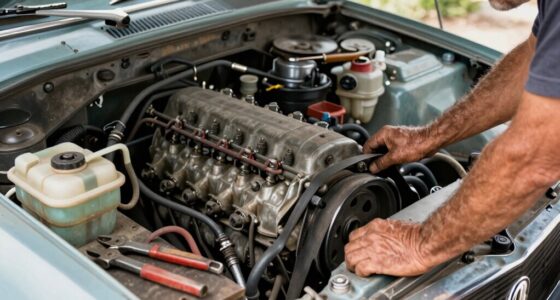
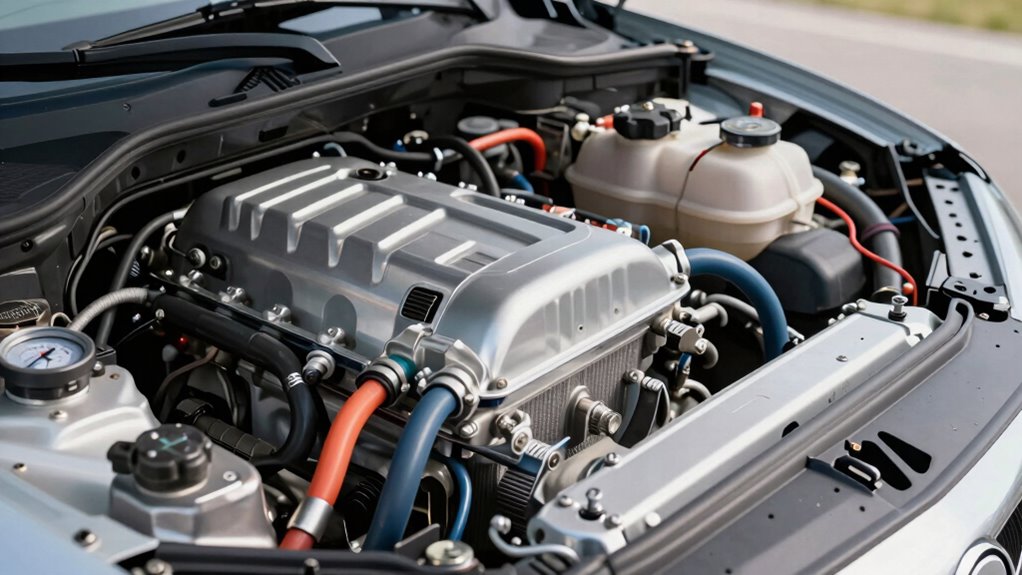
While checking the air filter and refrigerant levels, don’t forget to look over other cooling system components. Inspect the radiator and hoses for leaks or cracks, and make sure the coolant level is adequate. Proper coolant levels are essential because they help transfer heat away from the engine, preventing overheating during extended drives. Also, ensure your radiator cap is secure and that the radiator is free of debris, which could block airflow. Regular maintenance of cooling system components can help detect issues early and keep your vehicle running smoothly. Additionally, staying aware of vehicle overheating signs can help you catch problems before they become serious. Conducting routine cooling system checks can significantly reduce the risk of breakdowns, especially during the busy summer travel season. Keeping an eye on cooling system performance is vital for preventing unexpected overheating issues. Maintaining a well-functioning cooling system is key to avoiding breakdowns and ensuring your trip remains enjoyable.
Finally, listen for unusual noises or odors coming from your AC system when you turn it on. Strange sounds or smells can be signs of underlying issues that need professional attention. Addressing these problems early can save you from unexpected breakdowns on the road and ensures your vehicle remains reliable during your summer travels. By proactively maintaining your air filter, refrigerant levels, and cooling system components, you set yourself up for a safe, comfortable trip without the stress of overheating or AC failure.
As an affiliate, we earn on qualifying purchases.
Frequently Asked Questions
How Often Should I Have My Cooling System Inspected?
You should have your cooling system inspected at least once a year, preferably before summer hits. During the inspection, make sure you check air filter maintenance and thermostat calibration, as these are critical for peak performance. Regular inspections help catch issues early, preventing breakdowns during peak heat. If you notice uneven cooling or higher energy bills, schedule an inspection sooner. Proper maintenance keeps your system running efficiently and avoids costly repairs.
What Are the Signs of a Refrigerant Leak?
You notice warm air blowing from your vents or an unusual hissing sound—these are telltale refrigerant symptoms of a leak. You might also see ice forming on the refrigerant lines or a noticeable drop in cooling efficiency. Use leak detection techniques like soapy water to spot bubbles or an electronic leak detector. Promptly addressing these signs helps prevent further damage and keeps your AC running smoothly before summer travels.
Can a Dirty Filter Affect Cooling Efficiency?
A dirty filter definitely affects cooling efficiency. When you neglect air filter maintenance, dust and debris clog the filter, restricting airflow. This forces your cooling system to work harder, reducing its ability to cool effectively. To guarantee your system runs smoothly, regularly check and replace filters, keeping your cooling system clean. Proper maintenance helps prevent cooling problems, especially before summer travel, so your air stays cool and comfortable.
How Long Does a Typical AC Repair Take?
A typical AC repair takes anywhere from 1 to 3 hours, depending on the issue. Did you know that regular seasonal maintenance tips can reduce repair time by catching problems early? When considering energy-efficient upgrades, scheduling repairs promptly helps guarantee your system runs efficiently. If you notice inconsistent cooling or strange noises, don’t delay—quick repairs can save you money and keep your home comfortable during summer.
Is DIY Troubleshooting Effective for Cooling Issues?
DIY troubleshooting can be somewhat effective for cooling issues, especially for minor problems like dirty filters or thermostat settings. It helps you identify simple issues that affect energy efficiency and may save costs compared to calling a professional. However, for complex problems or refrigerant leaks, it’s best to contact a professional. Doing so guarantees proper repairs, maintains energy efficiency, and provides a clear cost comparison between DIY fixes and professional service.
As an affiliate, we earn on qualifying purchases.
Conclusion
By catching cooling issues early, you’re like a vigilant captain steering clear of stormy seas before your summer voyage. Regular checks are your lighthouse, guiding you safely through potential problems. Think of your AC as the heartbeat of your home’s comfort—listen closely, and address any irregular beats. With a little proactive care, you’ll sail into summer with smooth, cool sailing, leaving worries behind like driftwood on a calm beach. Stay alert, stay cool!
As an affiliate, we earn on qualifying purchases.
As an affiliate, we earn on qualifying purchases.
Halloween Picks
halloween
As an affiliate, we earn on qualifying purchases.