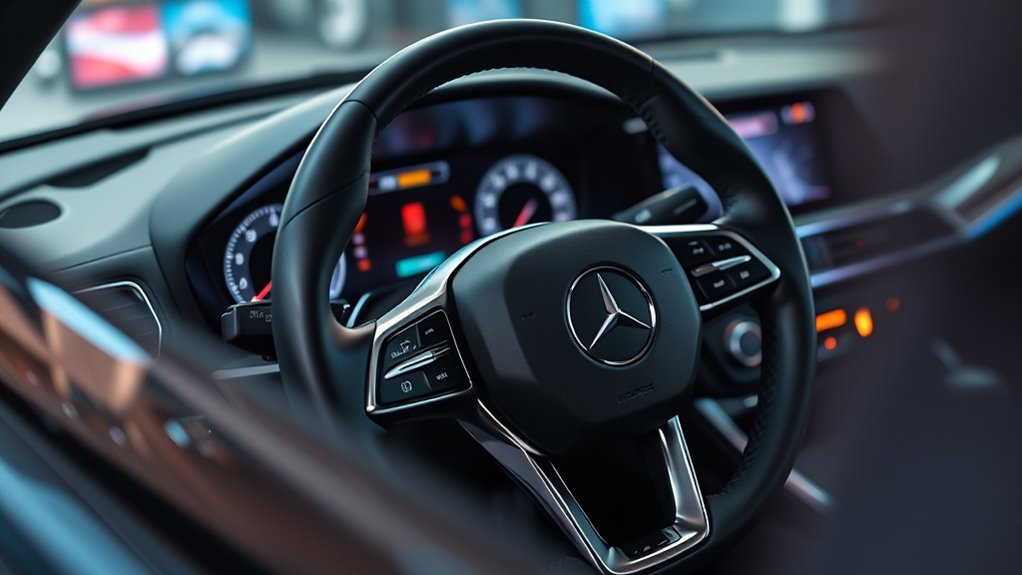

When searching for a universal steering wheel control interface, the goal is to find a solution that offers broad compatibility, straightforward installation, and dependable performance. The Scosche LUSWC Link+ stands out as the best overall due to its versatile compatibility and user-friendly setup. For those seeking a budget-friendly option, the Universal 8-Key Wired Radio Controller provides solid basic features, while the PAC CAN-Bus Interface excels in complex vehicle integrations. As you consider your choice, keep in mind that tradeoffs often involve balancing ease of use against customization and compatibility. Continue reading for a detailed breakdown of these options and what to consider before buying.

Get business pricing on garage and car supplies
- Business-only prices and quantity discounts
- Tax-exempt purchasing
- Multiple users, one account, clear invoices
Complete the kit


Key Takeaways
- Compatibility range varies significantly; top picks support the broadest vehicle and head unit compatibility.
- Ease of installation often comes at the expense of customization options—choose based on your technical comfort level.
- Premium options tend to offer better integration with CAN-bus systems, but cost more.
- Wired interfaces generally provide more reliable control than wireless models, which can suffer from interference.
- The most versatile interfaces include built-in programming tools, simplifying setup for diverse vehicle makes.
| Scosche LUSWC Link+ Universal Steering Wheel Control Interface |  | Best Overall for Broad Compatibility and Ease of Use | Compatibility: Most vehicles with factory steering wheel controls | Platforms Supported: Analogue, CAN-Bus, iBus, Class II, Matrix | Features: Button remapping, time/date control, reverse trigger, dash illumination control | VIEW ON AMAZON | See Our Full Breakdown |
| Universal Steering Wheel Control, 8-Key Wired Radio Controller Compatible with Most Car Android GPS DVD Multimedia Navigation Systems |  | Best for Wired Simplicity and Hands-Free Control | Model Name: Car Steering Wheel Controller | Dimensions: 11 * 2 * 4 cm | Connection Cable: 1 meter | VIEW ON AMAZON | See Our Full Breakdown |
| PAC Universal Analog CAN-Bus Steering Wheel Control Retention Interface |  | Best for Wide Vehicle and Radio Compatibility with Customization | Compatibility: Over 3000+ vehicles with data systems | Radio Compatibility: Most late-model radios with 3.5mm jack or two wire connections | Input: Wired remote input | VIEW ON AMAZON | See Our Full Breakdown |
| iDatalink Maestro SW Steering Wheel Control Adapter (ADS-MSW) |  | Best for OEM Integration with Custom Button Support | Compatibility: Most aftermarket radios and 1700+ vehicles after 1998 | Power Requirement: 12V DC | Installation: Requires splicing, soldering, programming | VIEW ON AMAZON | See Our Full Breakdown |
| Axxess AXSWC Steering Wheel Control Interface |  | Best for Universal Compatibility and Auto-Detection | Compatibility: All major radio brands | Vehicle detection: Auto | Control assignment: Dual | VIEW ON AMAZON | See Our Full Breakdown |
| AXXESS AXSWC-2 Steering Wheel Control Interface |  | Best for Compatibility and Ease of Use | Compatibility: Most popular radio brands | Update support: Axxess Updater app | Installation: Easy, plug-and-play | VIEW ON AMAZON | See Our Full Breakdown |
| universal steeringwheel control interface | Compatibility |
|---|---|
| Scosche LUSWC Link+ Universal | Most vehicles with factory steering wheel controls |
| Universal Steering Wheel Contr | Android and Windows CE multimedia systems |
| PAC Universal Analog CAN-Bus S | Over 3000+ vehicles with data systems |
| iDatalink Maestro SW Steering | Most aftermarket radios and 1700+ vehicles after 1998 |
| Axxess AXSWC Steering Wheel Co | All major radio brands |
| AXXESS AXSWC-2 Steering Wheel | Most popular radio brands |
More Details on Our Top Picks
Scosche LUSWC Link+ Universal Steering Wheel Control Interface
This option stands out for its ability to support a wide range of vehicle platforms, including analog, CAN-Bus, and iBus systems. Compared with the Axxess AXSWC, the Scosche LUSWC Link+ offers more extensive compatibility, especially with factory systems, making it ideal for those upgrading in various vehicle types. Its support for multiple vehicle platforms and a lifetime warranty add to its appeal, though its success depends on correct vehicle model identification and sometimes limited feature support. This makes it the best choice for owners seeking a reliable, plug-and-play solution that minimizes custom wiring.
Pros:- Supports multiple vehicle platforms for broad compatibility
- Easy installation with standard wire color codes
- Retains factory steering wheel controls and voice functions
- Lifetime warranty and dedicated tech support
Cons:- Compatibility depends heavily on specific vehicle models
- Some features may require particular vehicle support or firmware
Best for: Car owners with a variety of vehicle models seeking broad compatibility and straightforward installation
Not ideal for: Enthusiasts with highly customized vehicles or specific advanced features that require more flexible control options
- Compatibility:Most vehicles with factory steering wheel controls
- Platforms Supported:Analogue, CAN-Bus, iBus, Class II, Matrix
- Features:Button remapping, time/date control, reverse trigger, dash illumination control
- Warranty:Limited Lifetime
Our verdict“Ideal for owners needing a versatile, reliable interface that works across many vehicle types without complex setup.”
Universal Steering Wheel Control, 8-Key Wired Radio Controller Compatible with Most Car Android GPS DVD Multimedia Navigation Systems
This wired control makes managing audio and calls simple through its 8-button layout, and is compatible with a range of Android and Windows CE systems. Unlike the PAC SWI-RC-1, which offers extensive vehicle data support, this controller emphasizes straightforward, on-the-spot control with minimal setup. Its durability and ergonomic design make it suitable for drivers prioritizing safety and ease of use, but its wired connection limits flexibility and mobility. It’s best for those seeking a reliable, plug-and-play solution without the need for complex programming.
Pros:- Plug-and-play with pre-wired connectors
- Durable construction withstands harsh conditions
- Ergonomic design ensures safe use on the wheel
- Universal compatibility with multiple multimedia systems
Cons:- Limited to wired connection, reducing flexibility
- May require vehicle-specific mounting and configuration
- Compatibility not guaranteed with all vehicle models
Best for: Drivers who prioritize quick, reliable wired controls without extensive customization
Not ideal for: Those looking for wireless options or with complex vehicle setups requiring advanced button functions
- Model Name:Car Steering Wheel Controller
- Dimensions:11 * 2 * 4 cm
- Connection Cable:1 meter
- Number of Buttons:8
- Compatibility:Android and Windows CE multimedia systems
- Features:Mute, answer/end calls, volume control, music control
Our verdict“Best suited for drivers who want a straightforward, durable wired control for common multimedia functions.”
PAC Universal Analog CAN-Bus Steering Wheel Control Retention Interface
The PAC SWI-RC-1 excels at supporting over 3000 vehicle models, especially those with CAN-Bus or GMLAN systems, making it a flexible choice for many modern cars. Compared to the iDatalink Maestro SW, which requires soldering and programming, this interface is more straightforward via its web app and DIP switches, though it demands factory controls to function. Its support for a variety of vehicle data systems and a 12V accessory output make it a versatile pick, but it’s limited by compatibility issues with certain brands like Pioneer or Kenwood. This makes it suitable for owners comfortable with setup and seeking broad compatibility.
Pros:- Supports a vast range of vehicle and radio systems
- Web app setup simplifies configuration
- Provides a 12V accessory output for added convenience
- Supports multiple data communication protocols
Cons:- Not compatible with some popular brands like Pioneer or JVC
- Requires factory steering wheel controls to operate
- Compatibility depends on wired remote input availability
Best for: Car owners upgrading radios in vehicles with complex data systems who want wide compatibility and customization
Not ideal for: Beginners or those with older or non-data vehicle systems lacking factory steering wheel controls
- Compatibility:Over 3000+ vehicles with data systems
- Radio Compatibility:Most late-model radios with 3.5mm jack or two wire connections
- Input:Wired remote input
- Output:2-Amp 12V accessory
- Setup:Web app and DIP switch configuration
- Vehicle Systems Supported:CAN-Bus, GMLAN, LIN-Bus, IBUS, others
Our verdict“Best for tech-savvy users seeking extensive vehicle compatibility with flexible setup options.”
iDatalink Maestro SW Steering Wheel Control Adapter (ADS-MSW)
The iDatalink Maestro SW offers strong OEM integration, making it ideal for owners who want to preserve factory controls while upgrading to aftermarket radios. Unlike the Axxess AXSWC’s simplicity, this device involves more complex wiring, soldering, and programming, making it less suitable for beginners. Its support for custom button functions and a broad vehicle coverage—over 1,700 models—makes it a versatile choice for those with technical skills or professional installation. However, the installation effort is significant, and firmware updates may be needed for full compatibility. This is the best pick for enthusiasts or installers focused on maintaining OEM control features.
Pros:- Retains OEM steering wheel controls during stereo upgrade
- Supports custom button functions and firmware updates
- Compatible with many vehicles and radios
- Allows for personalized control configurations
Cons:- Requires soldering, wiring, and programming skills
- Installation can be complex and time-consuming
- Limited to supported vehicle and radio combinations
Best for: Advanced DIYers or professionals upgrading OEM systems seeking extensive customization
Not ideal for: Casual users or those unfamiliar with wiring and programming who want a simple plug-and-play solution
- Compatibility:Most aftermarket radios and 1700+ vehicles after 1998
- Power Requirement:12V DC
- Installation:Requires splicing, soldering, programming
- Supports:Custom button functions, firmware setup
Our verdict“Best suited for tech-savvy users who prioritize OEM control retention and customization over simplicity.”
Axxess AXSWC Steering Wheel Control Interface
The Axxess AXSWC is designed for those seeking a highly adaptable interface that supports all major radio brands. Unlike the PAC SWI-RC-1, which relies on vehicle data systems, the AXSWC auto-detects vehicle type and radio connection, simplifying installation. Its dual control assignment feature offers extra flexibility, though it may require manual programming for some vehicle-specific controls. The limited details on installation suggest that some users might find setup less straightforward than plug-and-play options. This product makes the most sense for owners who want broad compatibility with minimal fuss, but not necessarily advanced customization.
Pros:- Compatible with all major radio brands
- Auto-detects vehicle and radio connection
- Supports dual button assignment
- Simple to use for most vehicles
Cons:- Requires manual programming for some vehicles
- Limited detailed setup instructions
- Potential compatibility issues with complex vehicle systems
Best for: Consumers wanting automatic vehicle detection and broad radio compatibility with minimal manual setup
Not ideal for: Users seeking extensive control customization or detailed programming options
- Compatibility:All major radio brands
- Vehicle detection:Auto
- Control assignment:Dual
- Programming:Manual for some vehicles
Our verdict“Best for users who want reliable, automatic detection and broad compatibility without complex programming.”
AXXESS AXSWC-2 Steering Wheel Control Interface
The AXXESS AXSWC-2 stands out for its broad compatibility with various radio brands and its seamless integration via the free Axxess Updater app, which simplifies installation and updates. Compared with the iDatalink Maestro SW, this model offers a more straightforward setup process, especially for users who prioritize mobile app support. However, it provides limited details on specific radio compatibility, which could lead to uncertainty if your vehicle’s system is less common. The warranty period is also shorter than some premium interfaces, posing a risk for long-term use. Despite these tradeoffs, its user-friendly approach makes it ideal for those seeking quick, reliable installation without extensive technical knowledge.
Pros:- Compatible with most major radio brands
- Supports mobile app updates for easy configuration
- Simple installation process
Cons:- Limited information on specific vehicle compatibility
- Warranty period may be shorter than competing models
- Lacks advanced customization options
Best for: DIY enthusiasts and installers who want broad radio compatibility and easy updates via smartphone apps.
Not ideal for: Professional installers needing detailed compatibility lists or advanced integration features, as this model may lack depth in technical support.
- Compatibility:Most popular radio brands
- Update support:Axxess Updater app
- Installation:Easy, plug-and-play
- Control support:Steering wheel buttons
- Warranty:Limited, specifics not detailed
- Mobile app:Yes
Our verdict“This interface suits users who value simplicity and broad compatibility over advanced features or extensive technical support.”
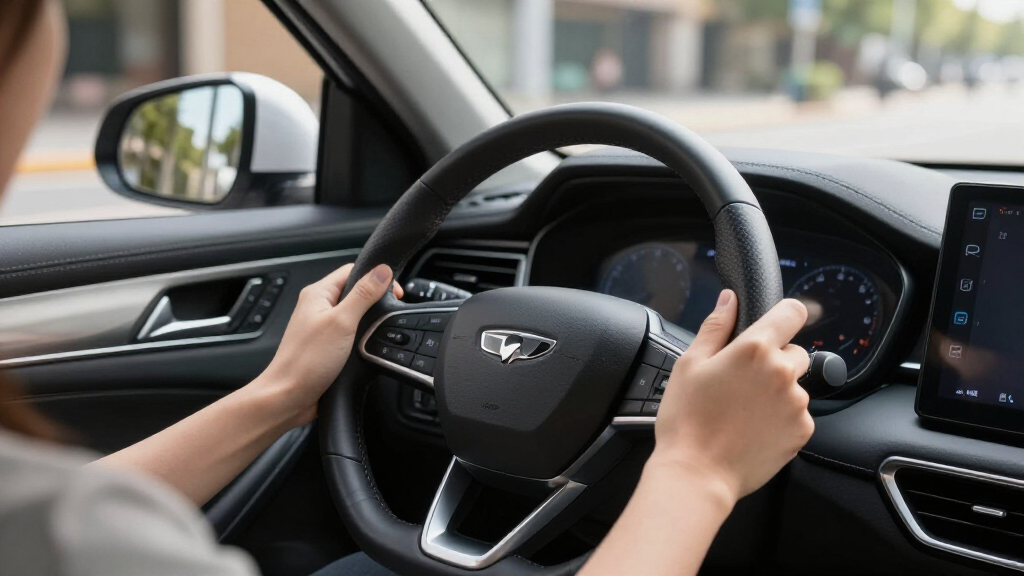
How We Picked
These products were selected based on their compatibility with a wide range of vehicles and head units, ease of installation, build quality, and user feedback. We prioritized interfaces that support common vehicle communication protocols like CAN-bus, as well as those with straightforward setup procedures. To rank them, we balanced performance features with value, considering whether the interface provides reliable control, ease of use for beginners, and flexibility for advanced users. Our goal was to identify options that suit different buyer needs—from casual users to seasoned installers—while maintaining a focus on durability and compatibility.| universal steeringwheel control interface | Compatibility |
|---|---|
| Scosche LUSWC Link+ Universal | Most vehicles with factory steering wheel controls |
| Universal Steering Wheel Contr | Android and Windows CE multimedia systems |
| PAC Universal Analog CAN-Bus S | Over 3000+ vehicles with data systems |
| iDatalink Maestro SW Steering | Most aftermarket radios and 1700+ vehicles after 1998 |
| Axxess AXSWC Steering Wheel Co | All major radio brands |
| AXXESS AXSWC-2 Steering Wheel | Most popular radio brands |
Factors to Consider When Choosing Universal Steeringwheel Control Interface
Choosing the right universal steering wheel control interface involves several key considerations. It’s important to evaluate how well an interface integrates with your vehicle’s existing electronics, as compatibility issues can be a common hurdle. Ease of installation can save you time and frustration, especially if you’re not technically inclined. Additionally, consider whether you need wired or wireless options, as this impacts reliability and setup complexity. Budget also plays a role: high-end units often offer broader compatibility and more features, but at a higher cost. By understanding these factors, you can better match a product to your specific vehicle and usage needs.Compatibility and Vehicle Support
One of the most important factors is whether the interface supports your vehicle’s make, model, and year. Some units are designed for broad compatibility, while others target specific brands or systems. Checking manufacturer lists and user reviews can clarify real-world support. Investing in a highly compatible interface reduces the risk of non-functioning controls or complex wiring adjustments later on. However, highly compatible units often come at a premium, so consider your vehicle’s age and system complexity when choosing.
Ease of Installation and Setup
Installation complexity varies widely. Some interfaces come with detailed wiring diagrams and plug-and-play connectors, making setup accessible for DIY enthusiasts. Others require more advanced knowledge of vehicle electronics, which might necessitate professional installation. An interface with straightforward configuration options or programming tools can save significant time and reduce errors. Be mindful that overly simple units may lack advanced features, so weigh your comfort level against your desired control capabilities.
Wired vs Wireless Connectivity
Wired interfaces tend to offer more reliable control signals, minimizing lag or interference. Wireless options, such as Bluetooth or RF, provide greater flexibility and cleaner installation but can suffer from signal drops or latency issues. If you prioritize consistent performance—especially in complex or metal-heavy vehicles—wired units are generally preferable. Conversely, wireless models may suit vehicles where wiring is difficult or unsightly, but expect potential connectivity hiccups.
Compatibility with Advanced Vehicle Systems
If your vehicle uses CAN-bus or other advanced communication protocols, look for interfaces that explicitly support these systems. Such units can provide deeper integration, allowing for more control functions and better synchronization with vehicle electronics. However, they often come with a higher price and require more technical knowledge to configure properly. Basic units may suffice for simpler setups but could limit functionality or compatibility in modern vehicles.
Budget and Long-Term Value
While budget options can be tempting, they might lack support for newer vehicles or advanced features, leading to frustration or the need for upgrades later. Investing in a more capable, slightly higher-priced unit can provide better longevity, broader support, and more reliable control. Consider your current vehicle, future upgrade plans, and how much control customization you need. Spending more upfront can often save time and money down the line, especially if you value seamless operation over the long term.
Frequently Asked Questions
Will this interface work with my specific vehicle model?
Compatibility depends on the make, model, and year of your vehicle, as well as the head unit or multimedia system installed. Most manufacturers provide compatibility charts or lists of supported vehicles, which should be reviewed before purchasing. If your vehicle isn’t listed, it’s worth checking user forums or contacting customer support. Sometimes, even unsupported vehicles can work with certain interfaces, but this may require additional wiring or programming steps, increasing complexity.
Can I install this myself, or do I need a professional?
Many universal interfaces are designed for DIY installation, especially those with plug-and-play connectors and clear instructions. However, vehicles with complex wiring or advanced electronics might require professional help to avoid damage or improper setup. If you’re comfortable with car electronics and follow instructions carefully, you can likely handle the installation yourself. For more complicated setups or if you’re unsure, consulting a professional installer ensures proper integration and reduces potential issues.
Will this interface interfere with my vehicle’s existing electronics?
Quality interfaces are designed to integrate seamlessly with vehicle electronics without causing interference. However, lower-quality or incompatible units may introduce noise, electrical issues, or control lag. Ensuring the product supports your vehicle’s communication protocols and following installation instructions carefully can minimize these risks. Reading user reviews for reports of interference can also help gauge real-world performance in similar vehicle setups.
Is wireless control reliable enough for daily use?
Wireless interfaces offer enhanced flexibility, but their reliability can vary based on interference, distance, and vehicle environment. In most cases, Bluetooth or RF-based units work well for casual use, but in environments with high electromagnetic interference, control lag or dropouts might occur. For consistent, hassle-free operation—especially in busy or metal-heavy vehicles—wired interfaces tend to be more dependable. Consider your environment and how critical uninterrupted control is for your needs.
What features should I prioritize if I want future-proofing?
To future-proof your setup, look for interfaces that support broad vehicle compatibility, include programming tools, and support advanced communication protocols like CAN-bus. Features like customizable control buttons, firmware update capability, and compatibility with a wide range of vehicle brands can extend the lifespan of your investment. Spending a bit more on a versatile, well-supported interface can make upgrades or vehicle changes easier without needing to replace the entire system later.
Conclusion
The best choice depends on your specific needs. For overall reliable performance and broad vehicle support, the Scosche LUSWC Link+ makes a strong case as the best overall option. Budget-conscious buyers aiming for basic functionality should consider the Universal 8-Key Wired Radio Controller. Those seeking advanced integration and future compatibility might prefer the iDatalink Maestro SW or the PAC CAN-Bus Interface. Beginners or casual users will find wired models easier to install and more dependable, while experienced installers should weigh the benefits of more complex, feature-rich units. In all cases, matching the interface to your vehicle’s communication protocols and your control needs is key to a satisfying upgrade.
Fall Picks
fall essentials
As an affiliate, we earn on qualifying purchases.