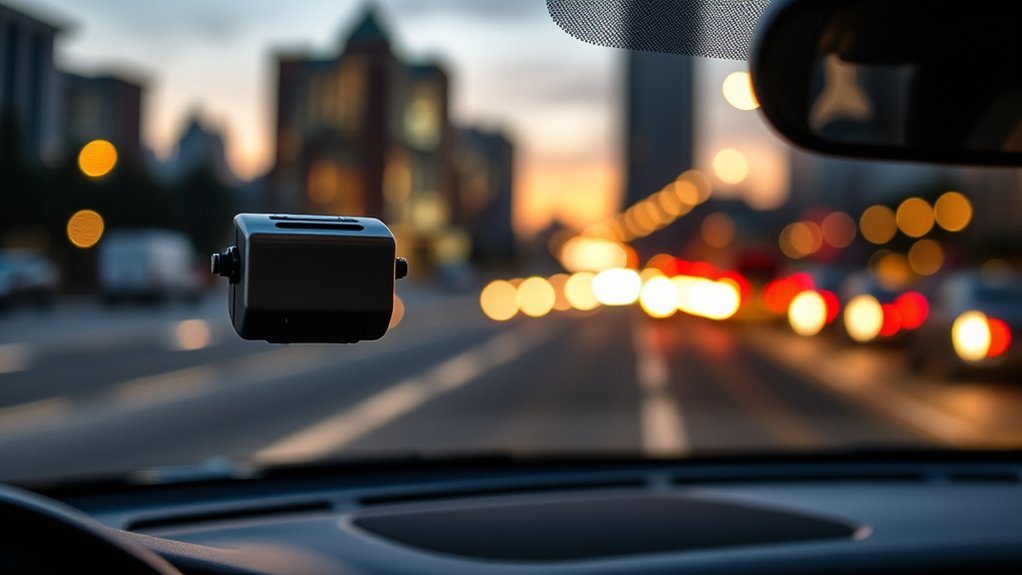
When it comes to protecting your vehicle from break-ins, a reliable glassbreak detector is essential. The DSC PowerSeries Neo Wireless PowerG stands out as the best overall due to its advanced wireless capabilities and broad detection range. For those on a budget, the SCYTEK GSI Single Stage Glass Break Sensor offers solid performance at a lower price, while the Honeywell FG-1625 FlexGuard provides dependable detection with a simple setup. These devices differ mainly in sensitivity, compatibility, and ease of installation, making it important to choose one that aligns with your specific needs. Keep reading to see the full breakdown of each option and find the perfect match for your vehicle security.

Get business pricing on garage and car supplies
- Business-only prices and quantity discounts
- Tax-exempt purchasing
- Multiple users, one account, clear invoices
Complete the kit


Key Takeaways
- Top-performing models combine high sensitivity with adjustable settings to avoid false alarms.
- Wireless detectors offer easier installation but may require more frequent battery replacements.
- Compatibility with existing alarm systems can significantly influence overall security effectiveness.
- Price often correlates with features like dual-stage detection and advanced signal processing.
- Choosing a detector with proper mounting options and tamper alerts adds extra security layers.
| DSC PowerSeries Neo Wireless PowerG Glass Break Detector |  | Best Overall for Versatile Security with Reliable Coverage | Detection Range: 20 ft | Glass Types: plate, tempered, laminated, wired | Technology: Acoustic Pattern Recognition | VIEW ON AMAZON | See Our Full Breakdown |
| DEI 506T Audio Glass Break Sensor |  | Best for Detecting Quiet Glass Breaks and Tampering | Brand: Directed | Unit Count: 1 | Weight: 4.8 ounces | VIEW ON AMAZON | See Our Full Breakdown |
| SCYTEK GSI Single Stage Glass Break Sensor Universal for All Car Alarms |  | Best Universal Compatibility for Easy Integration | Mounting Type: Flange Mount | Output Type: Electrical signal | VIEW ON AMAZON | See Our Full Breakdown | |
| Compustar Compushock Impact Glass Shock Sensor |  | Best for Impact and Vibration Detection | VIEW ON AMAZON | See Our Full Breakdown | |||
| Paradox G550 Wireless Glassbreak Detector – 433MHz |  | Best Wireless 360° Coverage with Flexible Mounting Range | Coverage: 360° | Mounting Range: 3.3 feet to 20 feet | Frequency: 433MHz | VIEW ON AMAZON | See Our Full Breakdown |
| XUMIUZIY Glass Break Detector Vibration Sensor Alarm for Window and Door |  | Best Overall for Versatile Vibration Detection | Sensitivity Levels: 1-5 | Volume: 130dB | Power Source: AAA batteries | VIEW ON AMAZON | See Our Full Breakdown |
| Fabater Window Vibration Alarm Anti Theft Glass Break Sensor for Car and Home |  | Best Value for Dual-Purpose Security | Item Type: Window Door Alarm | Material: ABS | Battery: 2 x AAA (Included) | VIEW ON AMAZON | See Our Full Breakdown |
| Alarm System Glass Break Detector for Home and Car, Adjustable Vibration Sensitivity and Up to 130dB Volume |  | Best for Customizable Vibration Detection | Vibration Sensitivity: Levels 1-5 | Volume Range: Up to 130dB | Batteries: 2 AAA Batteries (included) | VIEW ON AMAZON | See Our Full Breakdown |
| SimpliSafe Glassbreak Sensor – 20ft Range, Sound Detection, Compatible with Gen 3 Home Security System |  | Best for Sound-Based Glass Break Detection with App Alerts | Detection Range: 20 ft | Technology: Sound detection | Compatibility: SimpliSafe Gen 3 | VIEW ON AMAZON | See Our Full Breakdown |
| Megatronix ES2 Dual Stage Adjust Piezoelectric Car Alarm Security Shock Sensor |  | Best for Dual-Stage Impact Detection in Vehicles | Operation Voltage: 12V DC | Current Draw: Less than 15mA | Stages: Dual (Light impact warning and heavy impact trigger) | VIEW ON AMAZON | See Our Full Breakdown |
| Megatronix GS2 Dual Stage Audio Car Alarm Security Glass Break Sensor |  | Best Overall for Reliable Dual-Stage Glass Break Detection | Power Source: 12V DC | Microphone Wire Length: 36 inches | Operation Current: less than 15mA | VIEW ON AMAZON | See Our Full Breakdown |
| Honeywell FG-1625 FlexGuard Glassbreak Detector |  | Best for Ultra-Low Frequency Sensitivity and Easy Testing | Detection Range: 25 feet | Power Requirements: 6-18VDC | Current: 12mA at 12VDC, 22mA max | VIEW ON AMAZON | See Our Full Breakdown |
More Details on Our Top Picks
DSC PowerSeries Neo Wireless PowerG Glass Break Detector
This detector stands out for its comprehensive 360° acoustic pattern recognition, making it a top choice for those seeking broad coverage across different glass types, including laminated and wired glass. Compared to the Paradox G550, it offers more detailed feedback with visible link quality and battery indicators, which enhances reliability. However, its focus on glass break detection means it lacks impact or vibration sensing for broader security layers. The detection range of 20 feet can vary depending on environmental factors, so placement is key. Still, its ability to identify multiple glass types makes it suitable for varied vehicle windows, especially in complex setups where multiple glass types are present.
Pros:- Provides 360° coverage with acoustic pattern recognition
- Detects various glass types including laminated and wired
- Includes visible link quality and low battery indicators
Cons:- Limited strictly to glass break detection, no impact sensing
- Detection range may fluctuate depending on environmental interference
Best for: Owners of high-security vehicles needing reliable, all-glass detection with clear status indicators
Not ideal for: Casual users seeking simple, plug-and-play solutions or combined impact detection
- Detection Range:20 ft
- Glass Types:plate, tempered, laminated, wired
- Technology:Acoustic Pattern Recognition
- Indicators:Link quality, low battery
Our verdict“This pick is perfect for those requiring detailed glass break detection with reliable status feedback in complex vehicle setups.”
DEI 506T Audio Glass Break Sensor
The DEI 506T excels at catching subtle glass breaks, making it ideal for vehicle owners worried about quiet theft attempts. Its microphone and microprocessor analyze sound frequency, intensity, and timing to distinguish actual glass breaks from false alarms — a step up from basic vibration sensors. Compared to the Compustar Compushock, it offers more sophisticated audio analysis but may require professional installation for optimal results. Some users report false alarms if not set up correctly, emphasizing the importance of proper positioning. While it’s highly sensitive to sound, it only detects glass breakage, so it’s best paired with other sensors for complete security.
Pros:- Detects even quiet glass breaks to prevent theft
- Uses sophisticated sound analysis to reduce false alarms
- Can be professionally installed for precise detection
Cons:- May require professional installation for best performance
- Limited to vehicle glass break detection, no impact sensing
Best for: Car owners concerned about stealthy break-ins and willing to invest in professional setup
Not ideal for: DIY enthusiasts seeking a quick, no-fuss installation or multi-sensor coverage
- Brand:Directed
- Unit Count:1
- Weight:4.8 ounces
- Best Sellers Rank:#301,591 in Automotive
- Category Rank:#605 in Antitheft Accessories
Our verdict“Ideal for those needing sensitive audio detection to catch quiet or stealthy glass break attempts, especially when professional setup is an option.”
SCYTEK GSI Single Stage Glass Break Sensor Universal for All Car Alarms
The SCYTEK GSI is a straightforward choice for those seeking a universal, easy-to-install glass break sensor compatible with all car alarms. Its flange mounting and electrical signal output make it adaptable across various systems, unlike more specialized models like the Compustar Compushock. Its main limitation is the lack of detailed specifications and customer feedback, which makes predicting performance more challenging. Proper mounting is essential to ensure reliable detection, but once installed correctly, it provides dependable glass break alerts. This makes it a smart pick for installers or DIYers who prioritize compatibility and simplicity over advanced features.
Pros:- Universal compatibility with all car alarms
- Reliable glass break detection
- Easy to install
Cons:- Limited detailed specifications and customer reviews
- Requires proper mounting for effective operation
Best for: DIY vehicle security installers or owners with existing alarm systems requiring a universal glass break sensor
Not ideal for: Owners seeking advanced, feature-rich detection or detailed performance data
- Mounting Type:Flange Mount
- Output Type:Electrical signal
Our verdict“Best suited for users who need a simple, compatible glass break sensor that’s easy to install with minimal fuss.”
Compustar Compushock Impact Glass Shock Sensor
The Compushock Impact Sensor targets impacts and vibrations rather than sound, making it suitable for owners who want to detect physical tampering or vandalism. Compared with audio-based sensors like the DEI 506T, it offers a different kind of security layer by sensing shocks directly. Its main limitation is the lack of detailed technical specs, which could make tuning or installation trickier. It’s best suited for professional installers or experienced users who understand impact detection nuances. While reliable for impact sensing, it’s not designed to detect glass breakage acoustically, so it’s better paired with a dedicated glass break sensor for comprehensive coverage.
Pros:- Reliable impact and vibration detection
- Easy to install in vehicle security systems
- Suitable for vandalism prevention
Cons:- Limited information on technical specifications
- Requires professional installation for best results
Best for: Vehicle owners looking for impact-based security to detect vandalism or forced entry
Not ideal for: Those seeking audio-based glass break detection or multi-sensor setups requiring detailed specifications
Our verdict“Ideal for users prioritizing impact and vibration detection over acoustic glass break sensing, especially in vandal-prone areas.”
Paradox G550 Wireless Glassbreak Detector – 433MHz
The Paradox G550 offers impressive 360° glassbreak detection via advanced acoustic sensors, suitable for users who want flexible mounting options from 3.3 to 20 feet away. Its wireless design with supervised operation enhances reliability, especially when compared to wired models like the DSC PowerSeries Neo. However, its reliance on 433MHz frequency can lead to interference in environments crowded with wireless devices, potentially affecting performance. The detector’s high immunity to RFI and EMI signals makes it suitable for modern vehicles with many electronic systems. Its sleek design complements vehicle aesthetics, but optimal performance depends on correct mounting distance, which might be tricky in tight or irregular spaces.
Pros:- Provides comprehensive 360° detection coverage
- Wireless with supervised capabilities for dependable operation
- Flexible mounting distance from 3.3 to 20 feet
Cons:- Requires precise mounting distance for best performance
- Limited to 433MHz frequency, potential interference in crowded environments
Best for: Owners seeking a wireless, easy-to-mount detector with broad coverage and high interference immunity
Not ideal for: Users in highly congested RF environments or those who prefer non-wireless solutions
- Coverage:360°
- Mounting Range:3.3 feet to 20 feet
- Frequency:433MHz
- Wireless:Yes
- Design:Modern & Sleek
- Immunity:High to RFI & EMI
Our verdict“Perfect for wireless security setups that demand broad coverage and flexible mounting, provided RF interference is minimal.”
XUMIUZIY Glass Break Detector Vibration Sensor Alarm for Window and Door
This vibration sensor stands out for its customizable sensitivity and volume, making it a flexible choice for both car and home security. Compared with the Alarm System Glass Break Detector, it offers adjustable sensitivity levels, which help reduce false alarms caused by minor vibrations, but it relies solely on vibration detection, potentially missing silent intrusions. Its easy-to-apply adhesive and long battery life of up to a year add to its convenience, though the need for battery replacements and susceptibility to false alarms from minor vibrations are tradeoffs. Designed for those seeking adaptable, straightforward security, this model excels in environments where vibration sensitivity needs fine-tuning. However, it’s less suitable if you prefer detection methods beyond vibration sensing or want a more integrated system.
Pros:- Adjustable sensitivity and volume for tailored alerts
- Easy to install with self-adhesive backing
- Long battery life of up to a year
Cons:- Relies solely on vibration detection, which may miss silent break-ins
- Requires battery replacements over time
- Potential false alarms from minor vibrations
Best for: Homeowners or vehicle owners seeking customizable vibration security with simple installation
Not ideal for: Users needing detection of silent glass break-ins or more sophisticated security integration
- Sensitivity Levels:1-5
- Volume:130dB
- Power Source:AAA batteries
- Battery Life:up to 1 year
- Installation:Self adhesive mounting
Our verdict“This sensor is ideal for those who want flexible vibration detection but are aware of its limitations in silent intrusion detection.”
Fabater Window Vibration Alarm Anti Theft Glass Break Sensor for Car and Home
Compared to the Alarm System Glass Break Detector, the Fabater alarm offers similar adjustable sensitivity but emphasizes its low power consumption with a battery life of up to one year, making it cost-effective for long-term use. It’s effective at detecting severe impacts or actual glass breakage, providing a clear alert for high-impact events. However, its reliance on impact severity means it may not trigger from gentle vibrations or normal door opening, limiting its scope in some scenarios. This makes it well-suited for users who want a straightforward, battery-efficient device that covers both home and vehicle security. On the downside, if installed on a vehicle with glass obstructed or in environments with frequent minor vibrations, it might underperform.
Pros:- Adjustable sensitivity and volume for tailored security
- Easy adhesive installation on various surfaces
- Battery life up to one year with low power consumption
Cons:- Alarm triggers mainly with severe impacts, not regular door opening
- May not detect glass breakage if impacts are minor
- Less effective if glass is obstructed or vibrations are weak
Best for: Users seeking a budget-friendly, impact-focused alarm for cars and homes
Not ideal for: Those wanting detection of subtle or silent break-ins, or requiring detection from a distance
- Item Type:Window Door Alarm
- Material:ABS
- Battery:2 x AAA (Included)
- Adjustable Volume Range:65dB to 120dB
- Battery Life:up to 1 year
Our verdict“A solid choice for impact-based security that balances cost and effectiveness for home and vehicle use.”
Alarm System Glass Break Detector for Home and Car, Adjustable Vibration Sensitivity and Up to 130dB Volume
This detector offers the highest maximum volume among vibration sensors at 130dB, making it suitable for noisy environments. Its adjustable sensitivity levels allow fine-tuning, similar to the XUMIUZIY, but with a focus on vibration rather than sound. Installation is straightforward via self-adhesive backing, and the long battery life of up to a year reduces maintenance. However, like the others, it primarily detects vibrations, meaning it might not respond to silent or low-impact threats. Its adjustable sensitivity helps minimize false alarms, yet setting it incorrectly could either miss intrusions or cause nuisance alerts. This pick is best for those who need a loud, customizable vibration alarm for both home and vehicle security.
Pros:- Adjustable sensitivity and volume for precise control
- Easy installation with adhesive backing
- High maximum volume of 130dB for loud alerts
Cons:- Limited to vibration detection, not actual glass break sound
- Potential false alarms if settings are not properly adjusted
- May not detect silent or low-impact break-ins
Best for: Homeowners or vehicle users wanting a loud, adjustable vibration alarm with flexible sensitivity
Not ideal for: Those needing detection of silent glass break or expecting to detect from a distance in noisy environments
- Vibration Sensitivity:Levels 1-5
- Volume Range:Up to 130dB
- Batteries:2 AAA Batteries (included)
- Material:ABS
- Battery Life:Up to 1 year
Our verdict“Ideal for users who prioritize loud, customizable vibration alerts, accepting the limits of vibration-only detection.”
SimpliSafe Glassbreak Sensor – 20ft Range, Sound Detection, Compatible with Gen 3 Home Security System
Compared with vibration-based sensors, the SimpliSafe Glassbreak Sensor excels in detecting actual sound of breaking glass within 20 feet, providing quick alerts via the app. Its ease of installation with peel-and-stick makes it attractive for users already integrated into the SimpliSafe system. However, its reliance on sound detection means it might miss silent break-ins or be triggered by loud noises unrelated to glass breaking. Its detection range can vary depending on environmental noise levels, and it only works for those with compatible systems. For owners seeking a straightforward, sound-based alert that integrates with a broader security ecosystem, this sensor makes sense—though it sacrifices the versatility of vibration detection.
Pros:- Easy peel-and-stick installation
- Instant alerts via the SimpliSafe app
- Long-lasting batteries for minimal maintenance
Cons:- Limited to sound detection, may miss silent break-ins
- Requires compatible SimpliSafe system
- Detection range affected by environmental noise
Best for: Homeowners with existing SimpliSafe systems who want quick, sound-based glass break alerts
Not ideal for: Users seeking standalone solutions or those in noisy environments where false alarms are common
- Detection Range:20 ft
- Technology:Sound detection
- Compatibility:SimpliSafe Gen 3
- Installation:Peel and stick or hardware mounting
- Battery Life:Long-lasting
Our verdict“Best suited for users invested in the SimpliSafe ecosystem who prioritize sound detection and quick notifications over vibration sensing.”
Megatronix ES2 Dual Stage Adjust Piezoelectric Car Alarm Security Shock Sensor
This dual-stage piezoelectric shock sensor is tailored for vehicle security, offering separate settings for light impacts and heavy blows. Unlike the vibration sensors listed above, it provides distinct warnings for different impact levels, making it ideal for distinguishing minor disturbances from serious threats. Its adjustable screws and LEDs facilitate precise tuning, but this manual setup can be complex for some users. The sensor’s low power draw is a plus, yet the need for careful tuning means it may require some trial and error to optimize performance. This pick targets vehicle owners who want a dedicated, impact-sensitive alarm that can be finely calibrated for their security needs, though it’s less suited for standalone home applications.
Pros:- Dual-stage sensitivity for nuanced impact detection
- Adjustable settings for precise tuning
- Low power consumption for vehicle use
Cons:- Requires manual tuning for optimal performance
- Installation process may be complex for novices
- Limited details on installation ease in product info
Best for: Car owners wanting a dual-stage impact sensor with precise impact discrimination
Not ideal for: Users seeking vibration-based, easy-to-install sensors or home security applications
- Operation Voltage:12V DC
- Current Draw:Less than 15mA
- Stages:Dual (Light impact warning and heavy impact trigger)
- Adjustments:Separate tuning screws and LEDs
Our verdict“Best for drivers who want a customizable, impact-sensitive alarm that can differentiate impact severity for vehicle security.”
Megatronix GS2 Dual Stage Audio Car Alarm Security Glass Break Sensor
The Megatronix GS2 stands out for its dual-stage detection capability, which distinguishes it from simpler sensors like the Honeywell FG-1625, by differentiating between light and heavy impacts through sound frequency analysis. This reduces false alarms significantly, making it ideal for those who prioritize security without constant nuisance alerts. Compared to single-stage sensors, the dual approach offers greater reliability, though it involves more complex wiring, as some users will need to cut and hardwire the plug. Its universal compatibility with various alarm systems broadens its appeal, but the lack of a battery means an external power source is required. This pick makes the most sense for car owners seeking a robust, adaptable sensor with minimal false alarms, willing to handle some installation complexity.
Pros:- Dual-stage detection improves reliability by differentiating impacts
- Sound frequency analysis reduces false alarms
- Universal compatibility with many alarm systems
Cons:- Requires cutting and hardwiring the plug for some installations
- Battery not included, so external power is necessary
Best for: Car owners who want a dependable, dual-stage glass break sensor that minimizes false alarms and works with existing alarm systems
Not ideal for: DIY enthusiasts seeking a plug-and-play solution or those with limited wiring experience, due to the need for cutting and hardwiring
- Power Source:12V DC
- Microphone Wire Length:36 inches
- Operation Current:less than 15mA
- Compatibility:Universal, compatible with select alarm systems
- Mounting Type:Wall Mount
Our verdict“This sensor is ideal for security-conscious users seeking reliable, adaptable glass break detection with minimal false alarms, despite installation complexity.”
Honeywell FG-1625 FlexGuard Glassbreak Detector
The Honeywell FG-1625 FlexGuard excels in detecting ultra-low frequencies, making it suitable for environments where glass may be more resistant to impact, unlike the Megatronix GS2, which relies on sound analysis. Its ability to be tested with a simple clap provides reassurance that the sensor is functioning properly—a feature not as straightforward with the GS2. However, its 25-foot range is more limited compared to larger spaces, and it requires an external power source, which may add to installation considerations. Designed solely for glassbreak detection, it lacks the impact-sensing capabilities of dual-stage systems. This device makes sense for users needing a sensitive, easy-to-test detector primarily for smaller or enclosed spaces where ultra-low frequency detection is key.
Pros:- Sensitive to ultra-low frequencies, improving detection of resistant glass
- Easy to test with a clap, confirming functionality quickly
- Low power consumption suitable for continuous operation
Cons:- Limited detection range of 25 feet may not cover large areas
- Requires external power supply, adding installation steps
- Specific to glassbreak detection only, not impact or vibration
Best for: Home or vehicle owners who need a highly sensitive, easy-to-test glassbreak detector within a 25-foot radius
Not ideal for: Large properties or vehicles requiring longer detection ranges or multi-impact sensing, as its range and capabilities are limited
- Detection Range:25 feet
- Power Requirements:6-18VDC
- Current:12mA at 12VDC, 22mA max
- AC Ripple:4V peak to peak at 12VDC
Our verdict“This detector is best for users needing a highly sensitive, simple-to-test device for smaller spaces with a focus on ultra-low frequency glassbreak detection.”

How We Picked
These glassbreak detectors were selected based on a combination of performance, ease of installation, build quality, and value for money. We prioritized models with proven detection ranges, adjustable sensitivity, and compatibility with common vehicle alarm systems. Durability and ease of maintenance also played key roles, ensuring that each product offers reliable protection over time. Our ranking reflects a careful balance between cost and features, aiming to help buyers find options suited for both basic and advanced security needs.Factors to Consider When Choosing Glassbreak Detector For Cars
Selecting the right glassbreak detector for your car involves understanding several key factors that influence performance, reliability, and ease of use. Beyond just detecting glass cracks, a good detector minimizes false alarms caused by environmental noise and vibrations. Considering your vehicle setup and existing alarm system compatibility can also streamline the installation process and improve effectiveness. Here are some essential factors to keep in mind:Detection Range and Sensitivity
Look for detectors that specify their detection range, ideally at least 15-20 feet for comprehensive coverage. Adjustable sensitivity settings allow you to fine-tune the device to avoid false triggers from nearby traffic or loud noises. A device with dual-stage detection offers added security by differentiating between minor vibrations and actual glass break events, reducing false alarms.
Wireless vs. Wired
Wireless detectors typically offer easier installation and more flexible placement options, which is ideal for vehicles where drilling or wiring can be inconvenient. However, they rely on batteries, so consider models with long battery life or easy access for replacements. Wired options might be more reliable over the long term but usually require professional installation and can limit placement flexibility.
Compatibility and Integration
Ensure the detector works with your existing alarm system, especially if you have a smart or modular setup. Compatibility can influence how easily the device integrates into your overall security network and whether it can trigger other alarms or notifications. Some detectors are specifically designed for certain brands, so verifying this before purchase avoids frustration later.
Build Quality and Durability
Since these devices are exposed to vehicle vibrations, temperature fluctuations, and dust, choosing a robust, weather-resistant model is wise. Look for products with sturdy housings and tamper alerts, which notify you if someone attempts to disable or remove the detector. A well-built detector offers peace of mind and longevity, especially in harsh conditions.
Price and Additional Features
While higher-priced models often include advanced features like dual-stage detection, adjustable sensitivity, and tamper alerts, they are not always necessary for casual users. Balance your budget with your security needs, and consider whether extra features justify the cost for your specific situation. Sometimes, investing in a slightly more expensive model can provide significantly enhanced protection and fewer false alarms.
Frequently Asked Questions
How does a glassbreak detector distinguish between actual glass breakage and other loud noises?
Most glassbreak detectors use acoustic sensors that analyze the sound pattern of breaking glass, which has a unique frequency and amplitude. Many models incorporate dual-stage detection, where they first identify the specific sound signature and then verify it with vibration sensors. This multi-layered approach helps minimize false alarms caused by loud noises or environmental disturbances, ensuring the device only triggers when genuine glass breakage occurs.
Can a glassbreak detector be used on all types of car windows?
Generally, glassbreak detectors are designed for standard automotive windows, but their effectiveness can vary depending on the window type and thickness. Windshields with laminated glass tend to produce clearer acoustic signatures, making detection more reliable. For smaller or atypical windows, choosing a detector with adjustable sensitivity becomes more important to prevent missed detections or false alarms. Always check the specifications to ensure compatibility with your vehicle’s glass types.
Are wireless glassbreak detectors prone to false alarms in noisy environments?
Wireless detectors can sometimes trigger false alarms if they are not properly calibrated or if sensitivity settings are too high. External factors like nearby construction, loud traffic, or other environmental noises may cause issues. To mitigate this, opt for models with adjustable sensitivity and dual-stage detection, which can better differentiate between real threats and background noise. Proper placement and calibration are key to maintaining reliable performance in noisy areas.
How often do batteries need to be replaced in wireless glassbreak detectors?
The battery life varies by model, but most wireless detectors require replacement every 6 to 12 months under normal use. Some advanced units include low-battery alerts, which notify you when replacement is needed. To avoid lapses in security, regular checks and timely replacements are recommended, especially if you rely on a wireless setup. Consider detectors with long-lasting batteries or rechargeable options for added convenience.
Is professional installation necessary for glassbreak detectors?
While many wireless models are designed for DIY installation with straightforward mounting options, professional installation can ensure optimal placement and integration with your existing alarm system. If you have complex security needs or want a more seamless setup, hiring a professional might be beneficial. Proper placement, such as near vulnerable windows and away from common noise sources, is essential for maximum effectiveness regardless of the installation method.
Conclusion
For most vehicle owners seeking reliable protection, the DSC PowerSeries Neo Wireless PowerG offers a comprehensive blend of coverage, sensitivity, and ease of use, making it the best overall choice. Budget-conscious buyers will find the SCYTEK GSI Single Stage Glass Break Sensor provides solid performance without breaking the bank. For those willing to invest in premium features and top durability, the Honeywell FG-1625 FlexGuard stands out as the premium pick. Beginners or DIY enthusiasts should prioritize models with straightforward installation, while security professionals may prefer systems with advanced dual-stage detection. Tailor your choice based on your specific vehicle setup and security priorities.