When it comes to winter safety, investing in quality winter tires is more important than relying solely on tech gizmos. Proper tires provide the necessary grip, traction, and braking performance on snow and ice, which sensors alone can’t improve. While safety tech can offer helpful alerts, they depend on good tire condition to work effectively. Keep in mind, combining both is ideal—continue on to discover how to maximize your vehicle’s winter readiness.

Get business pricing on garage and car supplies
- Business-only prices and quantity discounts
- Tax-exempt purchasing
- Multiple users, one account, clear invoices
Key Takeaways
- Proper winter tires provide essential traction and braking advantages that sensors alone cannot offer.
- Tech gadgets like TPMS support safety but rely on correct tire pressure for accurate readings.
- Combining winter tires with safety sensors creates layered protection for winter driving conditions.
- Sensors alert to issues but cannot improve grip on icy surfaces, highlighting the importance of quality tires.
- Prioritizing proper winter tires ensures fundamental safety, while technology enhances overall vehicle preparedness.

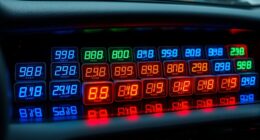
As winter weather becomes more challenging, many drivers face the choice between investing in specialized winter tires or relying on new tech gadgets to stay safe on icy and snowy roads. While technology offers impressive features like collision alerts and lane departure warnings, nothing replaces the fundamental importance of proper tire maintenance. Maintaining essential tire pressure is vital because cold temperatures cause air to contract, reducing tire pressure and compromising traction. If your tires are underinflated, you risk decreased grip, longer stopping distances, and the danger of tire blowouts. Investing in a good quality tire pressure monitoring system (TPMS) helps you stay aware of any pressure drops, especially during fluctuating winter temperatures. This proactive approach allows you to address issues before they become dangerous, ensuring your tires perform at their best on slick surfaces.
Proper tire pressure is essential for safety during winter driving.
Vehicle sensors are another technological advancement that enhances safety, providing real-time data about your vehicle’s condition. These sensors can alert you to problems like low tire pressure, brake issues, or even icy road conditions, often more quickly than manual checks. However, sensors are only as good as the data they receive. If your tires aren’t properly inflated, sensors might give false readings or fail to alert you in time. This highlights the importance of combining sensor technology with physical checks—simply relying on your vehicle’s sensors isn’t enough. Ensuring your tires are in good shape, properly inflated, and suitable for winter conditions remains the foundation of safe driving.
Winter tires, with their specialized rubber compounds and tread patterns, provide superior traction on snow and ice that tech gadgets alone can’t replicate. They grip the road better, reducing the likelihood of slipping and skidding. While advanced vehicle sensors can help you react faster to hazards, they don’t improve your vehicle’s grip or braking on icy roads. Without proper tires, even the most sophisticated safety tech can’t prevent accidents. For ultimate winter safety, you should prioritize installing quality winter tires and regularly checking tire pressure. Combining this with the latest vehicle sensor technology creates a layered defense—your tires handle traction, and sensors alert you to potential issues. Additionally, proper tire maintenance is essential for ensuring that all safety features work effectively in winter conditions.
In the end, technology enhances safety, but it can’t replace the fundamental need for well-maintained tires. Proper tire pressure and reliable sensors are vital, but they work best when paired with the right tires for winter. By focusing on these basics first, you ensure that your vehicle is truly prepared for winter’s hazards, making your driving safer and more confident on icy, snowy roads.
As an affiliate, we earn on qualifying purchases.
Frequently Asked Questions
Can Tech Gadgets Improve Driving Safety as Effectively as Winter Tires?
Tech gadgets can’t improve driving safety as effectively as winter tires because they often focus on vehicle automation and driver distraction mitigation rather than addressing actual road conditions. Winter tires provide better traction on snow and ice, reducing accidents directly. While tech gadgets can assist, they can’t replace the essential benefit of specialized tires in winter. Staying attentive and using proper tires remains your best defense against winter hazards.
Are There Any Legal Requirements for Winter Tires in Different Regions?
Think of regional regulations as your winter safety map. You need to know if tire mandates require winter tires in your area, as laws vary widely. Some regions legally mandate winter tires during certain months, while others leave it to personal discretion. Always check your local laws to stay compliant, because ignoring tire mandates can lead to fines or unsafe driving conditions. Staying informed keeps your winter journey smooth and secure.
How Do Winter Tires Perform on Ice Compared to Snow?
Winter tires perform better on ice than snow, thanks to their specialized rubber compounds and tread patterns. Studies on ice traction show you get improved grip and safety, especially during sudden stops. While snow tires are durable, they may wear faster on icy surfaces. You’ll notice that winter tires provide consistent traction on ice, making your drive safer, even if they’re not as optimized for snow as dedicated snow tires.
Do Tech Gizmos Require Regular Updates to Remain Effective?
Yes, tech gizmos need regular updates to stay effective. You should perform software maintenance and install firmware updates as recommended by the manufacturer. These updates fix bugs, improve functionality, and enhance safety features, ensuring your devices work reliably in winter conditions. Neglecting updates can leave your tech vulnerable or less efficient, so make it a habit to check for updates regularly to keep your gizmos performing at their best during winter.
Can Combining Winter Tires and Tech Gadgets Maximize Winter Safety?
Yes, combining winter tires and tech gadgets can maximize your winter safety. Regular vehicle maintenance guarantees both are functioning properly, while tech gadgets like GPS or emergency alerts enhance your preparedness for unexpected situations. This combo helps you stay secure on icy roads and quick to respond in emergencies. Prioritizing both aspects means you’re better equipped for winter driving, reducing risks and keeping you safer throughout the season.
tire pressure monitoring system TPMS
As an affiliate, we earn on qualifying purchases.
As an affiliate, we earn on qualifying purchases.
Conclusion
Ultimately, whether you prioritize winter tires or high-tech gadgets, the key is that you’re prepared. It’s funny how a simple set of tires can make all the difference, just like those unexpected moments when technology saves the day. Sometimes, the best safety comes from trusting what’s tried-and-true while embracing innovation. So, in the end, it’s not just about gear—it’s about your peace of mind, proving that preparation and a little luck can turn a winter drive into a safe journey.
As an affiliate, we earn on qualifying purchases.
As an affiliate, we earn on qualifying purchases.
Fall Picks
fall essentials
As an affiliate, we earn on qualifying purchases.