TL;DR
Listen free for 30 days with Audible
Thousands of audiobooks and originals — cancel anytime.
Start your free trialAs an affiliate, we earn on qualifying purchases.
Researchers propose a smartphone-based driver fatigue alert system for older vehicles lacking built-in safety tech. This method could provide a cost-effective solution for long-commute drivers. Validation is ongoing, but initial tests show promise.
Researchers are developing a smartphone app that detects driver drowsiness by monitoring eye closure and head nod patterns, offering a practical solution for older vehicles lacking built-in safety technology. This approach aims to improve highway safety for long-commute drivers without requiring expensive vehicle upgrades or integrated sensors, making it a potentially widespread aftermarket safety tool.
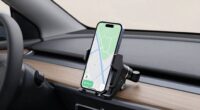
The concept involves using a phone-mounted dashboard app that leverages on-device face-landmark models to estimate eye closure and head movements, which are indicators of drowsiness. When signs of fatigue are detected, the app triggers escalating alerts and prompts the driver to take a break. This method capitalizes on affordable hardware such as dashboard phone mounts and existing face recognition technology, making it accessible for drivers of older cars.
Initial validation involves having twenty long-commute drivers use the app during highway trips over two weeks. The goal is to assess whether alerts fire at genuinely drowsy moments and if drivers find value in paying for such a service, potentially through a subscription model offering shared trip safety summaries.
Experts note that this aftermarket approach could bridge the safety gap for millions of drivers with vehicles that lack built-in fatigue detection systems, which are typically found only in newer models.
Potential Impact on Road Safety for Older Vehicles
This development could significantly improve safety for long-distance drivers of older cars, who currently have no reliable warning systems for drowsiness. By providing an affordable, easy-to-install solution, it may reduce microsleeps and highway crashes caused by driver fatigue. Widespread adoption could lead to fewer fatigue-related accidents, saving lives and reducing insurance costs.
smartphone driver fatigue detection app
As an affiliate, we earn on qualifying purchases.
As an affiliate, we earn on qualifying purchases.
Limitations of Current In-Vehicle Drowsiness Tech
Most modern vehicles now include built-in driver monitoring systems that detect signs of drowsiness using sensors and cameras. However, older vehicles lack this technology, leaving drivers vulnerable to microsleeps and attention lapses. While aftermarket devices exist, they tend to be specialized and expensive, limiting accessibility. The recent availability of face-landmark models on smartphones offers a new, low-cost pathway to address this safety gap, especially for long-commute drivers who spend hours on highways.
“Using smartphones with face-landmark technology offers a practical, scalable way to detect driver fatigue without requiring vehicle modifications.”
— an anonymous researcher
driver drowsiness alert system for older cars
As an affiliate, we earn on qualifying purchases.
As an affiliate, we earn on qualifying purchases.
Uncertainties in Validation and Effectiveness
While initial tests are promising, it remains unclear how accurately the app detects drowsiness in diverse driving conditions. The effectiveness of alerts in real-world scenarios and driver compliance are still under evaluation. Additionally, the long-term reliability of face-landmark detection via smartphones, especially in varying lighting conditions, needs further validation.
dashboard phone mount with face recognition
As an affiliate, we earn on qualifying purchases.
As an affiliate, we earn on qualifying purchases.
Next Steps for Validation and Deployment
The ongoing pilot with twenty drivers will provide data on alert accuracy and user acceptance. If successful, developers plan to refine the app and expand testing to larger driver populations. Further, they aim to explore subscription models and integration with insurance programs. Widespread availability could follow within the next year if validation confirms safety benefits and user engagement.
As an affiliate, we earn on qualifying purchases.
Key Questions
Can this smartphone app replace built-in vehicle fatigue detection systems?
It is designed as a complementary, aftermarket solution for older vehicles lacking built-in tech. While promising, its effectiveness compared to integrated systems is still under evaluation.
How does the app detect driver drowsiness?
The app uses the phone’s camera to monitor eye closure and head nod patterns, which are indicators of fatigue. When signs are detected, it issues alerts and prompts the driver to rest.
Is this system safe and reliable for long highway trips?
Initial testing suggests it can identify drowsiness cues, but comprehensive validation is ongoing. Its safety and reliability in diverse conditions remain to be confirmed.
Will drivers need to pay for this service?
Developers are considering a subscription model, possibly with family or fleet plans, to support ongoing safety monitoring and trip summaries.
When might this technology be widely available?
If validation is successful, a broader rollout could occur within the next year, pending further testing and refinement.
Source: IdeaNavigator AI
Labor Day sales Picks
labor day deals
As an affiliate, we earn on qualifying purchases.