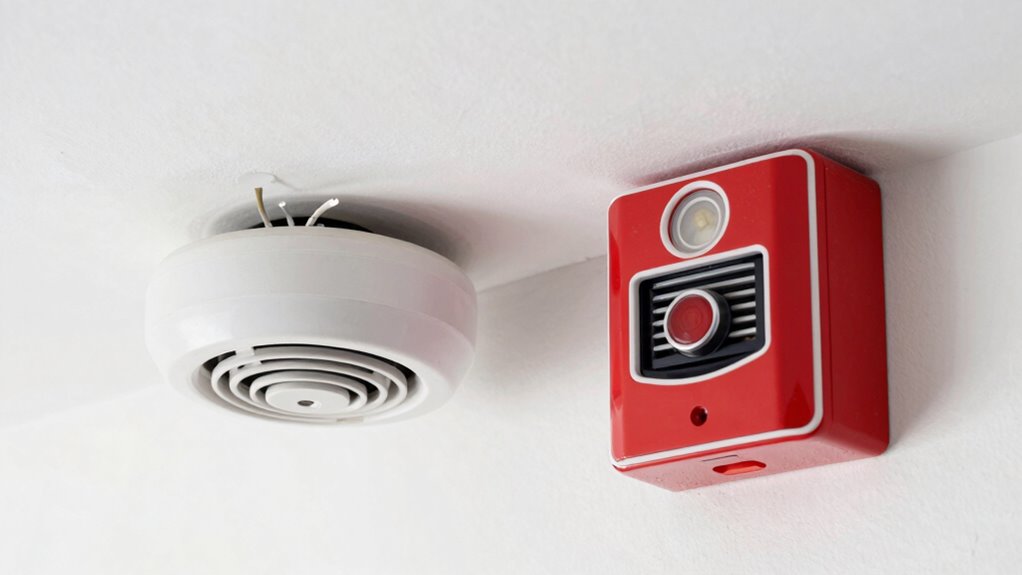

Some safety gadgets can create more risks than they remove if you don’t understand how to use them properly or rely on them too much. Poor design, complicated activation, or discomfort can lead to accidents or misuse. Environmental factors and device failure also pose hazards if you’re not aware of their limits. To stay safe, it’s essential to know how these tools work and their limitations—keep going to discover more about avoiding these pitfalls.
Listen free for 30 days with Audible
Thousands of audiobooks and originals — cancel anytime.
As an affiliate, we earn on qualifying purchases.
Key Takeaways
- Improper training or understanding can cause gadgets to malfunction or be misused, increasing risk during emergencies.
- Poor ergonomic design may lead to accidents or injuries during device handling or use.
- Overreliance on gadgets can cause neglect of other essential safety measures, reducing overall safety.
- Environmental factors and technical limitations can cause device failures, compromising safety when needed most.
- Complex activation processes or unclear instructions delay response times, potentially worsening emergency situations.
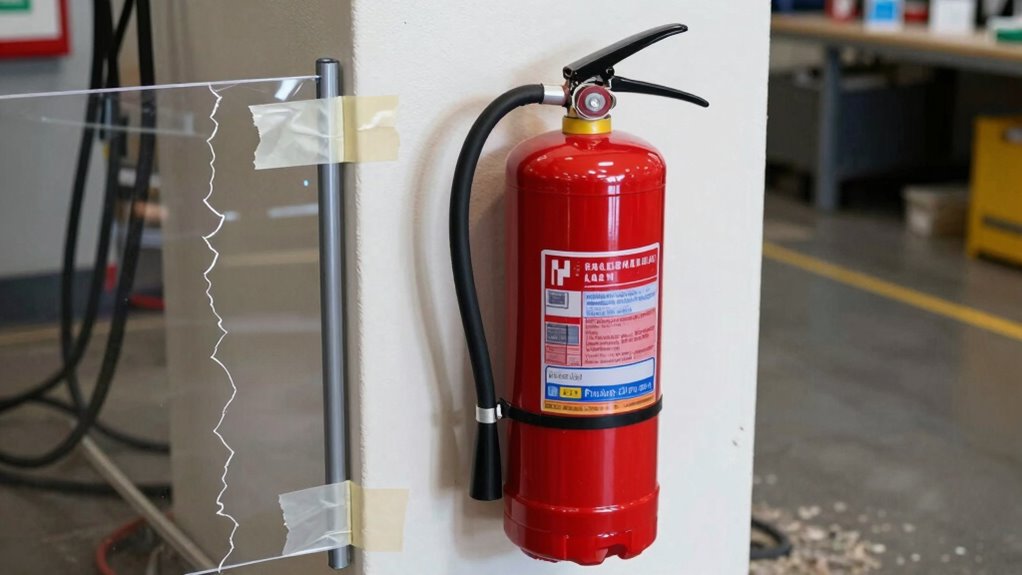
Safety gadgets are designed to reduce risks and protect you from harm, but they aren’t foolproof. While many gadgets aim to enhance your safety, some can inadvertently introduce new dangers if not used properly or if they lack thoughtful design. One reason for this is that safety devices often rely heavily on emergency preparedness. If you don’t understand how to operate a gadget correctly or aren’t trained to respond in an emergency, it can become a liability rather than a safeguard. For example, an emergency alarm system that’s complicated to activate might delay your response during a crisis, increasing your risk instead of decreasing it. Proper training and clear instructions are crucial to ensure these gadgets serve their purpose effectively.
Another factor that can turn safety gadgets into hazards is poor ergonomic design. When gadgets aren’t designed with your comfort and usability in mind, they can cause accidents or injuries. For instance, a safety helmet that fits poorly might fall off during a fall or sudden movement, leaving your head unprotected. Similarly, safety tools with poorly placed buttons or awkward handles can lead to slips or mishandling, especially during stressful situations. Ergonomic design is essential to ensure that safety gadgets are intuitive and easy to use, reducing the chances of user error. If a device feels uncomfortable or complicated, you’re less likely to use it correctly, which defeats the purpose of having safety equipment in the first place. Additionally, design considerations in safety gadgets are vital to ensure they are both effective and user-friendly.
Sometimes, safety gadgets give a false sense of security. You might assume that wearing a safety gadget means you’re fully protected, but that isn’t always the case. Overreliance on a device can lead you to neglect other critical safety measures, like proper caution or situational awareness. For example, a wearable GPS tracker might help rescuers locate you, but it won’t prevent you from falling or getting injured in the first place. Relying solely on gadgets without understanding their limitations can increase your overall risk. Additionally, technological limitations in some safety devices may cause them to fail unexpectedly, especially in challenging environments or during power outages. Recognizing the importance of comprehensive safety practices, including proper maintenance of your gadgets, can help prevent unexpected failures. Being aware of potential device failures can help you prepare better and avoid placing complete trust in any single safety solution.

SAFEBUILDER ABS Work-at-Height and Rescue Hard Hat Construction Safety Helmet Slotted Ventilated w/Adjustable Ratchet 6-Point Suspension ANSI Z89.1-14 (01-White Safety Helmet)
- Comfortable Fit: Adjustable head size 53-63cm with 6-point suspension
- Secure Fit: Y-type chinstrap keeps helmet fixed
- Humanized Design: Adjustable shell for better fit and comfort
As an affiliate, we earn on qualifying purchases.
As an affiliate, we earn on qualifying purchases.
Frequently Asked Questions
How Do Safety Gadgets Influence User Behavior and Risk Perception?
Safety gadgets can influence your behavior and risk perception by encouraging complacency, making you believe you’re safer than you actually are. This can lead to risk compensation, where you take more chances because of the perceived safety. As a result, you might underestimate dangers and engage in riskier actions, which can ironically increase your chances of harm rather than reduce it. Always stay alert, even when equipped with safety devices.
Are There Specific Safety Gadgets That Tend to Backfire More Often?
Certain safety gadgets, like seatbelt alarms or anti-lock brakes, tend to backfire more often because they can create a false sense of security. When you rely heavily on these devices, the overreliance effect kicks in, making you less cautious. This false sense of safety may lead you to take greater risks, believing you’re protected, which can inadvertently increase the chances of accidents rather than prevent them.
How Can Safety Gadgets Be Designed to Minimize Unintended Risks?
You can minimize unintended risks by focusing on ergonomic design, making safety gadgets intuitive and comfortable, so users don’t bypass or misuse them. But beware—overconfidence from complacency might lead you to neglect proper use. To truly enhance safety, anticipate human error, incorporate fail-safes, and regularly review gadgets for flaws. When designed thoughtfully, safety devices protect without creating new dangers, keeping you secure without surprises.
What Role Does User Training Play in Safety Gadget Effectiveness?
User training plays a vital role in safety gadget effectiveness by ensuring you understand how to use them properly, which boosts user compliance and reduces gadget dependency. When you’re well-trained, you’re less likely to misuse or overlook safety features, minimizing risks. Proper training also helps you recognize limitations, preventing overreliance on gadgets alone. Ultimately, informed users contribute to a safer environment, making safety gadgets more effective and less risky.
Can Safety Gadgets Ever Replace Proper Safety Protocols?
You might think safety gadgets can replace proper protocols, but research shows risk compensation and gadget dependency often lead to complacency. While gadgets enhance safety, they can’t substitute for thorough safety protocols. Relying solely on gadgets may give a false sense of security, increasing risk. Proper training and adherence to protocols remain essential, as gadgets are tools that support, not replace, fundamental safety practices.

Exit Door Alarm with 110dB Siren, Emergency Exit Security Device, Easy Installation, Battery Powered, Magnetic Sensor for Unauthorized Entry Prevention, Home, Warehouse, Office, Retail Use
- Loud 110dB Siren: Instant alert for unauthorized entry
- Wire-Free Installation: Easy setup with included hardware
- Versatile Design: Suitable for various locations
As an affiliate, we earn on qualifying purchases.
As an affiliate, we earn on qualifying purchases.
Conclusion
As you walk into the dimly lit garage, a safety gadget flickers to life, accidentally tripping a loose wire. Sometimes, the very devices meant to protect you become the unseen hazards lurking in the shadows. Just like the misplaced tool that slips from your grasp, safety gadgets can create risks when you least expect it. Remember, safety isn’t just about gadgets—it’s about awareness. Stay alert, and you’ll navigate these hazards safely, even when coincidence seems to play its part.

GPS Tracker for Kids, Real-Time GPS Tracking Device for Kids
- No Subscription or SIM Needed: Real-time GPS updates via Apple Find My
- Compact and Discreet Design: Small, lightweight, secure attachment for kids
- Child-Safe and Durable: IP68 waterproof, tamper-resistant, safe for all weather
As an affiliate, we earn on qualifying purchases.
As an affiliate, we earn on qualifying purchases.

Burglabar 4 Pack for Sliding Patio Door Locks and Sliding Windows.
- Enhanced Home Security: Adds security to patio doors and windows
- Tool-Free Installation: Easy to install without tools
- Discreet Design: Crystal-clear, blends with glass
As an affiliate, we earn on qualifying purchases.
As an affiliate, we earn on qualifying purchases.
Grilling season Picks
grills
As an affiliate, we earn on qualifying purchases.