Older cars are safer than many think, especially when you keep up with regular maintenance and add modern safety tech. Simple upgrades like backup cameras, collision warning systems, and reinforced door beams can dramatically boost your vehicle’s safety. Proper upkeep guarantees safety features work effectively, giving you peace of mind. If you’re curious about how to make your older car safer and level the playing field, there’s more to explore below.
Key Takeaways
- Proper maintenance of older vehicles ensures safety features perform correctly, maintaining high safety standards despite age.
- Upgrading crashworthiness with aftermarket safety features like side airbags and reinforced door beams improves older car safety ratings.
- Installing modern safety tech such as backup cameras and ADAS enhances visibility and collision prevention in older vehicles.
- Combining regular maintenance with safety upgrades creates a layered defense, making older cars safer and more reliable.
- Knowledge of crash test results and targeted upgrades can significantly level the safety field between older and newer vehicles.

If you own an older car, upgrading its safety features and technology can substantially improve both your driving experience and peace of mind. Many drivers assume that older vehicles are inherently less safe, but with the right updates, you can close the gap considerably. The key is to focus on vital areas like vehicle maintenance and understanding crash testing results. Regular vehicle maintenance ensures your car functions at its best, which is essential for safety. This means checking brakes, tires, lights, and steering components regularly, as worn parts can compromise safety just as much as outdated technology. Proper maintenance not only prevents accidents but also ensures that safety features, whether original or added, perform as intended.
Upgrading safety features and maintaining your older car boosts safety and peace of mind.
When it comes to crash testing, older cars often score differently compared to newer models equipped with modern safety tech. However, crash test results from organizations like the IIHS or NHTSA provide valuable insights into how your vehicle performs in various collision scenarios. Knowing your car’s crashworthiness can help you decide which upgrades are most impactful. For example, if your car scored poorly in side-impact tests, adding side airbags or reinforced door beams can make a real difference. Even if your vehicle pre-dates these safety standards, aftermarket upgrades can help level the field. Additionally, understanding vehicle safety ratings can guide your upgrade choices and priorities.
Technology upgrades are more accessible than ever and can greatly enhance your vehicle’s safety profile. Installing backup cameras, for instance, improves rear visibility and reduces blind spots, which is especially beneficial if your car lacks modern driver-assist features. Advanced driver-assistance systems (ADAS), like collision warning and automatic emergency braking, are increasingly available as aftermarket options, and they can help prevent accidents before they happen. These innovations work alongside your vehicle’s existing safety features, creating a layered defense system that enhances overall safety.
Furthermore, upgrading safety tech doesn’t mean you have to overhaul your entire car. Many affordable options exist that can be integrated into older vehicles without extensive modifications. Just ensure you choose reputable products and have them installed professionally to guarantee they work correctly and reliably. Combining these tech upgrades with consistent vehicle maintenance and a good understanding of crash testing results allows you to transform an older car into a much safer ride. This approach not only improves your safety but also boosts your confidence on the road, proving that age doesn’t have to mean vulnerability when you’re proactive about upgrades.
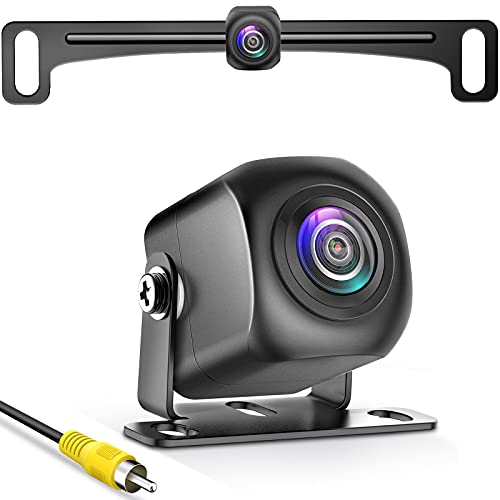
PixelMan Backup Camera,AHD 1080P Metal 170 Degree Wide Angle Rearview Reversing Camera,PMD2A-S Clear Night Vision IP69 Waterproof Reverse Rear View Camera for Car Vehicle SUV RV
【Continuous Upgraded 1080P AHD Backup Camera】After launching three car backup cameras, PixelMan further upgrade and launch the new…
As an affiliate, we earn on qualifying purchases.
As an affiliate, we earn on qualifying purchases.
Frequently Asked Questions
Can Older Cars Meet Current Safety Standards?
Older cars can meet current safety standards with the right upgrades, but they often need modifications to conform to vehicle emission standards and classic car regulations. You might add modern brakes, airbags, or seat belts to improve safety, and upgrade emissions systems to reduce pollution. While some older models can be brought up to today’s safety expectations, it’s essential to verify local regulations and ensure all modifications are legal and effective.
What Are the Most Affordable Tech Upgrades for Older Vehicles?
Did you know that adding aftermarket sensors can boost your car’s safety without breaking the bank? The most affordable tech upgrades include installing aftermarket sensors and affordable alarms, which enhance security and alert you to potential hazards. These upgrades are simple, cost-effective ways to modernize your older vehicle, making it safer and more reliable. With these upgrades, you can enjoy peace of mind without spending a fortune.
Do Insurance Rates Decrease With Safety Upgrades on Older Cars?
Yes, insurance rates often decrease with safety upgrades on older cars because these improvements reduce the risk of accidents and injuries. You can qualify for insurance discounts by installing features like backup cameras, auto-braking systems, or collision avoidance tech. These upgrade benefits make your vehicle safer, which insurers recognize, potentially lowering your premiums and giving you peace of mind on the road.
How Reliable Are Modern Safety Features in Vintage Cars?
Modern safety features in vintage cars are quite reliable, thanks to advancements in classic durability and vintage technology. You can trust that upgrades like modern brakes, airbags, and stability control integrate well, enhancing safety without compromising the car’s integrity. These enhancements are tested for longevity and performance, giving you confidence in their reliability. With proper installation and maintenance, you’ll find that vintage technology now offers safety levels comparable to newer vehicles.
Are There Any Legal Restrictions on Installing Certain Tech in Older Vehicles?
They say, “Knowledge is power,” and that applies to installing tech in older cars. Legally, there are restrictions on certain tech installation, especially if it affects vehicle safety or emissions. Before upgrading, check local laws and regulations, as some modifications might require approval or could void your vehicle’s insurance. Staying informed guarantees you can enjoy modern safety features without running afoul of legal restrictions.

Car Lane Departure Warning Assist System LED Projection Light Anti-Collision Car Safety Driving Universal for Cars Truck
Made of ABS,lightweight,mini size,portable.
As an affiliate, we earn on qualifying purchases.
As an affiliate, we earn on qualifying purchases.
Conclusion
Don’t count older cars out just yet. With the right safety and tech upgrades, they can hold their own on the road. It’s a classic case of don’t judge a book by its cover—you might be surprised by how much these vehicles can offer. By investing a little time and effort, you can turn your trusty old ride into a safer, smarter car. Sometimes, it’s all about giving something a second wind!

LivTee 5 pcs Auto Trim Removal Tool Kit, No Scratch Plastic Pry Tool Kit – Interior Door Panel Clip Fastener Removal Set for Vehicle Dash Radio Audio Installer, Automotive Accessories(Red)
【Full Toolkit】Not just a basic pry kit—Includes 4 pry tools + 1 clip remover — designed for dashboards,…
As an affiliate, we earn on qualifying purchases.
As an affiliate, we earn on qualifying purchases.

Universal Car Rear Suspension Spring Airbag for Sedans SUV Off-Road Vehicle
Compatible with Models: Fit for Sedans SUV Off-Road Vehicle Noise Reduction System
As an affiliate, we earn on qualifying purchases.
As an affiliate, we earn on qualifying purchases.