
To match safety tech to your driving style, first consider how you drive—whether you’re cautious or aggressive. Look for features that support your habits, like active monitoring for unpredictable driving or adaptive systems for steady routines. Modern safety tech works best when integrated smoothly and tailored to your behavior, so choose systems that learn from and adapt to your habits. Keep exploring, and you’ll discover how to optimize your safety tech for your unique driving approach.

Get business pricing on garage and car supplies
- Business-only prices and quantity discounts
- Tax-exempt purchasing
- Multiple users, one account, clear invoices
Key Takeaways
- Assess your driving style to identify whether you’re cautious, aggressive, or distracted, guiding suitable safety feature choices.
- Prioritize integrated safety systems that communicate seamlessly for comprehensive protection aligned with your habits.
- Select adaptive safety technologies that learn from and respond to your specific driving behaviors over time.
- Match safety features to your risk profile, such as active interventions for distracted driving or alert warnings for vigilant drivers.
- Customize safety settings to fit your driving patterns, ensuring support feels natural and enhances overall safety.
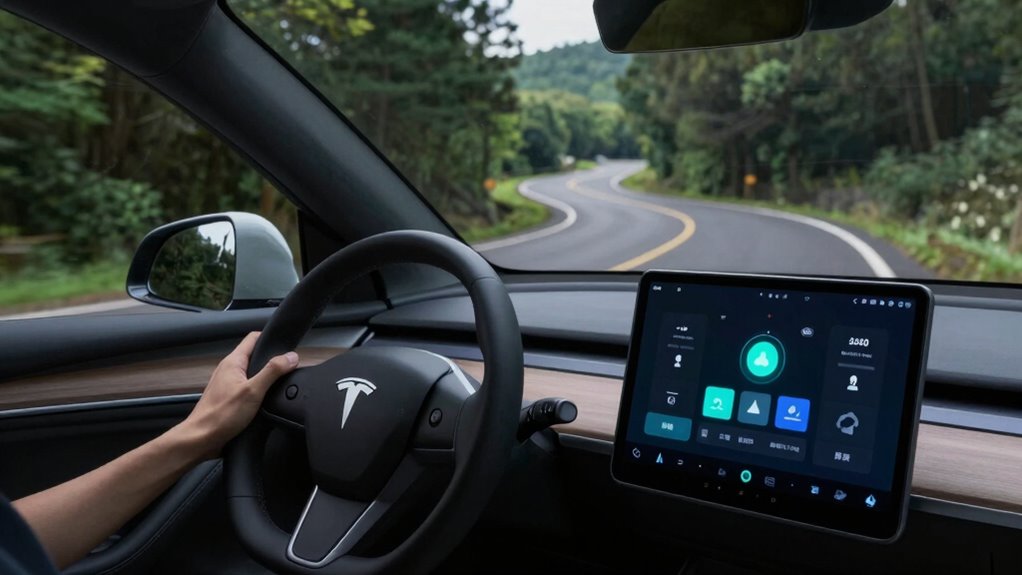
When it comes to choosing safety technology for your vehicle, understanding your driving style is essential. Your driver behavior—how you accelerate, brake, steer, and respond to road conditions—plays a crucial role in determining which safety features will benefit you most. If you’re someone who tends to drive aggressively or frequently encounters unpredictable traffic, you’ll want tech that actively monitors and reacts to your habits. Conversely, if you’re a cautious driver who prefers smooth, steady driving, different safety tools may serve you better. Recognizing these nuances helps you select technology that complements your natural tendencies rather than fighting against them.
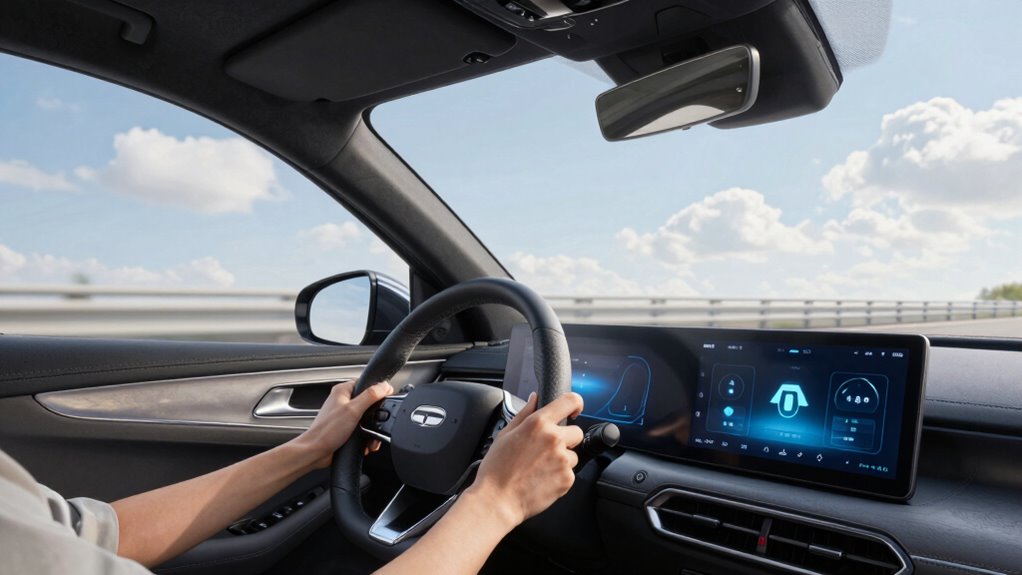
Technology integration is another key factor to consider. Modern safety features aren’t standalone gadgets; they’re part of a connected system designed to work seamlessly together. For example, lane departure warnings, adaptive cruise control, and automatic emergency braking often rely on sensors and software that communicate with each other. When choosing safety tech, look for systems that are designed to integrate smoothly, providing a cohesive safety net rather than disjointed features that might overwhelm or distract you. The goal is to find solutions that enhance your driving without complicating it.
Your driver behavior also influences the level of automation you might prefer. If you tend to be a vigilant driver who stays attentive, you might opt for driver-assist features that offer warnings and support but still leave you in control. On the other hand, if you sometimes find yourself distracted or prone to fatigue, more active safety systems—like automatic emergency braking or collision avoidance—can intervene to prevent accidents. Understanding your tendencies ensures you choose safety tech aligned with your comfort level and driving habits. Additionally, driver behavior analysis can help you identify patterns that may influence the effectiveness of certain safety features. Furthermore, selecting systems that match your risk profile can enhance overall safety.
Incorporating technology that adapts to your driving style can make a significant difference. Many newer systems learn from your behavior and adjust their responses accordingly. For instance, if you often switch lanes quickly, adaptive blind-spot monitoring can become more sensitive, alerting you more proactively. If you prefer a relaxed cruise, adaptive cruise control can maintain a gentle following distance, reducing your cognitive load. By selecting features that adapt to your driver behavior, you create a safety system that feels natural and enhances your confidence behind the wheel. Additionally, behavioral adaptation plays a vital role in customizing safety responses to suit individual driving tendencies. Recognizing your driving habits can help you tailor safety features that support your unique style, making your driving experience safer and more comfortable.
As an affiliate, we earn on qualifying purchases.
Frequently Asked Questions
How Do Safety Tech Features Impact Insurance Premiums?
Safety tech features can lower your insurance premiums because they improve risk assessment for insurers. When you install advanced safety tech, insurers often offer discounts, recognizing you’re less likely to be involved in accidents. These features demonstrate responsible driving and reduce potential claims. As a result, your premiums may decrease over time, making safety tech a smart investment both for your safety and your wallet.
Are Safety Technologies Compatible With All Vehicle Makes and Models?
Safety technologies are like puzzle pieces—you’ll find some fit better than others. Compatibility varies with vehicle make and model, so not all safety features seamlessly integrate across all cars. Before upgrading, check vehicle compatibility and guarantee proper technology integration. This way, you avoid installing tech that’s out of place or ineffective, helping your safety features work smoothly and giving you peace of mind on every drive.
Can Safety Tech Be Customized for Different Driving Conditions?
Yes, safety tech can be customized for different driving conditions. You can set personalized alerts and adaptive settings to suit your environment, whether you’re driving in heavy rain, fog, or city traffic. Many advanced systems allow you to adjust sensitivity levels or enable specific features based on your needs. This customization helps improve safety, making sure the technology works *best* for your unique driving situations.
What Maintenance Is Required for Advanced Safety Systems?
Did you know that improper maintenance can reduce safety system effectiveness by up to 50%? You need to regularly perform sensor calibration to guarantee your safety tech functions accurately. Additionally, system updates are crucial—they fix bugs and improve performance. Keep an eye on your vehicle’s manual for specific maintenance intervals, and schedule professional checks to keep your advanced safety systems reliable, so they protect you when you need them most.
Do Safety Features Work Equally Well for All Drivers?
Safety features don’t work equally well for all drivers because driver behavior impacts their effectiveness. If you tend to be distracted or aggressive, tech limitations might reduce safety benefits. To maximize these systems, you need to stay attentive and follow recommended driving practices. Remember, safety tech is meant to assist, not replace, responsible driving. Understanding your habits helps you choose features that complement your driving style and improve overall safety.
vehicle collision avoidance systems
As an affiliate, we earn on qualifying purchases.
As an affiliate, we earn on qualifying purchases.
Conclusion
By selecting safety tech that syncs with your driving style, you’re crafting a shield as unique as your fingerprint. Think of these features as trusted co-pilots guiding you safely through every journey. When you choose wisely, you’re not just protecting yourself—you’re weaving a safety net that catches you before a fall. Remember, the right tech isn’t just a gadget; it’s a partner that adapts to your rhythm, keeping your road ahead clear and secure.
As an affiliate, we earn on qualifying purchases.
automatic emergency braking devices
As an affiliate, we earn on qualifying purchases.
As an affiliate, we earn on qualifying purchases.
Fall Picks
fall essentials
As an affiliate, we earn on qualifying purchases.