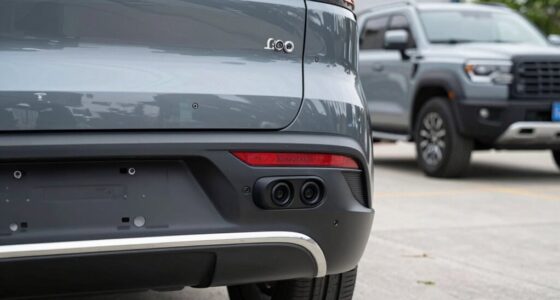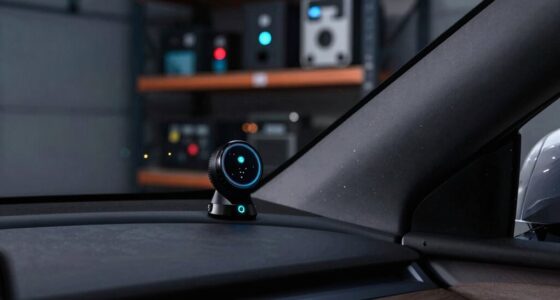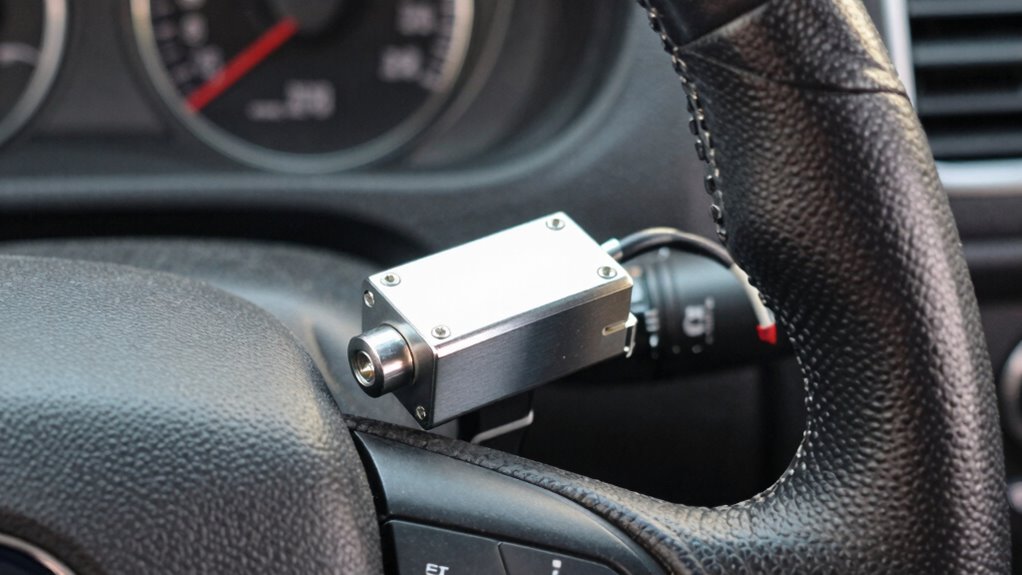

Before trusting any aftermarket safety device, you should verify it meets all relevant standards and has proper certifications from recognized authorities like UL or NHTSA. Check reviews and independent tests to confirm its effectiveness and compatibility with your vehicle. Make certain the manufacturer offers solid support and warranties, and that the product has undergone rigorous safety testing. Taking these steps helps ensure your safety devices are reliable and compliant—keep going to discover more essential tips.

Get garage and car supplies delivered free — and shop member deals
- Fast, free delivery on millions of items
- Access to Prime Big Deal Days deals on October 6–7
- Prime Video, Amazon Music and more included
Key Takeaways
- Verify the device’s compliance with relevant safety standards and certifications from recognized authorities.
- Research user reviews and independent testing to assess reliability and long-term durability.
- Ensure proper installation by following manufacturer instructions or consulting professionals.
- Confirm the device fits your specific vehicle or equipment to maintain safety and effectiveness.
- Check the manufacturer’s support, warranty, and safety testing credentials before trusting the product.
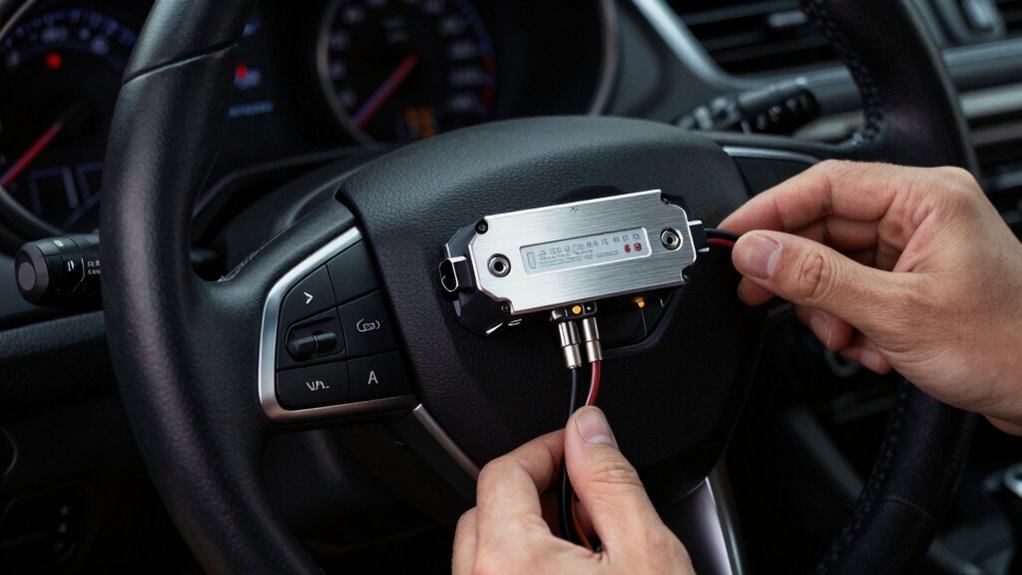
When considering any aftermarket safety device, it’s essential to verify its reliability and effectiveness before trusting it with your safety. The first step is to thoroughly understand the installation procedures. Proper installation is critical because even the most advanced safety device can fail if it’s not installed correctly. Look for detailed instructions from the manufacturer, and verify that you have the necessary tools and expertise to follow them precisely. If you’re unsure about the installation process, consider consulting a professional to ensure everything is set up properly. Skipping or rushing through installation can lead to malfunction or reduced safety performance, which defeats the purpose of installing the device in the first place.
Ensuring proper installation is crucial to prevent safety device failure and maximize effectiveness.
Next, you need to confirm that the safety device complies with all relevant regulations and standards. Regulatory compliance isn’t just about legality; it’s a marker of quality and reliability. Check whether the device has certifications from recognized authorities such as the National Highway Traffic Safety Administration (NHTSA), Underwriters Laboratories (UL), or other relevant bodies in your country. These certifications mean the device has undergone rigorous testing and meets established safety standards. Non-compliant products may not only be ineffective but could also pose safety risks in emergency situations. Always ask for proof of compliance or certifications from the manufacturer before making a purchase.
Beyond installation procedures and regulatory compliance, it’s wise to research the device’s track record. Read reviews from other users, and seek out independent testing results if available. A device that’s widely recommended by safety experts or has been tested in real-world conditions tends to be more trustworthy. Don’t forget to verify that the device is compatible with your specific vehicle or equipment. An aftermarket safety device that doesn’t fit properly or isn’t designed for your application can compromise safety rather than enhance it. Additionally, understanding the color accuracy of related visual components can sometimes impact how well safety indicators are perceived in certain settings. It’s also helpful to consider reliability testing, performance data, and real-world results to better assess long-term durability.
Finally, consider the manufacturer’s support and warranty policies. Reliable manufacturers will offer clear instructions, responsive customer service, and warranties that protect your investment. If you encounter issues during installation or operation, you’ll want prompt assistance to avoid jeopardizing your safety. It’s also beneficial to review the manufacturer’s quality control processes, as these can significantly influence the overall dependability of the product. When evaluating safety devices, it’s crucial to also check for testing and certification to ensure the device has been properly evaluated for safety standards. Overall, taking the time to verify installation procedures, regulatory compliance, and the credibility of the product can save you from potential dangers and ensure you’re genuinely protected when it matters most.
vehicle safety device certification
As an affiliate, we earn on qualifying purchases.
As an affiliate, we earn on qualifying purchases.
Frequently Asked Questions
Are Aftermarket Safety Devices Legally Approved in My Region?
You should verify if the aftermarket safety device is legally approved in your region by checking regional regulations and approval standards. Laws vary widely, so consult local transportation authorities or official government websites to confirm if the device meets the necessary safety and compliance requirements. Don’t rely solely on manufacturer claims; guarantee the device has proper certification to avoid legal issues and ensure your safety on the road.
How Do Warranty Policies Affect Aftermarket Safety Device Reliability?
They say “you get what you pay for,” and warranty policies reflect manufacturer confidence. When you review warranty terms, you gauge the reliability of an aftermarket safety device, knowing if issues are covered. A reputable manufacturer stands behind their product, offering solid warranty coverage. This reassures you that, despite being aftermarket, the device’s performance and safety are dependable, giving you peace of mind on the road.
Can Installation Errors Compromise the Safety Device’s Effectiveness?
Yes, installation errors can seriously compromise the safety device’s effectiveness. When you make mistakes during installation, the device may not function as intended, which could lead to safety risks. Always double-check the manufacturer’s instructions and consider having a professional install the device to guarantee proper setup. Correct installation is vital to maintain the reliability and safety performance of any aftermarket safety device.
What Are the Typical Signs of a Malfunctioning Aftermarket Safety Device?
You might notice false safety claims or counterfeit components if your aftermarket safety device malfunctions. Signs include inconsistent operation, warning lights, or alarms that trigger unexpectedly. You could also experience mechanical failures or unexpected behavior during use. Don’t ignore these signs—they often indicate the device isn’t genuine or properly installed. Always verify the authenticity and proper installation to guarantee your safety isn’t compromised by false claims or counterfeit parts.
How Does the Cost Compare Between Original and Aftermarket Safety Devices?
You’ll find that the cost comparison between original and aftermarket safety devices often favors aftermarket options, which tend to have lower price differences. Original equipment manufacturer (OEM) parts usually cost more due to brand and quality assurance, while aftermarket devices can be more affordable yet still meet safety standards. However, always consider quality and reliability alongside price differences to make certain you’re not sacrificing safety for savings.
aftermarket car safety devices reviews
As an affiliate, we earn on qualifying purchases.
As an affiliate, we earn on qualifying purchases.
Conclusion
So, the next time you’re considering an aftermarket safety device, remember to check its certification, reviews, and compatibility. It’s no coincidence that thorough research often leads to peace of mind, just like a well-timed safety feature can. Trust your instincts, verify details, and stay informed—because safety isn’t something you want to leave to chance. After all, in safety as in life, a little preparation can make all the difference.
As an affiliate, we earn on qualifying purchases.
car safety device installation kit
As an affiliate, we earn on qualifying purchases.
As an affiliate, we earn on qualifying purchases.
Halloween Picks
halloween
As an affiliate, we earn on qualifying purchases.