
If your driver-aid displays are poorly placed, they can divert your focus from the road, causing visual distraction during critical moments. This increases reaction times and makes it harder to interpret important signals quickly. Cluttered screens and alerts add to your cognitive load, leading to confusion and fatigue. Proper positioning and thoughtful design are essential for safety, helping you stay alert and in control. Keep going to uncover how to optimize your display setup for better safety.

Get business pricing on garage and car supplies
- Business-only prices and quantity discounts
- Tax-exempt purchasing
- Multiple users, one account, clear invoices
Key Takeaways
- Poor placement causes visual distraction, diverting drivers’ attention from the road during critical moments.
- Cluttered displays increase cognitive overload, leading to confusion and slower reaction times.
- Improperly positioned screens require drivers to shift focus, compromising vehicle control and safety.
- Visual noise from poorly placed displays contributes to driver fatigue and reduces alertness.
- Proper ergonomic placement minimizes distraction, supporting quicker access to information and enhancing safety.

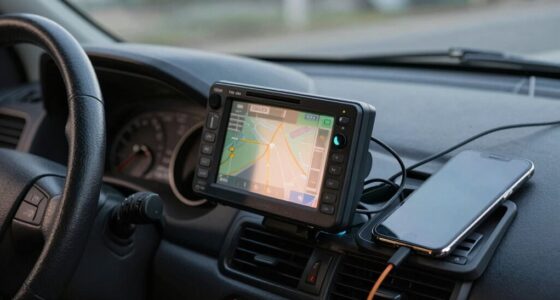
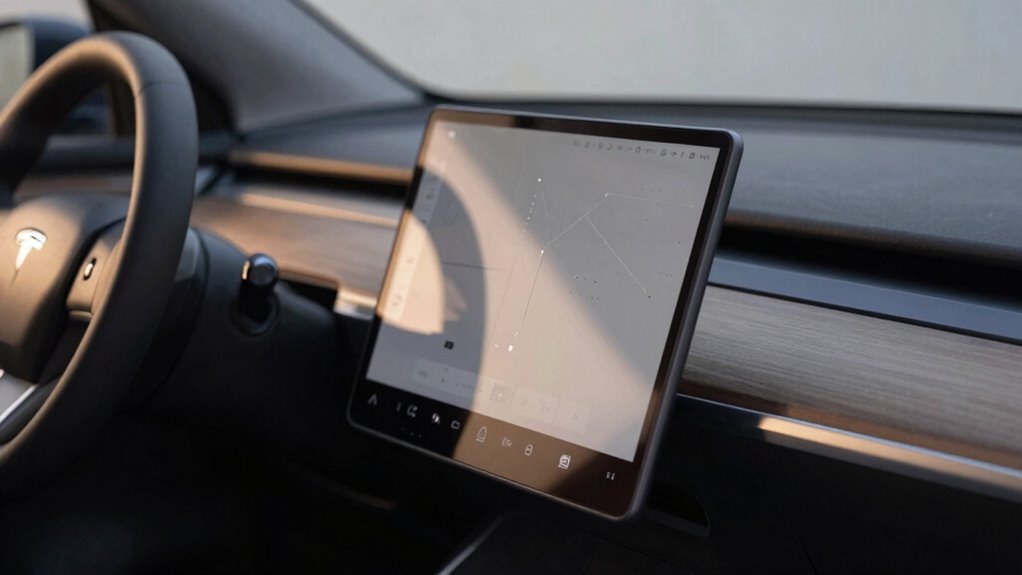
Despite their growing presence in vehicles, poorly placed driver-aid displays pose a hidden danger that many drivers overlook. When these screens are positioned poorly, they can become a significant source of driver distraction, pulling your attention away from the road at critical moments. Instead of supporting safe driving, they add unnecessary visual clutter, making it harder to focus on what’s truly important. This distraction isn’t just about glancing at a screen; it’s about how the placement impacts your overall situational awareness. If the display demands your eyes to dart away from the road or requires excessive effort to interpret, it increases the risk of missing essential traffic cues or reacting too late.
Visual clutter is one of the biggest issues with poorly placed driver-aid displays. When multiple screens, icons, or alerts compete for your attention, your brain struggles to prioritize what’s important. This overload can cause confusion or delay your reactions, especially in high-pressure situations. Instead of providing quick, clear information, these displays become a source of noise that hampers your ability to process data efficiently. You might find yourself squinting or shifting your head to see the screen better, which further compromises your control over the vehicle. Over time, this constant visual clutter can lead to fatigue, reducing your overall alertness and increasing the likelihood of mistakes. Recognizing that visual clutter can impair driver performance is crucial for safer vehicle design, especially as more technology becomes integrated into vehicles. Additionally, ergonomic design principles play an important role in reducing these hazards. Ensuring that displays are designed with driver-centered ergonomics can significantly enhance safety and ease of use. Research shows that proper placement and user interface design are essential to minimize cognitive load and improve driver reaction times.
driver aid display ergonomic mount
As an affiliate, we earn on qualifying purchases.
As an affiliate, we earn on qualifying purchases.
Frequently Asked Questions
How Can Driver-Aid Display Placement Be Improved for Safety?
You can improve driver-aid display placement by focusing on ergonomic design and visual ergonomics. Position displays within your natural line of sight to minimize distraction and eye movement. Use clear, simple visuals that are easy to interpret quickly. Adjust height and angle for comfort and accessibility, ensuring they don’t obstruct your view of the road. Prioritizing ergonomic principles reduces strain and enhances safety, making it easier to monitor essential information at a glance.
Are There Specific Vehicle Models With Better Display Positioning?
Ever wondered which vehicles prioritize your safety with better display placement? Many modern cars, especially luxury brands like Volvo, Mercedes-Benz, and Audi, excel in vehicle ergonomics, positioning driver aids within easy view. These designs help maintain driver attention, reducing distraction. By focusing on intuitive layouts, these models guarantee your eyes stay on the road, not on poorly placed screens, ultimately making your driving experience safer and more comfortable.
What Are the Legal Requirements for Driver-Aid Display Placement?
You need to guarantee driver-aid displays meet legal requirements focused on reducing driver distraction and improving visual ergonomics. Regulations typically mandate placement within the driver’s natural line of sight, minimizing the need to look away from the road. Proper positioning helps prevent distraction, reduces eye strain, and enhances safety. Check local laws, as standards vary, but prioritizing ergonomic placement and clear visibility always supports safer driving experiences.
How Do Poorly Placed Displays Affect Driver Fatigue?
Poorly placed displays increase your risk of fatigue by causing visual distraction and raising your cognitive load. When you struggle to quickly interpret information, your mental energy is drained, leading to faster tiredness. This distraction diverts your attention from the road, making you more prone to errors and slower reactions. To stay alert, make sure driver-aid displays are positioned within your natural line of sight, minimizing unnecessary eye movement and mental strain.
Can Adaptive Display Positioning Reduce Accident Rates?
Adaptive display positioning can indeed reduce accident rates by minimizing driver distraction and guaranteeing critical info stays within your natural line of sight. Proper sensor calibration ensures displays adjust smoothly to your eye movements, preventing abrupt shifts that could cause confusion. When displays are well-positioned, you’re less likely to look away or get distracted, keeping your focus on the road and making your driving safer overall.
As an affiliate, we earn on qualifying purchases.
Conclusion
You might think these displays help, but poorly placed ones hinder your focus, compromise your safety, and increase your stress. When you rely on them, you risk distraction, misinterpretation, and delayed reactions. By understanding their hidden pitfalls, you can prioritize your awareness, choose better placement, and drive more confidently. Remember, effective design isn’t just about technology; it’s about protecting yourself, enhancing your awareness, and ensuring your safety on every journey.
vehicle heads-up display positioning
As an affiliate, we earn on qualifying purchases.
As an affiliate, we earn on qualifying purchases.
As an affiliate, we earn on qualifying purchases.
Fall Picks
fall essentials
As an affiliate, we earn on qualifying purchases.