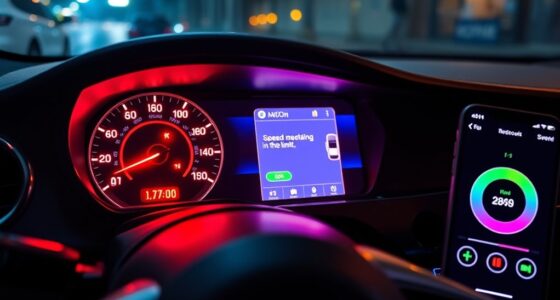

To coordinate a convoy effectively, use GPS devices to track all vehicles in real-time and guarantee everyone stays on route. Pair this with reliable communication tools like radios or messaging apps so you can quickly share updates, alerts, and instructions. This combo keeps your group organized, safe, and flexible when unexpected issues arise. Mastering these tech tips will make your road trip smoother, so stick around for more insights to optimize your convoy experience.
Key Takeaways
- Use GPS tracking apps to monitor all vehicles’ locations and ensure convoy stays on route.
- Equip drivers with reliable communication devices like radios or walkie-talkies for instant coordination.
- Integrate GPS data with communication tools to respond quickly to route changes or unexpected issues.
- Regularly check device battery levels and signal strength to maintain continuous connectivity throughout the trip.
- Share real-time updates and alerts among drivers to enhance safety, organization, and overall convoy efficiency.
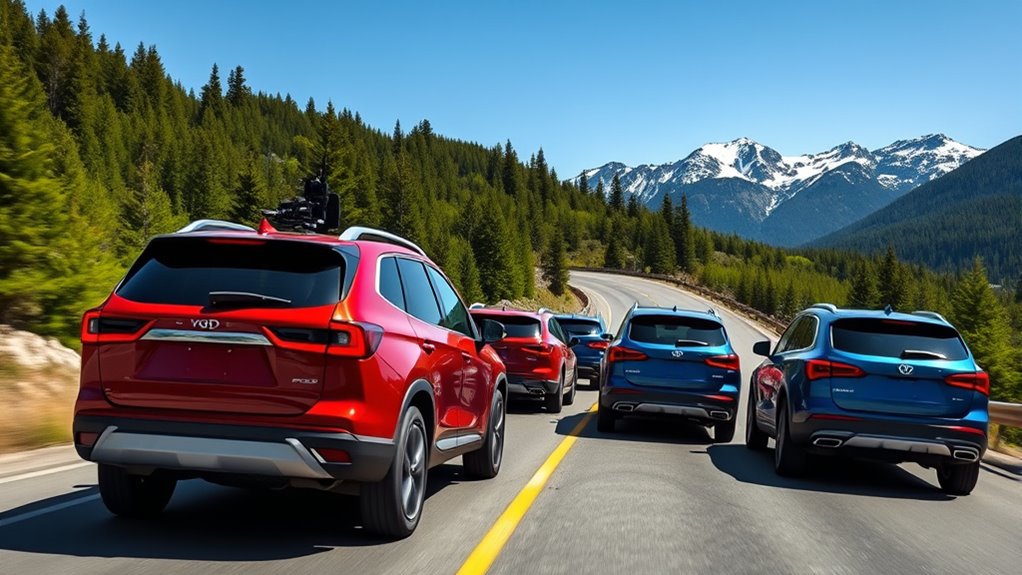
Have you ever wondered how large groups of vehicles move efficiently and safely across long distances? When you’re planning a convoy with multiple cars, staying coordinated can seem intimidating. That’s where technology like GPS tracking and communication devices comes into play. These tools are indispensable for maintaining the flow, guaranteeing everyone stays on the same route, and addressing issues promptly.
GPS tracking devices are game-changers for convoy coordination. They allow you to see real-time locations of all participating vehicles on a map, which is invaluable when managing a group. With GPS, you can monitor each car’s progress, check for unexpected detours or delays, and make quick decisions to keep the convoy moving smoothly. For example, if one vehicle falls behind or encounters a problem, the driver can be pinpointed immediately, and the group can adjust accordingly. GPS tracking also helps prevent vehicles from getting lost or straying off course, especially in unfamiliar or challenging terrains. It’s a proactive way to guarantee everyone stays connected and informed about the convoy’s overall status.
GPS tracking keeps convoy groups connected, ensuring real-time location updates and smooth progress across challenging terrains.
Communication devices are equally important for effective convoy management. Radios, walkie-talkies, or even smartphone communication apps enable instant contact among drivers. Clear, consistent communication helps coordinate turns, stops, and lane changes, reducing confusion and potential accidents. When everyone’s on the same page, you can quickly relay important information—such as upcoming road work, weather hazards, or traffic updates—so that the entire group can respond swiftly. Using reliable communication tools minimizes misunderstandings and keeps the convoy synchronized, even in areas with poor cell service.
Combining GPS tracking with effective communication devices creates a robust system for convoy coordination. For example, while GPS shows you where everyone is, communication devices allow you to give real-time instructions or alerts. This synergy helps manage unexpected situations, like a vehicle needing to pull over for a quick repair or a change in route due to road closures. It also fosters a sense of teamwork, as everyone is aware of what’s happening at all times. Additionally, understanding the contrast ratio of your monitoring or communication tools can influence how well you can see and interpret your surroundings, especially in variable lighting conditions.
In essence, these technological tools aren’t just optional; they’re essential for a successful, safe, and enjoyable road trip with multiple vehicles. They help you stay organized, react quickly to challenges, and guarantee that your convoy reaches its destination smoothly. When you leverage GPS tracking and communication devices, you’re setting your group up for a seamless, well-coordinated journey across long distances.
Frequently Asked Questions
How Do I Choose the Best Communication Devices for Convoy Safety?
You should choose Bluetooth headsets or walkie talkie systems based on your convoy’s size and terrain. Bluetooth headsets are great for clear, hands-free communication within a vehicle, while walkie talkie systems excel for longer distances and group coordination. Make certain devices have good range, clear audio quality, and easy controls. Test them beforehand to confirm compatibility and reliability, so you stay connected safely throughout your trip.
What Are the Legal Considerations for Convoy Driving Across State Lines?
Crossing state lines is like maneuvering a maze of rules; you must guarantee legal compliance to avoid trouble. You’re responsible for understanding each state’s regulations on convoy driving, including permits and communication device requirements. Liability considerations also come into play—if an accident occurs, knowing who’s liable depends on adhering to these laws. Stay informed, plan ahead, and keep documentation handy to keep your convoy on the right side of the law.
How Can I Handle Unexpected Route Changes During a Convoy Trip?
When unexpected route changes occur during your convoy trip, stay calm and communicate quickly with your group. Use your navigation app’s route recalculation feature to find the best alternative. If needed, implement emergency rerouting by following pre-planned backup routes or using real-time traffic updates. Keep everyone informed through group messaging or radio, and make certain your vehicle’s GPS is updated to handle sudden changes smoothly.
What Backup Plans Should I Prepare for Tech Failures?
Like a modern-day Odysseus, you should prepare for tech failures by having emergency contacts on hand and implementing tech redundancy. Keep offline maps, a backup GPS device, and printed route sheets ready. Make certain everyone’s devices are fully charged, and share a communication plan in case apps or networks fail. This way, you’re equipped to navigate challenges smoothly, maintaining safety and coordination even when technology lets you down.
How Do I Coordinate Fueling Stops Efficiently for All Vehicles?
You should plan fueling schedules in advance to keep everyone on the same page. Use a shared app or group chat to coordinate refueling strategies, ensuring you stop together or near each other. Assign a lead driver to monitor fuel levels and suggest stops, so no vehicle runs low unexpectedly. Regularly communicate during the trip, and consider preset stops based on distance, making refueling efficient and preventing delays.
Conclusion
By mastering convoy coordination, you’re basically transforming your road trip into a perfectly synchronized, high-speed ballet across highways. No more chaos, missed turns, or frantic phone calls—just smooth sailing and epic memories. With these tech tips, you’ll be the traffic ninja everyone admires, turning your group into an unstoppable, well-oiled machine. Get ready to dominate the roads and make every mile feel like a parade—because your convoy deserves nothing less than legendary!