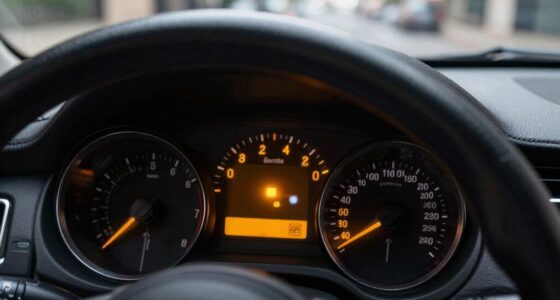
Monitoring your vehicle’s temperature is more crucial than you might think because it directly impacts engine health, safety, and performance. Overheating can cause costly damage, breakdowns, or even fires. Keeping tabs on gauges and coolant levels helps prevent engine failure and guarantees your car runs smoothly and efficiently. Ignoring temperature issues can lead to long-term damage and higher repair costs. Stay informed to protect your vehicle and yourself — there’s more to learn about how to do this effectively.

Get business pricing on garage and car supplies
- Business-only prices and quantity discounts
- Tax-exempt purchasing
- Multiple users, one account, clear invoices
Key Takeaways
- Proper temperature monitoring prevents engine overheating, reducing costly repairs and dangerous breakdowns.
- Maintaining optimal engine temperature ensures vehicle safety and prolongs engine lifespan.
- Regular coolant level checks and system maintenance improve fuel efficiency and lower emissions.
- Dashboard gauges provide real-time alerts, enabling early detection of potential cooling system failures.
- Effective temperature management minimizes fire risks and guarantees reliable vehicle performance over time.

Temperature monitoring plays a essential role in maintaining safety, quality, and efficiency across various industries. When it comes to vehicles, especially, understanding how temperature impacts engine performance is key. If you overlook engine cooling or neglect coolant maintenance, you risk severe engine damage, costly repairs, and even dangerous breakdowns. Keeping a close eye on temperature levels guarantees your engine runs smoothly and reliably, preventing overheating that could lead to engine failure.
Your vehicle’s cooling system is designed to regulate engine temperature by dissipating excess heat generated during operation. If this system isn’t functioning properly—perhaps because of low coolant levels, clogged radiators, or faulty thermostats—you could be heading for trouble. Regular coolant maintenance is essential; it involves checking coolant levels, inspecting for leaks, and replacing old coolant to maintain its effectiveness. When coolant is old or contaminated, it loses its ability to absorb heat efficiently, which can cause the engine to run hotter than it should. Monitoring temperature gauges can alert you to these issues early, giving you the chance to address them before they escalate into major problems. Additionally, understanding the importance of toilet flushing mechanisms and efficiency can help in resource conservation, much like maintaining a vehicle’s cooling system helps preserve its longevity. Proper coolant levels and system checks are crucial to prevent microplastics in dust, which can accumulate and cause blockages or inefficiencies over time.
Regular coolant checks and monitoring prevent overheating and costly engine damage.
Furthermore, staying informed about aviation regulations and best practices in maintenance can help ensure your vehicle remains compliant and safe over its lifespan.
In addition to preventing engine overheating, temperature monitoring helps optimize fuel efficiency. When an engine operates within the correct temperature range, it runs more efficiently, consuming less fuel and reducing emissions. Proper coolant levels are essential for maintaining this optimal temperature, as inadequate coolant can lead to overheating and damage. Conversely, if your engine runs too hot or too cold, it can lead to increased fuel consumption and wear and tear on engine components. As a driver, you might not always feel the subtle signs of temperature imbalance, but your dashboard’s temperature gauge provides critical real-time information. Ignoring these readings can cause long-term damage, shortening your vehicle’s lifespan and increasing maintenance costs. Moreover, the use of analytical cookies in digital environments, like vehicle diagnostics, can help collect data to improve system performance and maintenance scheduling.
Furthermore, temperature monitoring isn’t just about avoiding breakdowns; it’s also about safety. Overheated engines can cause fires or sudden failures that put you and others at risk. By routinely checking your cooling system and paying attention to temperature indicators, you guarantee your vehicle remains safe on the road. Proper coolant maintenance combined with vigilant temperature monitoring provides peace of mind, knowing that your engine is operating within safe parameters.
In essence, understanding and managing engine temperature isn’t just a technical detail—it’s a fundamental aspect of vehicle care that saves you money, enhances safety, and keeps your car running at its best. Staying proactive about coolant maintenance and paying attention to temperature readings can make all the difference in avoiding costly repairs and ensuring dependable performance.
As an affiliate, we earn on qualifying purchases.
Frequently Asked Questions
How Often Should I Check My Vehicle’s Temperature Gauge?
You should check your vehicle’s temperature gauge every time you drive, especially during long trips or hot weather. Keep an eye on coolant levels and radiator efficiency, as they directly impact the gauge’s reading. If the needle rises above normal, stop and inspect for leaks or overheating issues. Regular checks help prevent engine damage, ensuring your vehicle runs smoothly and efficiently.
Can Temperature Fluctuations Cause Long-Term Engine Damage?
Yes, temperature fluctuations can cause long-term engine damage. When your engine overheats, it accelerates engine corrosion and coolant degradation, which can lead to costly repairs. Consistently high or inconsistent temperatures strain engine parts, causing metal parts to warp or crack. Regularly monitoring your temperature gauge helps you catch these fluctuations early, preventing long-term damage and ensuring your engine stays in good shape for years to come.
What Are Signs of Overheating That Drivers Might Overlook?
Imagine your engine whispering, “I’m overheating.” You might overlook subtle signs like a rising temperature gauge or steam from under the hood. Warning indicators can be easy to miss if you’re distracted. Keep an eye on your cooling system’s performance, and don’t ignore the early signs. Ignoring these cues risks severe damage, turning a small issue into a costly repair. Stay vigilant to protect your vehicle’s health.
Are There Specific Areas of the Vehicle That Require Temperature Monitoring?
You should monitor key areas like your engine coolant levels and tire pressure regularly. Ensuring the coolant stays at the right level helps prevent engine overheating, while maintaining proper tire pressure avoids excessive heat buildup that can cause blowouts. Both areas are critical for safe driving and best vehicle performance. Keep an eye on these temperature-sensitive zones, and you’ll reduce the risk of breakdowns and extend your vehicle’s lifespan.
How Do Ambient Temperatures Affect Vehicle Temperature Readings?
Ambient temperatures actively influence vehicle temperature readings, affecting engine cooling accuracy. When temperatures spike or dip, sensors can drift, leading to skewed data. You need to calibrate sensors consistently to counteract climate changes, ensuring reliable readings. High or low ambient conditions challenge your vehicle’s thermal tracking, so understanding this influence helps you maintain ideal engine health and avoid overheating or undercooling issues. Proper calibration keeps your vehicle’s temperature tracking truthful and timely.
vehicle engine temperature monitor
As an affiliate, we earn on qualifying purchases.
As an affiliate, we earn on qualifying purchases.
Conclusion
Remember, over 80% of engine failures are linked to overheating. By keeping an eye on temperature levels, you prevent costly repairs and sudden breakdowns. Think of your engine as a heart—if it overheats, everything else suffers. Regular monitoring isn’t just a good habit; it’s your best defense on the road. Stay alert, catch issues early, and keep your vehicle running smoothly for miles to come.
As an affiliate, we earn on qualifying purchases.
As an affiliate, we earn on qualifying purchases.
Fall Picks
fall essentials
As an affiliate, we earn on qualifying purchases.