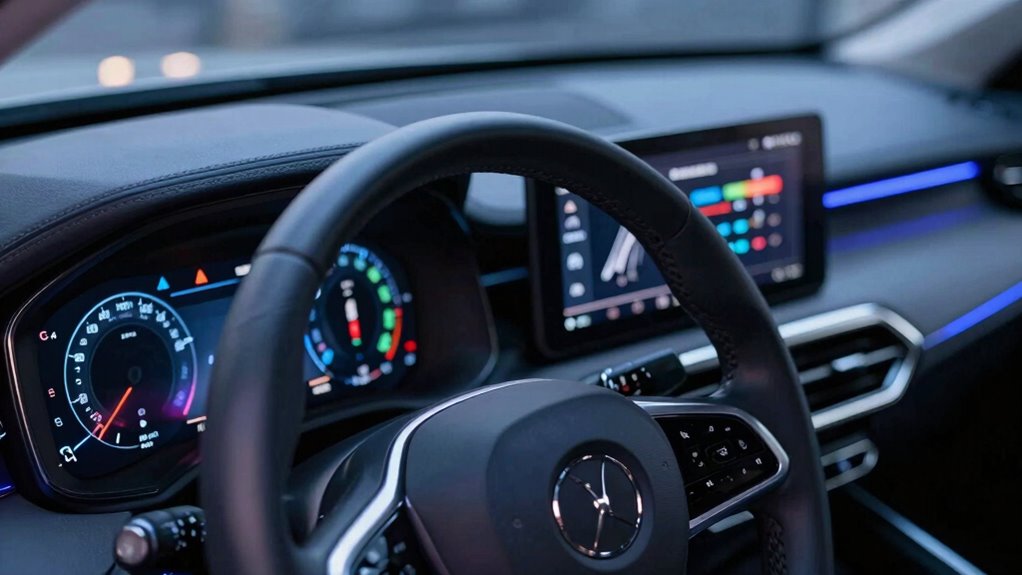
To catch problems early, regularly review your vehicle’s data through onboard diagnostics or connected apps. Pay attention to sensor alerts for issues like low tire pressure or engine overheating, and guarantee sensors are calibrated for accurate readings. Keeping up with routine maintenance and software updates also helps prevent false alarms. By proactively monitoring your car’s data, you can detect potential problems before they become costly, and there’s more you can do to stay ahead.

Get business pricing on garage and car supplies
- Business-only prices and quantity discounts
- Tax-exempt purchasing
- Multiple users, one account, clear invoices
Key Takeaways
- Regularly review vehicle diagnostic reports and alerts via onboard systems or connected apps.
- Monitor sensor readings for irregular patterns indicating potential issues early.
- Keep sensors calibrated and update vehicle software to ensure data accuracy.
- Follow scheduled maintenance prompts and address warnings promptly to prevent escalation.
- Use data insights to identify and fix problems like tire leaks or engine overheating early.
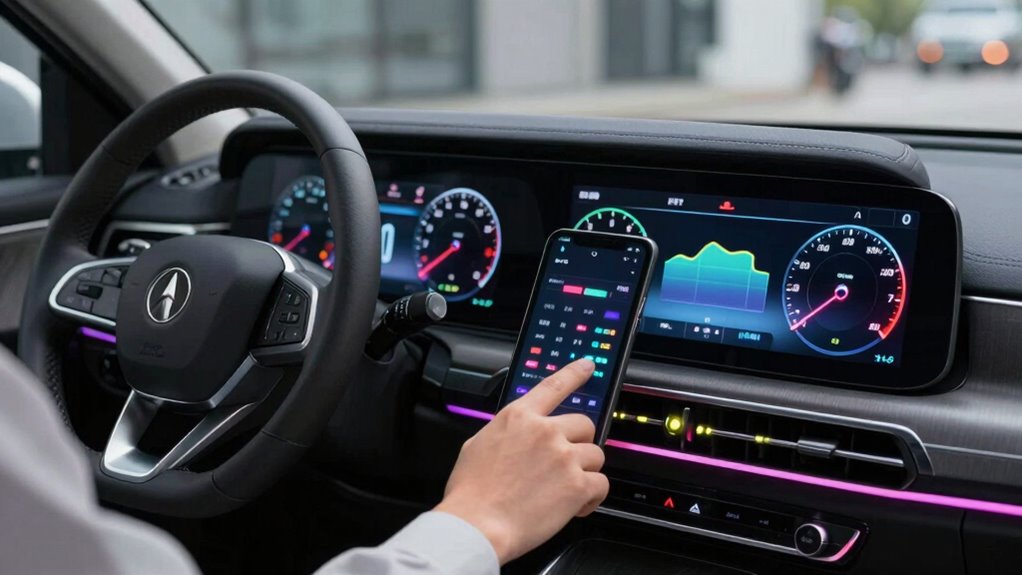
Car data has become an essential tool for preventing problems before they happen. By leveraging real-time information from your vehicle, you can stay ahead of potential issues and avoid costly repairs. One of the key aspects of utilizing this data effectively is understanding sensor accuracy. Modern cars are equipped with numerous sensors that monitor everything from engine temperature to tire pressure. If these sensors are inaccurate or malfunctioning, you might receive false alerts or, worse, miss critical warning signs altogether. Regularly checking sensor accuracy ensures that the data you rely on is trustworthy. This means paying attention to any irregular readings or warning lights on your dashboard and having them inspected during routine maintenance. When sensors are calibrated correctly and functioning properly, you gain a clear picture of your vehicle’s health, allowing you to identify small issues before they escalate.
Regularly check sensor accuracy to ensure trustworthy data and catch small issues before they turn into costly repairs.
Alongside sensor accuracy, maintaining a consistent schedule for maintenance is essential. Car data plays a fundamental role here, as many modern vehicles track and record maintenance needs automatically. By adhering to recommended maintenance schedules, you prevent problems from developing unnoticed. For example, regular oil changes, filter replacements, and fluid checks keep your engine running smoothly and reduce the likelihood of costly repairs down the line. Your vehicle’s onboard diagnostics can alert you when specific services are due, saving you from forgetting essential tasks. Staying proactive with maintenance also helps keep your car performing efficiently, which can improve fuel economy and extend the lifespan of your vehicle. Additionally, understanding the role of technology in vehicle monitoring can enhance your ability to respond to potential problems effectively.
Using car data to catch problems early doesn’t mean you need to be a mechanic. Instead, you should develop a habit of reviewing your vehicle’s data reports, either through your car’s built-in system or connected apps. Many cars now provide detailed insights and alerts that highlight potential issues before they become serious. For instance, if your tire pressure sensors indicate a leak, you can address it promptly rather than risking a blowout on the road. Similarly, if an engine sensor detects abnormal temperature readings, you can have it checked before it causes engine damage. Incorporating sensor calibration into your maintenance routine helps ensure that your vehicle’s monitoring systems remain accurate and reliable. Regularly updating your vehicle’s software can also prevent false alerts and improve overall system performance. Understanding the importance of sensor accuracy and combining it with disciplined maintenance schedules empowers you to take swift action, saving money and avoiding breakdowns. Additionally, understanding the role of technology in vehicle monitoring can enhance your ability to respond to potential problems effectively.
In essence, the key to using car data effectively lies in trusting the information your vehicle provides and acting promptly on it. Ensuring sensor accuracy and sticking to maintenance schedules create a safety net that catches problems early. With proactive monitoring, you can keep your car running smoothly and prevent expensive repairs, all while enjoying peace of mind on every trip.
As an affiliate, we earn on qualifying purchases.
Frequently Asked Questions
Can I Access Car Data Without Professional Diagnostic Tools?
Yes, you can access some car data without professional diagnostic tools. Many modern vehicles have onboard systems that allow you to check sensor calibration and retrieve basic trouble codes using smartphone apps or Bluetooth adapters. However, be aware of data privacy concerns, especially with third-party apps, as they can access sensitive information. While you won’t get as detailed insights, this approach helps spot early issues before they become costly.
How Often Should I Check My Vehicle’s Data for Issues?
Think of your car’s data like a heartbeat—regular checks keep it healthy. You should review your vehicle’s data monthly and follow maintenance schedules diligently. Incorporate DIY inspections between professional check-ups to catch early signs of trouble. Staying proactive helps prevent costly repairs, ensuring your car runs smoothly and safely. Regular monitoring acts as your vehicle’s well-being, catching issues early before they escalate into expensive problems.
Are There Specific Apps Recommended for Monitoring Car Health?
Yes, several diagnostic apps are recommended for monitoring your vehicle health. Apps like OBDLink, FIXD, and Car Scanner help you track vehicle maintenance and identify issues early. You simply connect a compatible OBD-II scanner to your car, then use these apps to interpret data, check engine lights, and monitor essential stats. Regularly using these diagnostic apps keeps you proactive about maintenance, preventing costly repairs and ensuring your car stays in top shape.
What Signs Indicate Immediate Attention Beyond Data Alerts?
Think of your car as a patient in an emergency room. Beyond dashboard alerts and sensor diagnostics, listen for strange sounds, unusual vibrations, or smells. If your engine stalls unexpectedly, warning lights flicker wildly, or brakes feel inconsistent, these signs demand immediate attention. Ignoring them risks serious damage. Trust your senses and the data—when the signals become urgent, it’s time to act fast and prevent costly repairs.
Can Car Data Predict Problems Before Symptoms Appear?
Yes, car data can predict problems before symptoms appear through predictive maintenance. By interpreting data like engine temperature, oil quality, and sensor alerts, you can spot early signs of wear or failure. This proactive approach allows you to schedule repairs before issues escalate, saving money and preventing breakdowns. Regular data interpretation helps you stay ahead of potential problems, ensuring your vehicle runs smoothly and reliably.
As an affiliate, we earn on qualifying purchases.
Conclusion
By leveraging your car’s data, you can catch issues early and avoid costly repairs. Some might think it’s complicated or requires tech expertise, but it’s actually simple—many apps and tools make monitoring your vehicle straightforward. Staying proactive saves you money and keeps your car running smoothly. So don’t wait until a problem strikes; embrace the power of your car’s data and take control today. It’s easier than you think, and your wallet will thank you.
As an affiliate, we earn on qualifying purchases.
As an affiliate, we earn on qualifying purchases.
Fall Picks
fall essentials
As an affiliate, we earn on qualifying purchases.