
Ignoring your check engine light can lead to serious damage, safety hazards, and higher costs. Small issues like a faulty sensor can escalate into engine damage, reduced fuel efficiency, and costly repairs. It also increases the risk of breakdowns and accidents. Plus, unresolved emissions problems can cause legal penalties or failed inspections. If you keep putting it off, the consequences get worse. Stay tuned—there’s more to learn about how to protect your vehicle and save money.
Key Takeaways
- Ignoring the check engine light can lead to severe engine damage and costly repairs over time.
- Unaddressed issues impair fuel efficiency, increasing operational costs and emissions.
- Neglecting the warning raises safety risks, including stalling and breakdowns during driving.
- Failing to fix emissions problems may cause legal penalties and failure in vehicle inspections.
- Small unresolved problems can escalate, shortening vehicle lifespan and reducing resale value.

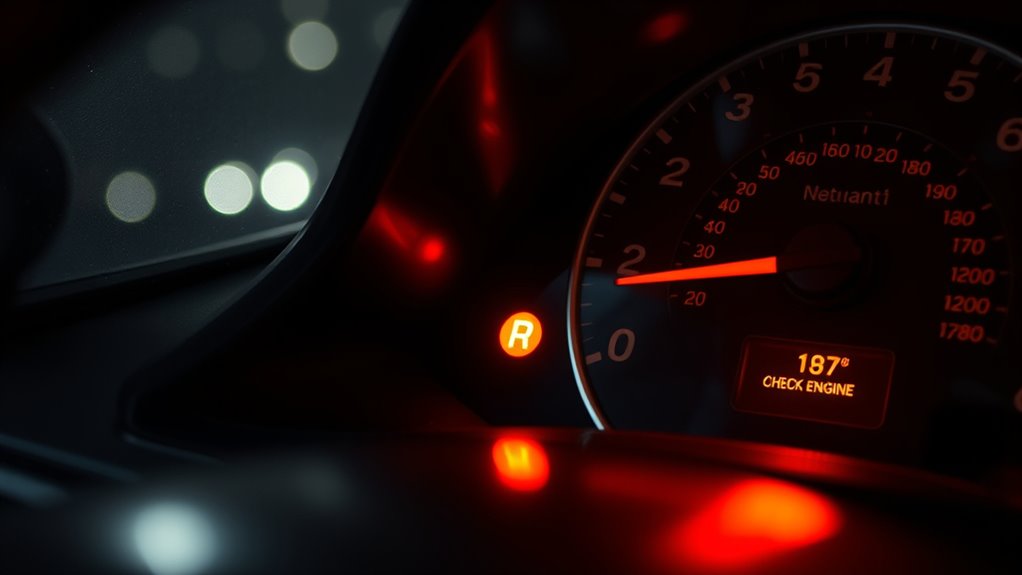
Ignoring the check engine light might seem like a minor inconvenience, but it can lead to serious consequences for your vehicle. When that light appears, it’s your car’s way of signaling an issue that needs attention. If you dismiss it, you risk damaging critical systems, especially your emissions system and engine performance. The emissions system is responsible for controlling pollutants released into the atmosphere, and when it malfunctions, it can lead to increased emissions, potential fines, and failure during emissions testing. Over time, unresolved issues in this system can cause your vehicle to run less efficiently and increase fuel consumption, costing you more money at the pump.
Your engine performance is closely linked to the check engine light. Ignoring it means you might be allowing minor problems to escalate into major repairs. For instance, a small misfire or a faulty sensor can initially seem insignificant, but if left unchecked, it can cause your engine to run rough, decrease power, and lead to further damage. This deterioration doesn’t just affect how well your vehicle drives; it also puts added stress on other parts, like the catalytic converter, which is costly to replace. Additionally, poor engine performance can cause your vehicle to stall unexpectedly, putting you at risk of accidents or breakdowns.
The longer you delay addressing the check engine light, the higher the chances of costly repairs. What starts as a simple fix—like replacing a sensor or tightening a loose gas cap—can snowball into extensive damage if ignored. For example, neglecting a problem with the emissions system can lead to the build-up of carbon deposits, which impair engine function and reduce lifespan. Similarly, ignoring engine performance issues can cause increased wear and tear on internal components, ultimately shortening your vehicle’s longevity.
In addition, ignoring the check engine light can also have legal implications. Many regions enforce strict emissions standards, and a vehicle with unresolved emissions system issues may fail mandatory inspections. This means you could face fines, be forced to repair your vehicle before driving it freely again, or even have your registration suspended. Regular maintenance and prompt diagnosis are essential to prevent such legal issues.
In essence, your best move is to take the check engine light seriously. Addressing the underlying issues promptly not only keeps your vehicle running smoothly but also saves you money, prevents legal trouble, and preserves your car’s longevity. Don’t wait for a breakdown or a costly repair—your vehicle’s health depends on your quick action. Recognizing the importance of vehicle diagnostics can make all the difference in avoiding unnecessary expenses.
Frequently Asked Questions
Can Ignoring the Check Engine Light Cause Safety Hazards?
Ignoring the check engine light can definitely create safety hazards. If the issue affects your brake system or airbag deployment, you risk brake failure or airbags not deploying during a crash. You might also experience reduced steering control or engine stalling, increasing accident risk. Addressing the warning promptly helps verify your brake system and safety features work correctly, protecting you and your passengers in critical moments.
How Quickly Can Ignoring the Warning Lead to Engine Failure?
When you ignore the warning, trouble can hit you like a ton of bricks, and engine failure can happen surprisingly fast—sometimes within days or weeks. The longer you delay, the more engine damage occurs, leading to costly repairs. Ignoring the check engine light might seem minor now, but it’s a gamble that could leave you stranded and facing hefty repair costs later. Don’t wait—address it before it’s too late.
Are There Hidden Costs Associated With Neglecting the Check Engine Light?
Ignoring the check engine light can lead to hidden costs like increased diagnostic expenses and repair delays. When you delay addressing the warning, small issues often worsen, requiring more extensive and expensive repairs later. You might also face higher diagnostic costs as mechanics spend extra time uncovering underlying problems. Staying proactive saves you money, prevents unexpected breakdowns, and keeps your vehicle running smoothly.
Can Ignoring the Light Affect My Vehicle’s Resale Value?
You might not realize it, but ignoring the check engine light can seriously affect your vehicle’s resale impact and accelerate vehicle depreciation. When buyers see an unresolved warning, they assume ongoing issues, lowering your car’s value. Plus, neglecting repairs could lead to bigger problems down the line, making your vehicle less attractive. Addressing the warning promptly assists in maintaining your car’s worth and ensures better resale prospects in the future.
Is It Safe to Drive With the Check Engine Light on Temporarily?
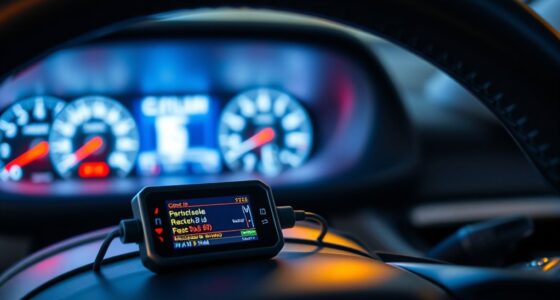
You can drive temporarily with the check engine light on, but it’s not always safe. Use diagnostic tools to identify the issue quickly, and don’t ignore warning signs like strange noises or poor performance. Keep in mind, delaying repairs can lead to higher repair costs later. If the light blinks or you notice trouble driving, it’s best to stop and get your vehicle checked to avoid bigger problems.
Conclusion
Ignoring that check engine light isn’t just a bad idea—it’s like inviting catastrophe into your driveway. You could end up stranded in the middle of nowhere, with your wallet hemorrhaging money faster than you can say “repair bill.” Small issues can snowball into catastrophic failures that leave your car completely useless. So, don’t gamble with your vehicle’s health—shut off that light now, or risk turning your daily drive into a costly, nightmare-filled disaster.